
When Is the Best Time to Sell a Rolex?
The best time to sell a Rolex is when the decision fits your life, because the pre-owned market moves gradually rather than in sudden windows. Sell your Rolex when demand for your reference is strong, a release announcement lifts its profile, or the watch no longer earns its place in your collection.
Key Takeaways:
- Pre-owned Rolex prices move gradually, so personal readiness matters more than chasing a perfect week or season.
- The average Rolex sale price at Bob's Watches climbed from $14,636 in the second half of 2025 to $15,741 in the first half of 2026, a 7.5% rise in six months.
- Discontinued references often climb after Rolex retires them; the Submariner ref. 116610 posted its strongest month of the trailing year in June 2026.
- Watches & Wonders each spring is the most predictable event on the resale calendar, and outgoing references draw fresh attention around it.
- Clear personal signals, an upgrade goal, an unworn watch, or a need for liquidity, justify selling in any market cycle.
Those takeaways come from real transaction data, not theory. The sections below cover recent price movement, new-release timing, model-specific patterns, and the personal signs that matter more than any chart.
The Short Answer

The best time to sell a Rolex is when demand for your specific reference is strong and the sale serves a clear personal goal, such as funding an upgrade, freeing up capital, or letting go of a watch you never wear. Because pre-owned Rolex values move gradually rather than in sharp seasonal swings, sellers gain more from choosing a transparent buyer at a fair market price than from waiting for a perfect moment that rarely announces itself.
Honest expectations help here. Quarterly price movement across most collections is measured in single digits, and even the strongest moves develop over months. Timing can add real money at the margins, especially around discontinuations, but the buyer you choose usually affects your final number more than the month you sell.
Carol Altieri, COO of Bob's Watches, puts it this way: “When you are looking to sell a Rolex, the old industry saying always applies: 'Buy the seller, then the watch.' But when you are the one selling, that dynamic flips, you need to find a trusted dealer who offers complete market transparency. Because Rolex watches hold their value so exceptionally well, the best time to sell isn't just about timing the holiday rush; it's about finding a buyer who will openly show you both the buy and sell sides of the market so you know you are getting true fair market value.”
Market Cycles & What Prices Have Done Recently
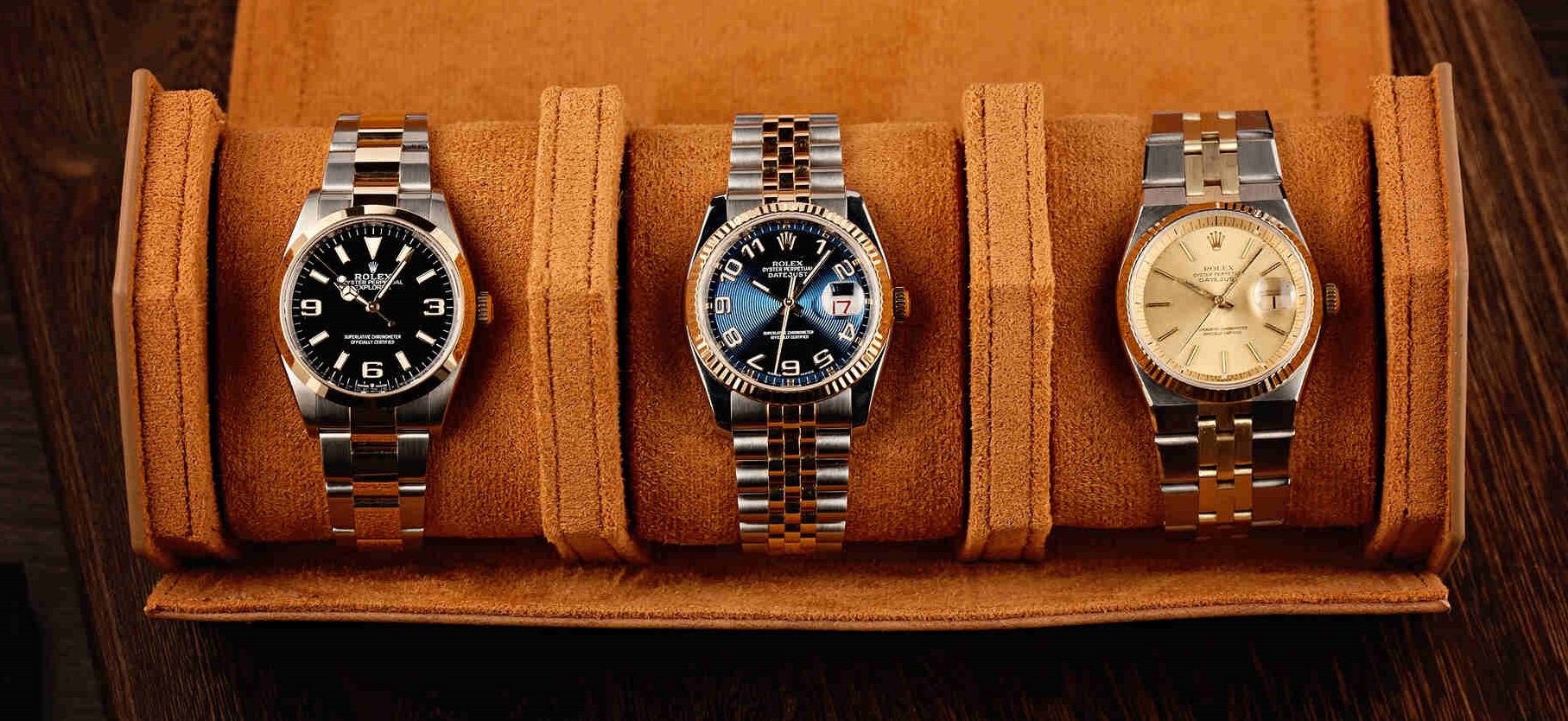
Pre-owned Rolex prices have climbed steadily through the first half of 2026 after the correction that followed the 2022 peak. Our Rolex Market Report, built on every completed sale at Bob's Watches since 2010, shows the full arc: the average Rolex sold for roughly $2,000 in 2010, surged to an all-time peak in March 2022, fell to a low of $11,785 by December 2022, then stabilized through 2024 and 2025 to reach $13,426 by mid-2025.
Current Market Snapshot: Twelve Months Through June 2026
Last updated: August 2026. Refreshed quarterly with each new Rolex Market Report.
Bob's Watches transaction data shows firmer pricing across many high-volume Rolex collections, though performance varies by reference, condition, and the mix of watches sold. Across twelve months of completed sales ending June 2026, the average Rolex sold at Bob's Watches for $15,199, and the direction inside that year matters most: the average climbed from $14,636 in the second half of 2025 to $15,741 in the first half of 2026. The table below shows three of the strongest movers from April to June 2026, drawn from completed sales rather than asking prices.
|
Collection |
April → June 2026 Avg Sale Price |
Change |
|
Day-Date 36 |
$23,172 → $28,261 |
+22.0% |
|
Datejust 36 |
$9,080 → $10,281 |
+13.2% |
|
GMT-Master II |
$19,358 → $21,711 |
+12.2% |
Source: Bob's Watches completed transactions. Monthly averages reflect the mix of references, materials, conditions, and configurations sold, and should not be treated as an appraisal of an individual watch.
The Milgauss also gained 10.9% over the same three months. Taken together, the data points to firmer conditions than sellers have seen since the 2022 peak, which makes 2026 a reasonable window for owners who already have a reason to sell.
Watches & Wonders and New-Release Timing

Watches & Wonders, the Geneva trade fair held each spring where Rolex announces its yearly catalog changes, is the most predictable event on the resale calendar. New releases, dial changes, and discontinuations all land in a single week, and attention on outgoing references spikes immediately. When Rolex retires a reference, the pre-owned market becomes the only place to buy it, and values often firm up in the months and years that follow rather than in a one-week pop.
The Milgauss shows how that plays out over time. Rolex introduced the Milgauss in 1956 as an antimagnetic watch engineered to resist magnetic fields of 1,000 gauss, and the company discontinued the collection in 2023. Three years later, Milgauss average sale prices at Bob's Watches rose another 10.9% from April to June 2026, from $12,018 to $13,332, as collectors continued repricing a closed production run. For owners of outgoing references, the practical takeaway is that a discontinuation opens a selling window; it does not close one overnight.
Model-Specific Timing
Model type shapes selling timing more than the season does. Steel sports watches, dress watches, and discontinued references each follow their own demand pattern, and knowing which pattern applies to your watch tells you whether waiting is likely to help.
Sports vs. Dress References

Rolex sports models are the market's most liquid category and sell strongly year-round. The Submariner, the brand's flagship dive watch, was the most purchased collection at Bob's Watches over the twelve months ending June 2026, and the GMT-Master II ref. 126710 ranked among the most purchased references of that year at an average sale price of $22,579, because authorized dealer waitlists push buyers to the pre-owned market. The current Submariner ref. 126610 runs the caliber 3235, whose Chronergy escapement extends the power reserve to 70 hours, and that movement upgrade is what separates the modern generation from the references that came before it.

Dress references reward more patience but carried the price momentum this year. The Day-Date 36 posted the largest April-to-June gain among high-volume collections in 2026, averaging $23,541 over the trailing year, and two-tone classics like the Datejust 36, at an $8,995 trailing-year average, keep drawing first-time buyers. If you own a solid gold or two-tone dress piece, current demand is unusually strong by recent standards.
The Discontinued-Model Bump
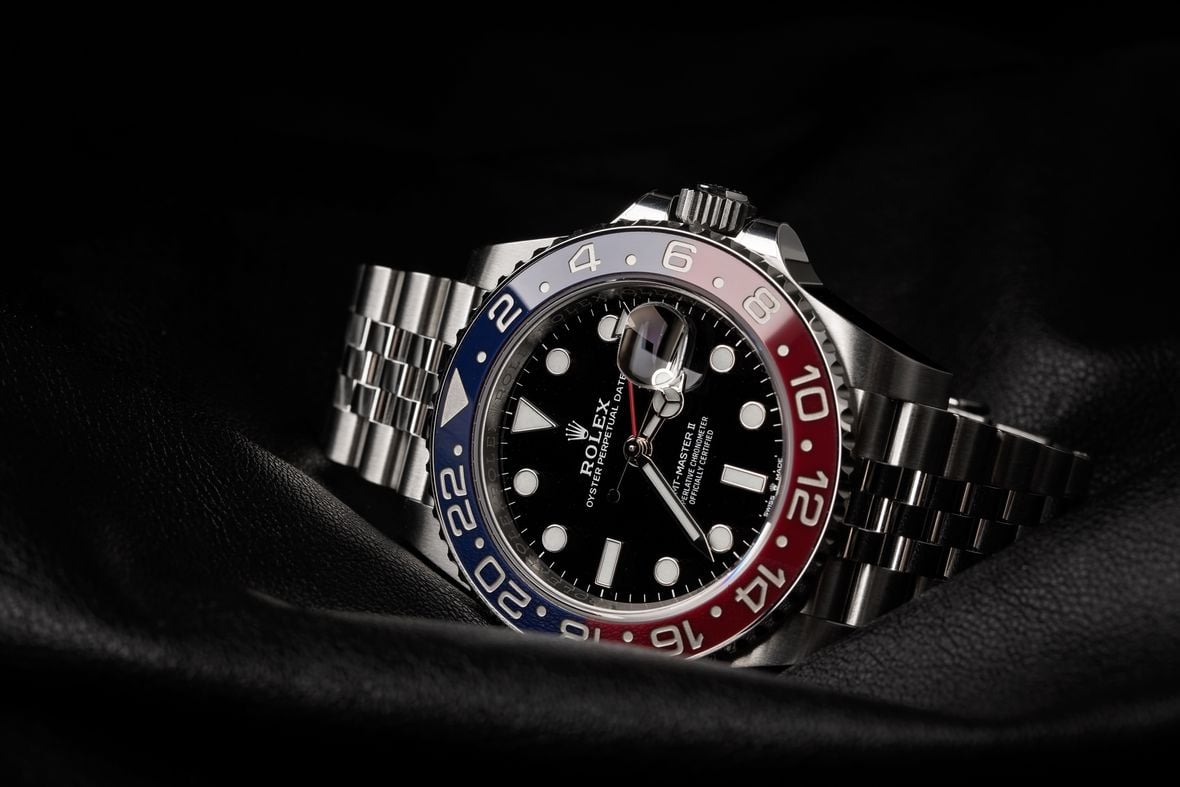
Discontinued Rolex watches are the clearest model-specific timing opportunity. The Submariner ref. 116610, the last 40mm ceramic Submariner, produced from 2010 to 2020, averaged $16,919 across the twelve months ending June 2026, its half-year average rose 9.0% from late 2025 into the first half of 2026, and June 2026 was its strongest month of the entire year at a $19,704 average. The Q2 2026 Rolex Market Report tracks these discontinued references quarter by quarter, and the pattern is consistent: closed production runs concentrate collector demand. Discontinuation increases collector attention, but it does not guarantee a higher value; demand, production volume, configuration, condition, and the appeal of the replacement model all shape the outcome. If you own a recently discontinued reference in strong original condition, a current valuation is the fastest way to learn whether yours is one of the references benefiting.
Signs It's the Right Time for You
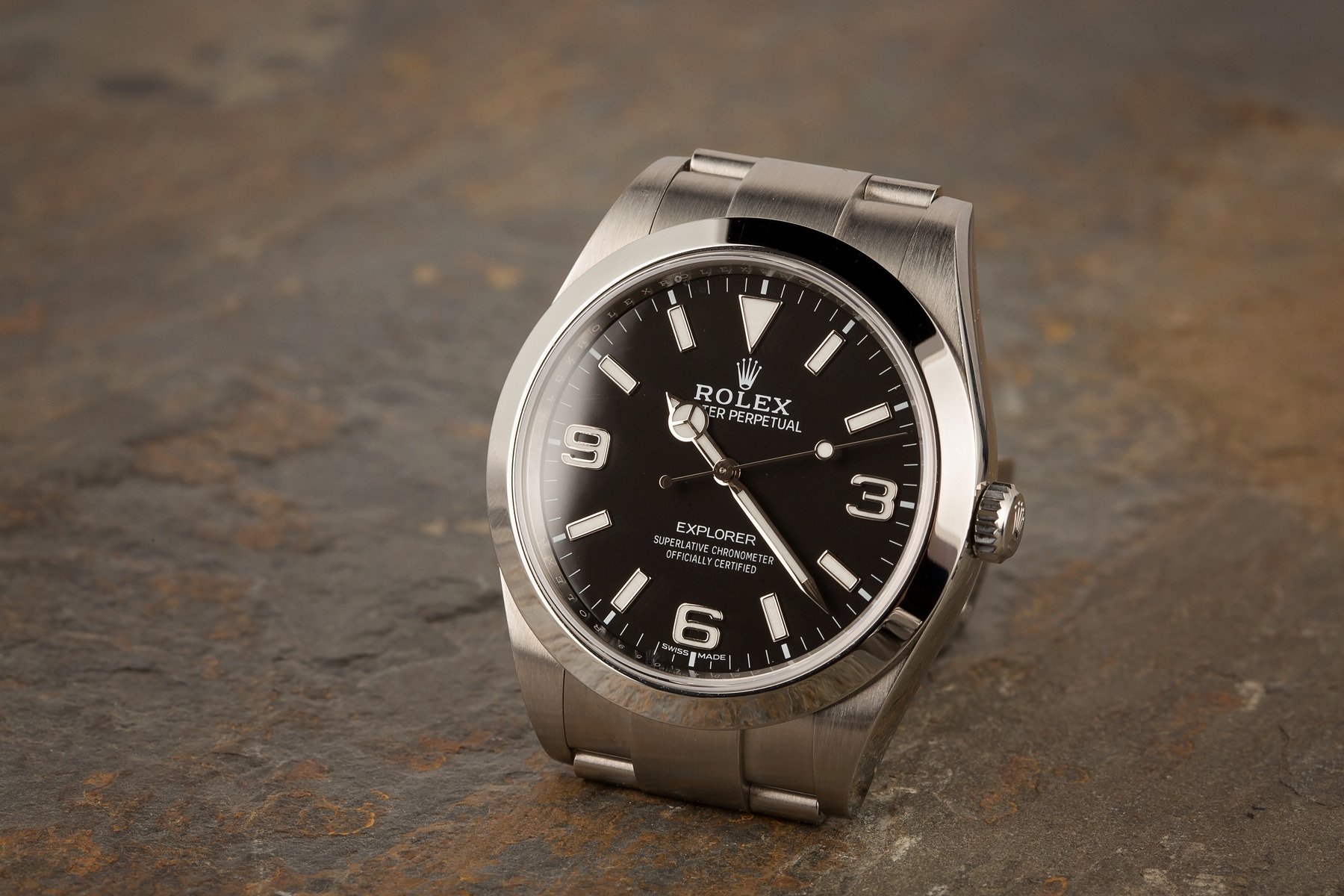
Personal circumstances decide the right time to sell more often than market charts do. The market data above tells you conditions are favorable; the signals below tell you whether selling actually serves you.
- An upgrade goal: selling a watch that has lost its spark can fund a reference you genuinely want, and a focused collection beats a full drawer.
- Zero wrist time: a watch unworn for twelve months is idle equity that earns nothing in a safe.
- A liquidity need: a down payment, a business opportunity, or high-interest debt is often a better use of the capital than storage.
- A looming service bill: Rolex recommends service roughly every 10 years, and paying to maintain a watch you no longer enjoy rarely makes sense.
- Changed taste: case sizes and styles that fit one chapter of life often stop fitting the next.
If two or more of those signals apply, the next step is preparation, not hesitation. Our step-by-step guide to selling a Rolex covers identifying your reference number, assembling the box and papers, and why you should never polish the case before a sale.
Whenever you decide the time is right, transparency is what protects your number. Bob's Watches publishes both buy and sell prices for the references it trades, which lets you see exactly where an offer sits against the current market before you commit. Combined with a favorable 2026 price environment, that visibility means you can sell on your own schedule and still know you received true fair market value.