
Do Tudor Watches Hold Value? What Our Sales Data Shows
Tudor watches tend to hold their value within their price range, although most of them do not increase in value. Sports models made from steel, such as the Black Bay 58 and the Pelagos, retain a large portion of their original retail price on the second-hand market, and at Bob's Watches sales of the Black Bay 58 were between $3,100 and $3,600 as of September 2026. A small number of the vintage watches have seen their value go up, but nothing in the catalogue guarantees that this will happen.
Key takeaways
- Tudor watches tend to maintain their value over time, which can give buyers confidence in their resale potential, though they rarely appreciate significantly.
- In our completed sales, the Black Bay 58, Black Bay GMT, and both Pelagos sizes recover the most of their retail price; the Royal and 1926 recover the least.
- The Black Bay 54 has traded above most of its siblings on the pre-owned market, with a wide range that reflects how new it still is.
- Buying on the steel bracelet greatly affects most of the value because strap-only Black Bay 58 and GMT models sold for roughly 15% to 20% less, helping buyers maximize their investment.
- Rolex appreciates in value because you can't walk in and buy one. You can walk in and buy a Tudor, and that is the whole difference.
- No reference, condition, or configuration guarantees a profit.
If you're deciding between a Tudor and something else, or between two Tudors, the next few sections walk through what we see across the sales counter, with numbers. If you already know you want one, our selection of pre-owned Tudor watches is where the data in this article comes from.
Do Tudor Watches Hold Value? The Short Answer
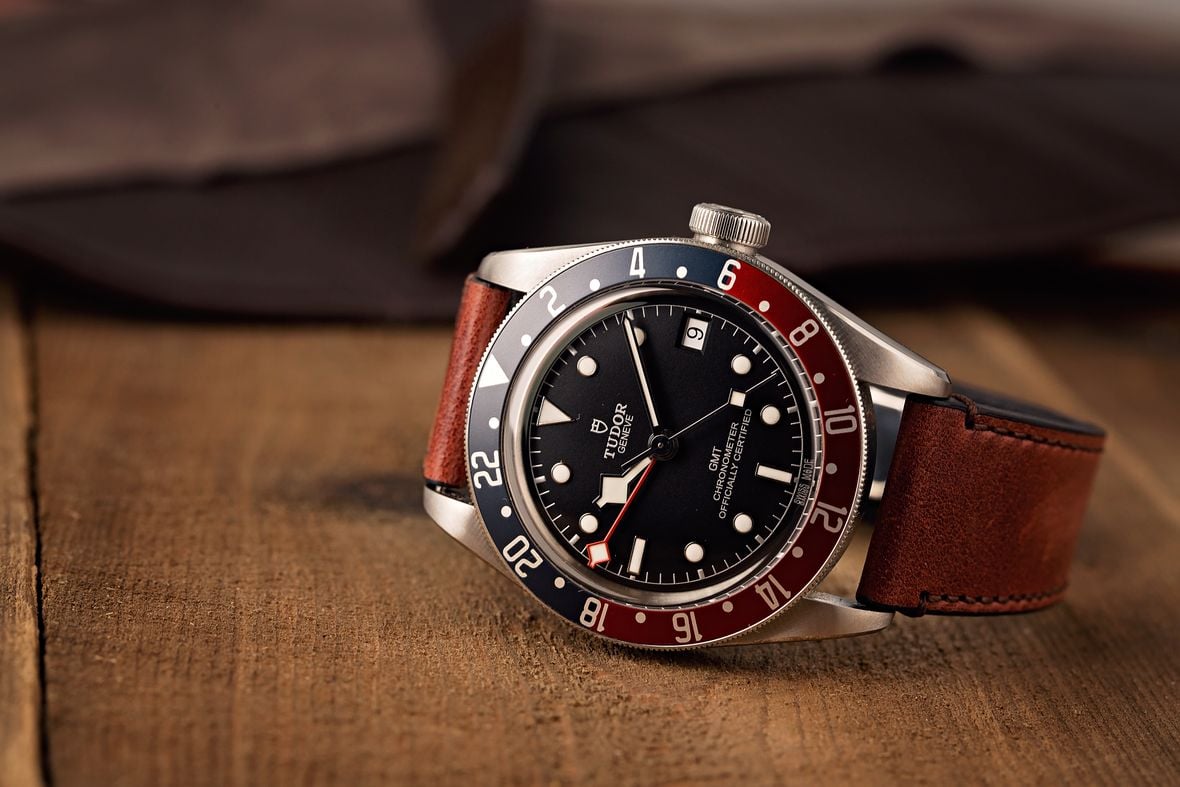
Yes, provided that a definition is given. In forum discussions, the terms "holds value" and "goes up in value" are used interchangeably, even though they represent different things. A watch is said to hold value if you can sell it later for a large portion of what you originally paid. A watch appreciates when you receive more money for it than you paid. Tudor reliably achieves the first of these criteria with its steel sports models; it almost never achieves the second, and in the cases where it does, the watch is generally older than the person who owns it.
The mechanism is simple. A Tudor bought at an authorized dealer carries full current retail. The moment it becomes pre-owned, it competes with every other example on the secondary market, and the secondary market doesn't care about the box being sealed. The spread between those two prices is your cost of ownership. On a Black Bay 58 or a Pelagos, that spread is narrow because demand is steady and the watches are built to take a beating. On a dress piece like the 1926 or an integrated bracelet Royal, the spread is wider because fewer people are hunting for one secondhand.
I've been buying and selling watches for a long time, and the Tudor pattern is one of the most consistent I see. The steel divers come in; they go out. The dress watches sit a little longer and sell for a little less. That consistency matters because it lets you predict your exit before you buy.
Are Tudor Watches Good? What Buyers Ask Us First

As I mentioned in our Tudor buying guide, the brand is a well-made watch from the company that also owns Rolex, and the people who ask us this question usually already suspect that. What they want is permission to stop worrying about it. Simply put: the cases are properly finished, the bracelets have improved with each generation, and the in-house MT-series movements, which first appeared in 2015, are chronometer-certified and, on the latest Black Bay models, have also been certified as Master Chronometers by METAS. The same testing standard used on far more expensive Swiss watches.
The Rolex relationship is simple and worth stating once. Hans Wilsdorf founded Tudor in 1926 to sell a watch with Rolex reliability at a lower price. The two brands share ownership through the Hans Wilsdorf Foundation. They do not share movements today, and they haven't for years. A Tudor isn't a Rolex with a different dial, and it isn't trying to be.
My answer to "is it good" is what the market says. The Black Bay family accounts for most of the Tudor watches we sell, the Pelagos comes next, and both move at prices close to retail. People who didn't think the watch was good wouldn't keep paying for that.
Which Tudor Watches Hold Value Best
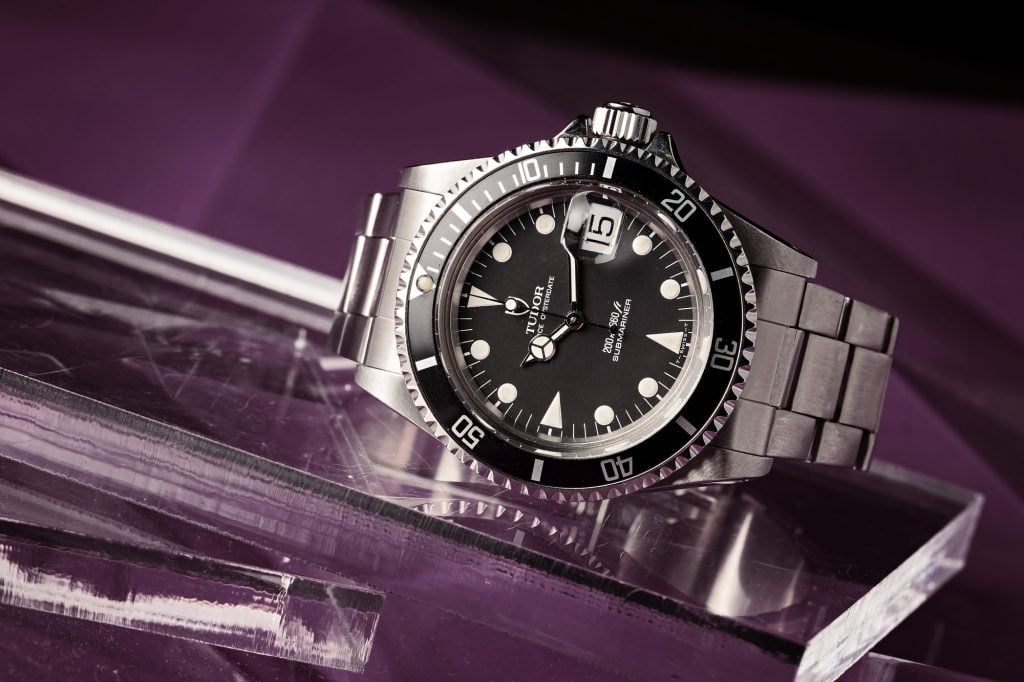
The newer, more recent models and those designed for everyday use are more valuable than standard steel divers. Although the highly publicized Black Bay 54 takes the lead in the whole range by fetching up to 117.3% of its MSRP, traditional steel divers such as the Black Bay 58 and the GMT are outperformed by Tudor's everyday sport and dress collections. It is surprising that versatile models such as the Royal 41 with an integrated bracelet and the Ranger, suitable for field use, regularly maintain a higher percentage of their retail value on the second-hand market.
The following figures show the prices at Bob's Watches for the items that are referred to in the current catalog, compared with Tudor's official US retail prices. The prices in the pre-owned section reflect the middle half of finished-market sales and deliberately exclude extreme statistical outliers in both directions to provide the most accurate real-world baseline.
The Tudor steel divers hold value the best. Below is what the current catalog's main references have actually sold for at Bob's Watches, next to Tudor's current US retail price. The pre-owned column covers the middle half of our completed sales, so it excludes the outliers in both directions.
|
Reference |
Current retail |
Pre-owned range at Bob's |
|
Black Bay 58, ref. 79030 |
$4,700 |
$3,100 to $3,600 |
|
Black Bay GMT, ref. 79830 |
$4,925 |
$3,200 to $3,800 |
|
Black Bay 54, ref. 79000 |
$4,475 |
$3,750 to $5,250 |
|
Pelagos 39, ref. 25407 |
$5,625 |
$4,000 to $4,450 |
|
Pelagos 42, ref. 25600 |
$6,025 |
$3,900 to $4,400 |
|
Ranger, ref. 79950 |
$4,025 |
$3,000 to $3,400 |
|
Royal 41, ref. 28600 |
$3,175 |
$2,400 to $2,800 |
|
1926 41mm, ref. 91650 |
$2,650 |
$1,900 to $2,200 |
Pre-owned ranges reflect completed Bob's Watches transactions from January 2025 to September 2026, not current asking prices; the current retail price is Tudor's published US price as of the date this article was published. All the figures are in USD.
The second point I should consider is the proportion of the market that each family accounts for, since a watch which has 90% of the retail value but takes a long time to sell is a different case from one that has 85% and sells within a week.
|
Model family |
Relative demand at Bob's |
|
Black Bay (all sizes and complications) |
The majority of the Tudor watches we sell |
|
Pelagos (39, 42, LHD, FXD) |
A strong second; roughly one in six Tudor sales |
|
Royal, 1926, Ranger, Black Bay Pro, and the rest |
A small share each |
Black Bay 58
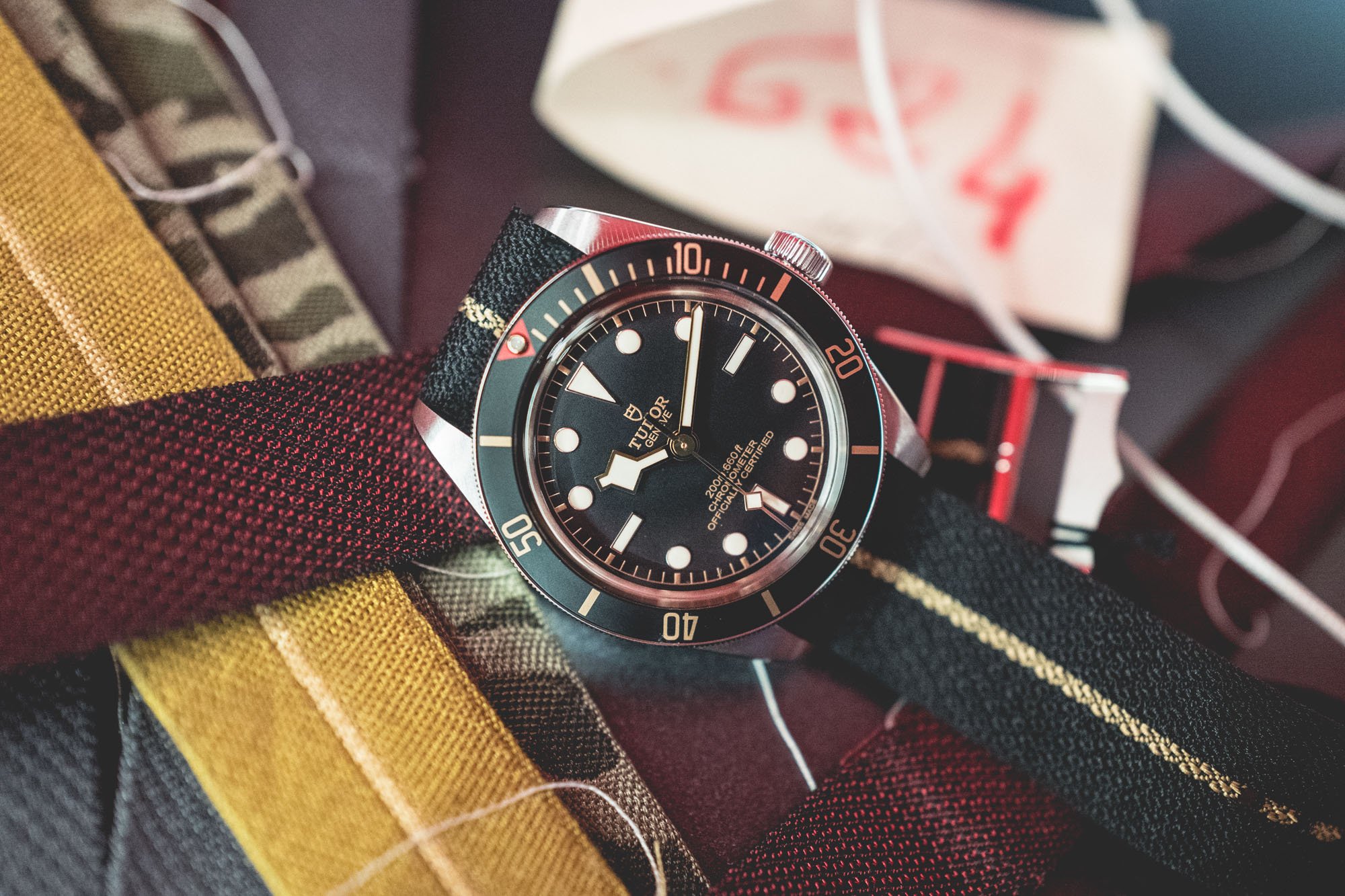
The watch people refer to when they ask if Tudor has value is the 79030. The total amount paid for it at Bob's over the past 21 months, through September 2026, ranged from $3,100 to $3,600, and the quarterly median rose from around $3,000 in early 2025 to about $3,900 by the third quarter of 2026. The watch isn't depreciating; rather, the pre-owned market is moving in the same direction as the retail price. Demand remains steady for both the black 79030N and the blue 79030B, and the 39mm case has fared better than almost any other watch Tudor produced in the 2010s. The aspect we look at most closely when it's on the bench is: if you'd like the full version, our Black Bay 58 guide has information on the various references and the differences between them.
Black Bay GMT
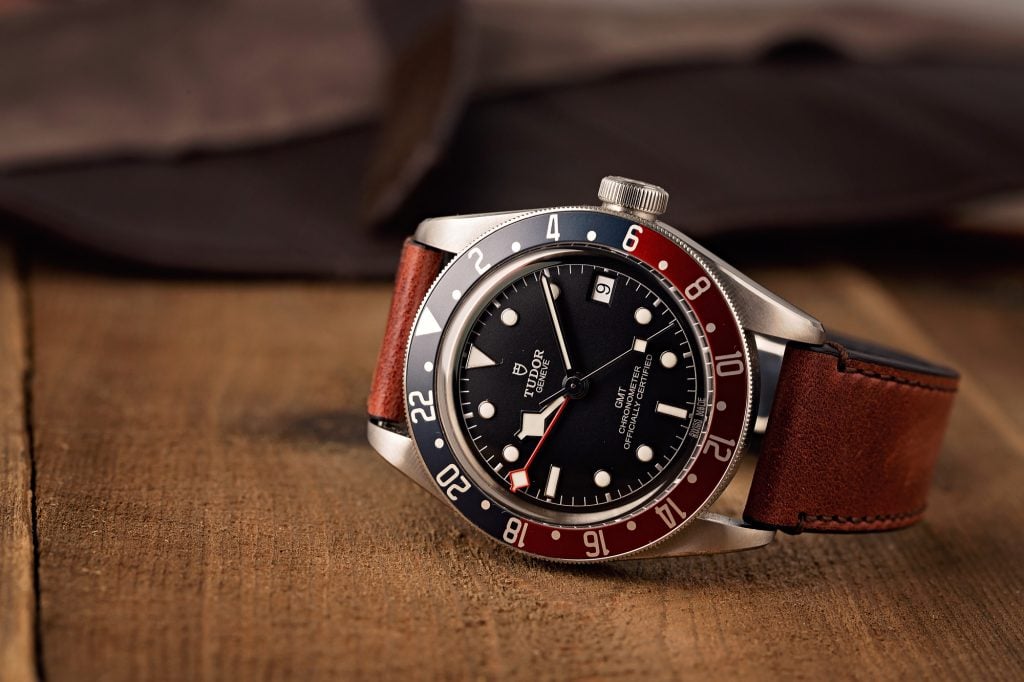
The Pepsi, reference 79830RB, is our most liquid of the complicated Tudor models. Sales figures reached between $3,200 and $3,800 by September 2026, with the quarterly median rising from approximately $3,100 in early 2025 to about $3,700 by mid-2026. Early examples had a reputation for date-change problems, which is why a service record matters more with this reference than with a time-only Black Bay. The steel and gold version, reference 79833, is trading at a higher price, ranging from $3,600 to $5,000 according to our data, but in a less substantial market.
Pelagos and Pelagos 39
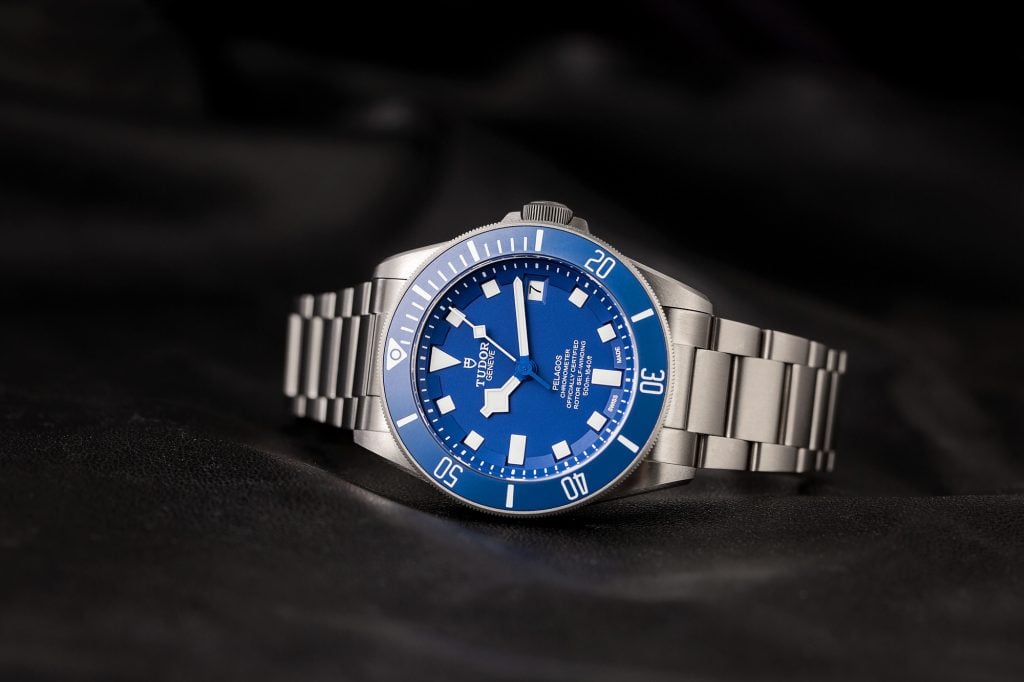
Titanium, a lot of water resistance, and a buyer who knows exactly what he wants. Both the 42mm ref. 25600 and the 39mm ref. 25407 sold in a tight range at Bob's, $3,900 to $4,400 for the 42 and $4,000 to $4,450 for the Pelagos 39, as of September 2026. The left-handed 25610 and the FXD references sit in the same neighborhood, with the fabric-strap FXD ref. 25707 a step below at $3,200 to $3,500 because there is no bracelet to price in. Our Tudor Pelagos guide explains which is which.
Ranger and Royal
That is the point at which the brand's value story becomes less compelling. As of September 2026, the current Ranger, reference 79950, had a selling price ranging from $3,000 to $3,400, a reasonable figure for a limited-time field watch but a greater drop from retail price than the divers take. The Royal 41, reference 28600, sold for between $2,400 and $2.800 during that period too. It's a good watch to buy for the price. If you're selling one that you bought at retail, it's the Tudor most likely to let you down. The 1926 is even lower, at $1,900 to $2,200, and I would regard it as a watch you buy to wear, not to resell.
Why Tudor Does Not Appreciate Like Rolex
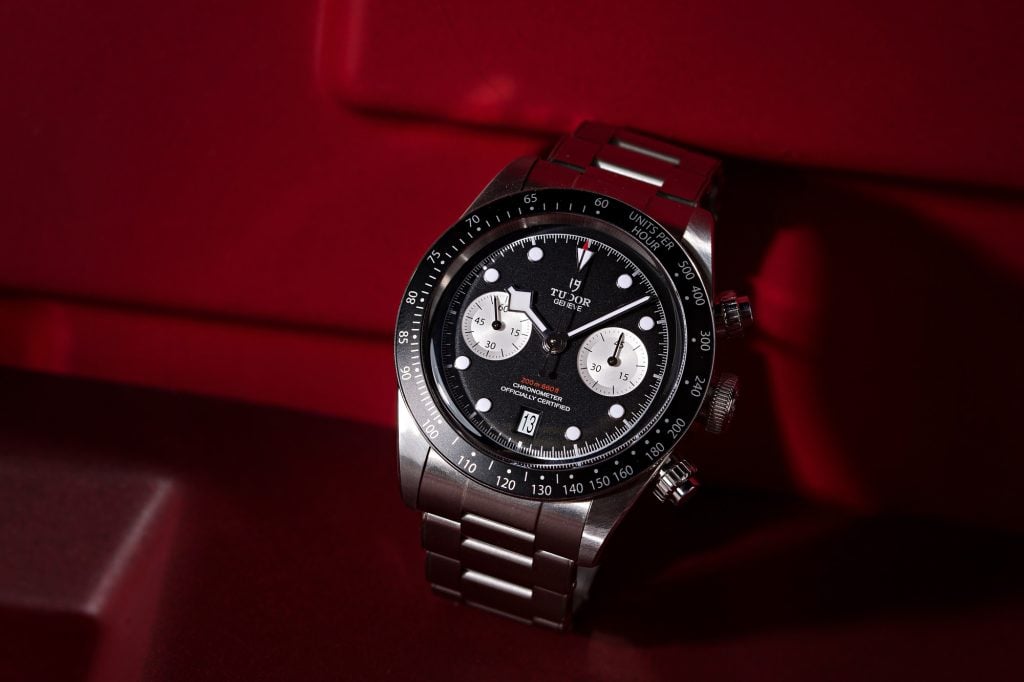
Supply. That's the answer, and everything else is commentary. A steel Rolex sports watch appreciates on the secondary market because an authorized dealer will not sell you one today, and sometimes not this year. A Tudor Black Bay is in the case, and the salesperson is happy to see you. When the retail channel can meet demand, the pre-owned price has nowhere to go but a notch below retail.
I'll put numbers on it from our own counter. The current-generation Rolex Submariner, ref. 126610, had a pre-owned median of about $15,700 in our completed sales through September 2026. The Black Bay 58 median over the same period was about $3,300. Put each next to its current retail price, and you'll see the Rolex trading at or above what the dealer charges while the Tudor trades below it. Same parent company. Opposite supply policy.
None of this makes Tudor the worst buy. It makes it the more honest one. You pay retail, you get the watch, and you know within a few hundred dollars what it's worth when you're done with it. Plenty of my customers find that preferable to the Rolex waitlist, and I don't blame them.
Do Any Tudor Watches Go Up in Value?
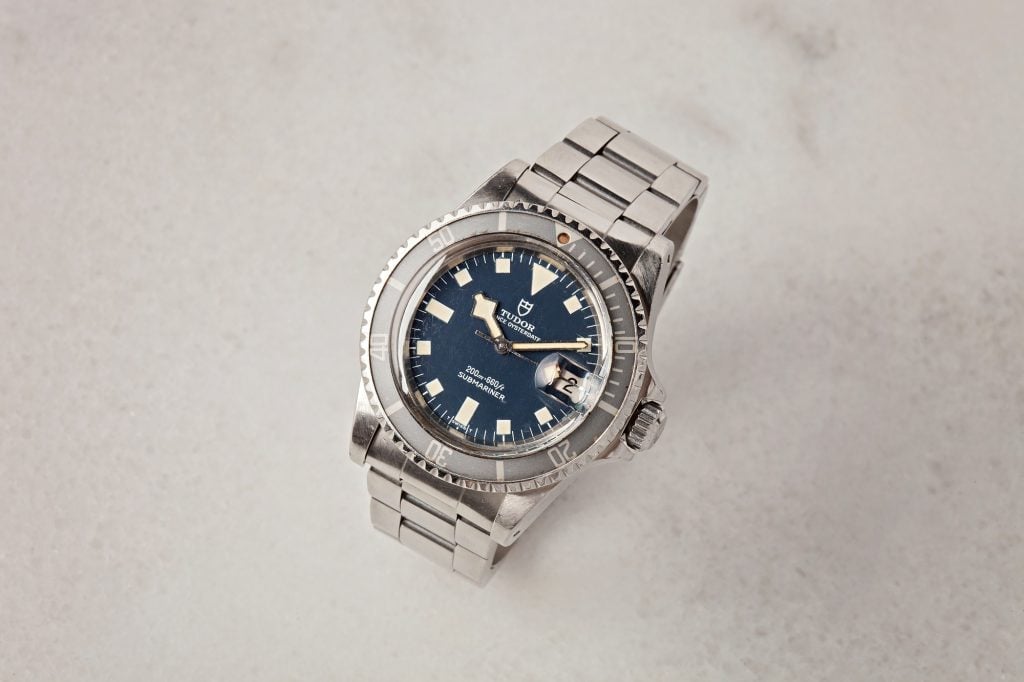
A few do, and these are characterized by being old, rare, and associated with a particular story. The modern catalog doesn't fit this description. The items mentioned include vintage Submariners, military-issued models, and a small number of 1970s chronographs.
Our own completed sales tell the story better than a theory would. Over the past 21 months at Bob's Watches, as of September 2026, a vintage Tudor Submariner ref. 7928 was sold for as much as $17,000, while other examples of the 7928 model fetched prices between about $8,700 and $12,995. The "Snowflake" Submariner ref. 94110, the model with square-tipped hands which became well known among the French Navy, achieved sale prices in the range of $12,500 to $14,000. A Big Block chronograph ref. 94300 fetched $12,995. To put this into context, the most expensive currently produced Tudor in our table above was worth less than $6,000. These are watches that cost only a few hundred dollars when they were first sold by the dealer. That is what appreciation means, and it has taken 50 years.
Brandon, our Director of Vintage, handles most of these when they come in.
"Vintage Tudor watches in general are a great value, especially compared to their Rolex counterparts. The Submariners typically bring the strongest money as they are the most sought-after and most iconic. Vintage Rangers are also in demand due to the Explorer 1016-like aesthetic and rarity. Condition and originality are the biggest factors in determining value, and collectors will pay up for top quality."
The one modern exception people ask about is the ETA-era Black Bay, ref. 79220, the 2012 to 2015 watches with the outsourced ETA 2824 movement before Tudor moved to in-house calibers. Forum lore says the early "Smiley" dial examples hold value unusually well because the cases are slimmer. Our data is more measured. The 79220 sold between $3,000 and $3,450 at Bob's as of September 2026, a touch below the in-house 79230 that replaced it, which sold between $3,000 and $3,750. The ETA watches hold value fine. They don't command a premium with us, and I wouldn't buy one expecting it to.
Auction results back up the vintage picture, and a few references not in our recent sales, like the 7922 and 7924, have done well there. Measured language applies here more than anywhere. Certain references have appreciated. Nothing says the next one will.
What You Control: Bracelet, Papers, and Condition
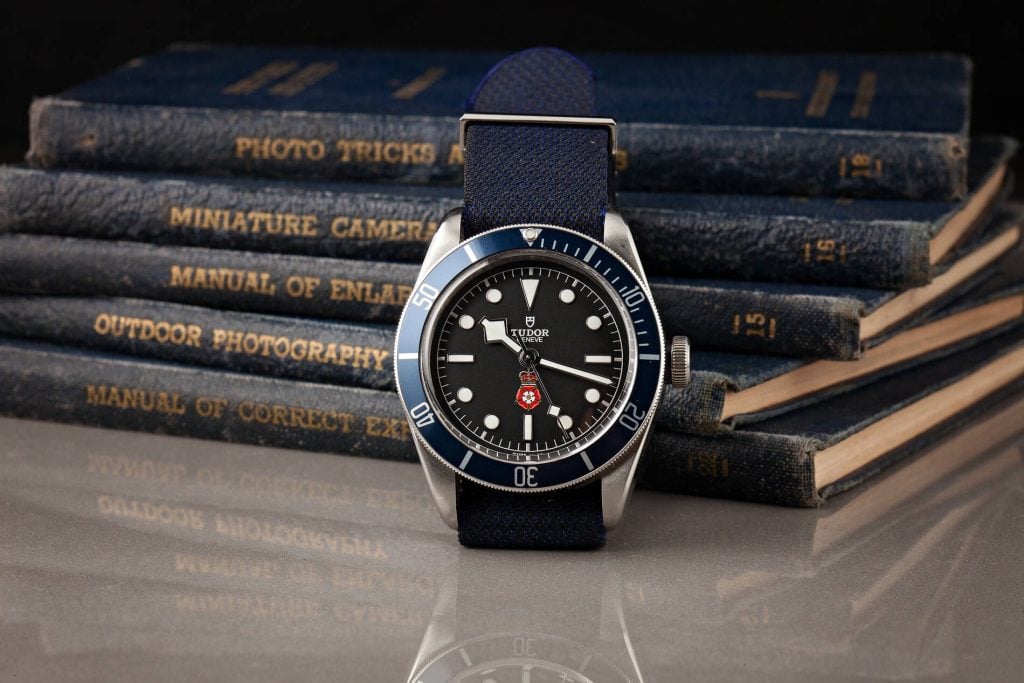
The reference decides most of your resale number. Three decisions you make decide the rest, and two of them happen on the day you buy.
- Buy it on the steel bracelet. Strap-only Black Bay 58 and Black Bay GMT examples sold for roughly 15% to 20% less than bracelet examples in our completed sales as of September 2026, a gap of several hundred dollars on a watch in this price range. The rubber or fabric strap Tudor ships as a second option is nice to have. It is not a substitute. A buyer who later wants the bracelet discovers that sourcing a genuine Tudor bracelet with the right end links costs more than the discount they got, if they can find one at all.
- Keep the box, the papers, and the hang tags. A full set assures the next buyer that the watch has a clean history, and it confirms for us when we make an offer. The warranty card with the dealer stamp matters most, because it dates the watch and ties it to a legitimate first sale.
- Don't polish it, and don't let anyone else. Tudor cases carry crisp brushing and sharp bevels from the factory, and every polish rounds them a little. We would rather see honest scratches than a mirror-finish case with soft edges.
None of these turns a Tudor into a profitable trade. They keep you at the top of the range in the table above instead of the bottom, and on a $3,500 watch that's a considerable difference.
Why Are Tudor Watches So Expensive Now?
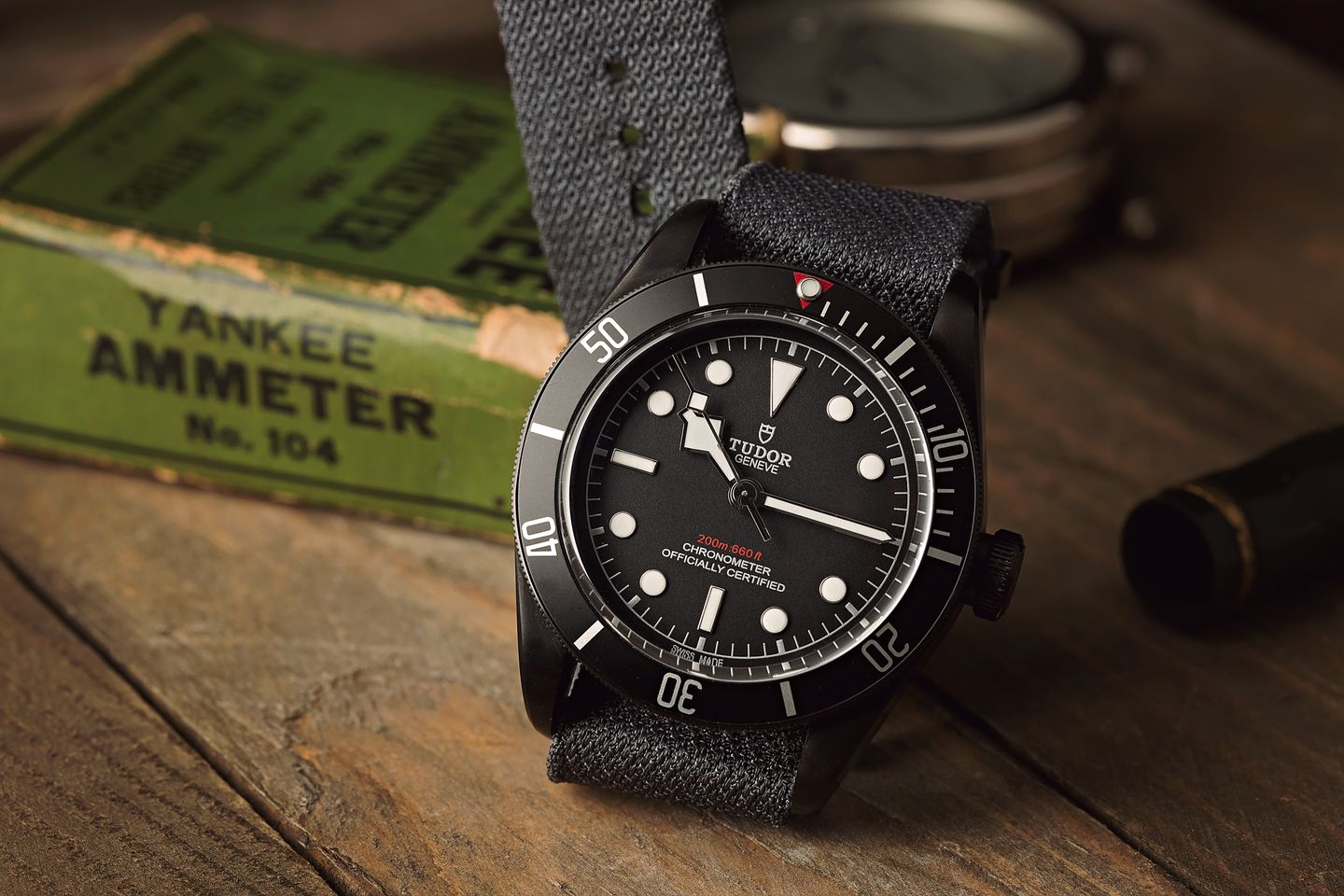
Tudor has raised its prices several times, and the market mostly followed. The Black Bay 58 launched in 2018 at a retail price that appeared like a bargain. The same reference costs considerably more at an authorized dealer today. Add gold and ceramic models at the top of the range, plus Master Chronometer certification on the newer references, and the brand that used to be the affordable door into the Rolex family now overlaps with entry-level Omega and, on some references, with pre-owned Rolex.
Here's what I find more interesting than the retail increases: the pre-owned market followed them. A Black Bay 58 that sold at Bob's for about $3,000 in the first quarter of 2025 was selling for about $3,900 by the third quarter of 2026. The GMT moved from around $3,100 to around $3,700 in the same window. Those are medians from completed transactions, not asking prices. If the market thought Tudor had overpriced itself, pre-owned prices would have stalled while retail climbed and the gap would have widened. The gap didn't widen. Buyers kept paying more secondhand because the watch is worth more to them than it was two years ago.
Is Tudor still a value brand? For the steel sports models, yes, with the caveat that the value now comes from retention rather than a low sticker price. If you're cross-shopping a Tudor against a Tag Heuer or an Omega on pure dollars, look at what each one sells for pre-owned a few years out, not what it costs today. That's the number you'll live with. And if the current retail price of a Black Bay 58 gives you pause, the pre-owned range in our table is the same watch for several hundred dollars less, with the first owner having absorbed the gap for you.
How to Sell a Tudor and What to Expect
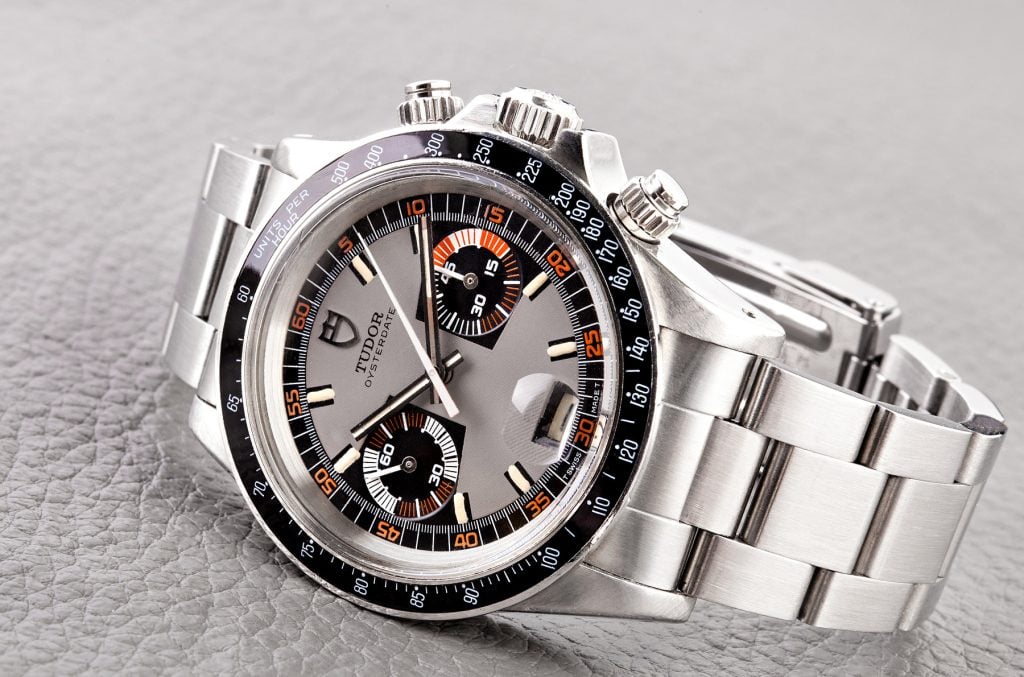
Because Tudor raised its prices several times, and the market mostly went along with it. The Black Bay 58 launched in 2018 at a retail price that felt like a bargain. The same reference costs considerably more at an authorized dealer today. Add gold and ceramic models at the top of the range, plus Master Chronometer certification on the newer references, and the brand that used to be the affordable door into the Rolex family now overlaps with entry-level Omega and, on some references, with pre-owned Rolex.
Here's what I find more interesting than the retail increases: the pre-owned market followed them. A Black Bay 58 that sold at Bob's for about $3,000 in the first quarter of 2025 was selling for about $3,900 by the third quarter of 2026. The GMT moved from around $3,100 to around $3,700 in the same window. Those are medians from completed transactions, not asking prices. If the market thought Tudor had overpriced itself, pre-owned prices would have stalled while retail climbed and the gap would have widened. The gap didn't widen. Buyers kept paying more secondhand because the watch is worth more to them than it was two years ago.
Is Tudor still a value brand? For the steel sports models, yes, with the caveat that the value now comes from retention rather than from a low sticker. If you're cross-shopping a Tudor against a Tag Heuer or an Omega on pure dollars, look at what each one sells for pre-owned a few years out, not what it costs today. That's the number you'll live with. And if the current retail price of a Black Bay 58 gives you pause, the pre-owned range in our table is the same watch for several hundred dollars less, with the first owner having absorbed the gap for you.
How to Sell a Tudor and What to Expect

Selling a Tudor is easy, and the steel divers are among the easiest watches we buy. This is how it goes with us, and what to have ready.
- Tell us the reference and the configuration. Reference number, dial color, bracelet or strap, and whether you have the box and papers. That's enough for an initial quote. A photo of the warranty card helps.
- Be honest about condition. Scratches are fine; we expect them. A polished case, a replaced bezel insert, or a non-Tudor bracelet changes the offer, and finding out at the bench rather than up front wastes everyone's time.
- Ship it or bring it in. We're in Newport Beach, and we pay for insured shipping if you're not local.
- Our watchmaker inspects it, and we confirm the number. On a Black Bay 58 or Pelagos in good shape with a full set, the confirmed offer rarely moves far from the quote. On a vintage piece, Brandon's team takes a closer look at originality before we settle on a figure.
- You get paid.
What to expect on price: somewhere inside the pre-owned range for your reference in the table above, adjusted for bracelet, papers, and condition. The Black Bay 58, GMT, and Pelagos references are the ones where a seller should expect a quick close. A Royal or a 1926 will sell, but the buyer pool is smaller, and the number is lower, and I'd rather tell you that here than at the counter. When you're ready, you can sell your Tudor through our standard process.
Which Tudor to Buy If Holding Value Matters to You
Buy the steel diver on the bracelet, keep the papers, leave the case alone. The Black Bay 58, the Black Bay GMT, and either Pelagos have done the best job of protecting their owners' money in our sales data, and the Black Bay 54 is showing early signs of joining them. The Ranger is a fine watch with a softer exit. The Royal and the 1926 are watches to buy because you like them.
At Bob's Watches, every number in this article came from a watch that crossed our counter and found a new owner, which is the only test of value I trust. If you're buying, the pre-owned range tells you what's fair. If you're selling, it tells you what to expect. Either way, you'll know before you walk in.
Frequently Asked Questions
About Paul Altieri
