
Equally famous for its wristwatches as it is for its jewelry, Cartier is easily one of the most famous luxury brands in the entire world. Just like many other high-end manufacturers, Cartier inscribes serial numbers on many of its products as a way to verify their authenticity and help deter counterfeiters. When it comes to Cartier watches, knowing a timepiece’s unique serial number can actually tell you some important information about the specific watch in question. However, just like many things from the world of horology, many of the “rules” are actually mere guidelines, and each one comes with its own list of caveats and exceptions.
Cartier has a history that dates all the way back to 1847, and the brand has been making watches for well over a century. Due to the long and storied Cartier watch history, the serial numbers on its timepieces have changed over the years, and things like the number of digits in them, their location, and even the meaning you can derive from them can differ simply depending on the specific model and when it was manufactured. Whether you’re trying to figure out the age of an old family heirloom or attempting to verify the authenticity of a new watch, here’s everything you need to know about Cartier watch serial numbers.
About Cartier Watches
Cartier is credited with producing some of the very earliest wristwatches, and the first Cartier watch was made more than a hundred years ago in 1904. Today, Cartier is easily one of the most famous luxury brands in the entire world, and a number of its iconic models rank among the most recognizable timepieces of all time. Cartier is a favorite brand among many A-list celebrities, and the incredible fame and collectibility of Cartier watches makes them frequently targets for unscrupulous counterfeiters.
Just like the brand’s world-class jewelry, Cartier watches are crafted from the finest materials and built to incredibly high standards. However, due to the fact that watches consists of dozens or even hundreds of tiny individual components, knowing some basic information about Cartier serial numbers can serve as an extra layer of protection when attempting to verify the authenticity of a specific timepiece.
Cartier Watch Serial Number Information
Cartier watch serial numbers typically range from four to eight digits in length, with modern serial numbers generally consisting of six digits, followed by two letters. With that in mind, Cartier serial numbers have become longer over the years as the brand has expanded and its output has increased. Some Cartier watches will only have seven digits and will only contain one letter in their dial numbers, while others made even earlier can have fewer digits and not include any letters at all.
The vast majority of modern standard-production Cartier watches will have eight-digit serial numbers (six numerals plus two letters), and this marking will be clearly engraved upon their casebacks. That said, it’s important to note that limited-edition Cartier watches often have their individual production numbers engraved here instead, and rather than seeing the typical eight-digit serial number, you will see an engraving that reads something along the lines of “Number xxx/xxx” and this is simply a reflection of the fact that there are a finite number of examples of that specific model.
Cartier Serial Numbers vs. Case Numbers
Many Cartier watches have two sets of numbers engraved upon them. One will be a four-digit case number, while the other will be its unique serial number engraving. During the earlier years of Cartier’s watchmaking history, the brand did not use model numbers, and so the serial number will be the only identifying digits inscribed upon it. On more modern Cartier watches, sometimes the model number will appear above the reference number, while other times it will be placed next to it, and the specific location of these two engravings will largely be determined by the specific model.
The four-digit case number describes the base model of the watch, and it will be the exact same on all of the various examples of that specific reference. Meanwhile, serial numbers (which often appear as six numerals followed by two letters on modern Cartier watches) are intended to be unique identifying codes, and each watch will have a different serial number, even if the two Cartier watches themselves are otherwise entirely identical.
Reading a Cartier Serial Number
On newer Cartier watches, the eight-digit serial numbers by themselves won’t tell you too much information about the specific model or when it was manufactured. However, prior to approximately 2009, the serial number of a Cartier watch corresponded to the year it was produced and the sequential production number of that watch for the specified year. In these instances, the first two digits will correspond to the last two digits of the year (for example, an engraving starting with the numbers “94” would indicate a production year of 1994), while the subsequent digits would be the production number of that specific watch for the year of 1994. While this doesn’t provide you with an exact date of production, it does give you a specific year and allow you to estimate when within the year the specific watch might have been manufactured.
With that in mind, it’s important to note that these are just general guidelines, and due to the fact that Cartier has used different production and serial numbers systems over the years, there isn’t a one-size fits all rule for reading a Cartier serial number. Even when this serial number format does apply, you still need to know the approximate decade of the model in question, so that you can differentiate a watch from 1994 versus one that was produced in 1984. While Cartier serial numbers can tell you important information about a watch, you also need to know what information you should be looking for in that serial number, as just having the serial number itself can sometimes create more questions than answers.
How to Spot a Fake Cartier Serial Number
When it comes to spotting a fake Cartier serial number, the first thing you should do is look at the quality of the serial number engraving itself. Everything about Cartier watches is executed to incredibly high standards, and this includes their serial numbers. If the engraving seems too faint, sloppy, or if there are any inconsistencies in the serial number on the watch versus what you would expect to find there in its place, that might be a sign that you are looking at a fake watch. For example, if you are looking at a modern Cartier watch that should have a standard 8-digit number but instead has a shorter serial number like you would expect to find on a watch produced many decades before the model in question was even released, that very well might be a red flag in regards to its authenticity.
Another thing you can do to verify the authenticity of a Cartier serial number is to simply Google it. Serial numbers are all entirely unique to their specific watches, and many counterfeiters will use the exact same serial number for multiple different fake watches. If you search your serial number and see it attached to any watch other than the exact one that you have in your hands, then that is a very good sign that it is a fake Cartier serial number and therefore jot a genuine watch.
While the serial number is a crucial element in authenticating a Cartier watch, there are several other factors to consider when comparing a fake Cartier watch vs real. Genuine Cartier timepieces feature impeccable craftsmanship, including precise engravings, high-quality materials, and flawless finishing. The watch’s weight should feel substantial, and the crown should have a perfectly set blue sapphire or spinel cabochon. Additionally, authentic Cartier watches often have a secret signature etched into the watch face, typically hidden in the VII or X numeral. The movement quality, the accuracy of the logo, and the overall feel of the watch are also important indicators of authenticity. For a comprehensive guide on distinguishing authentic Cartier watches from counterfeits, you may want to check our detailed comparison page.

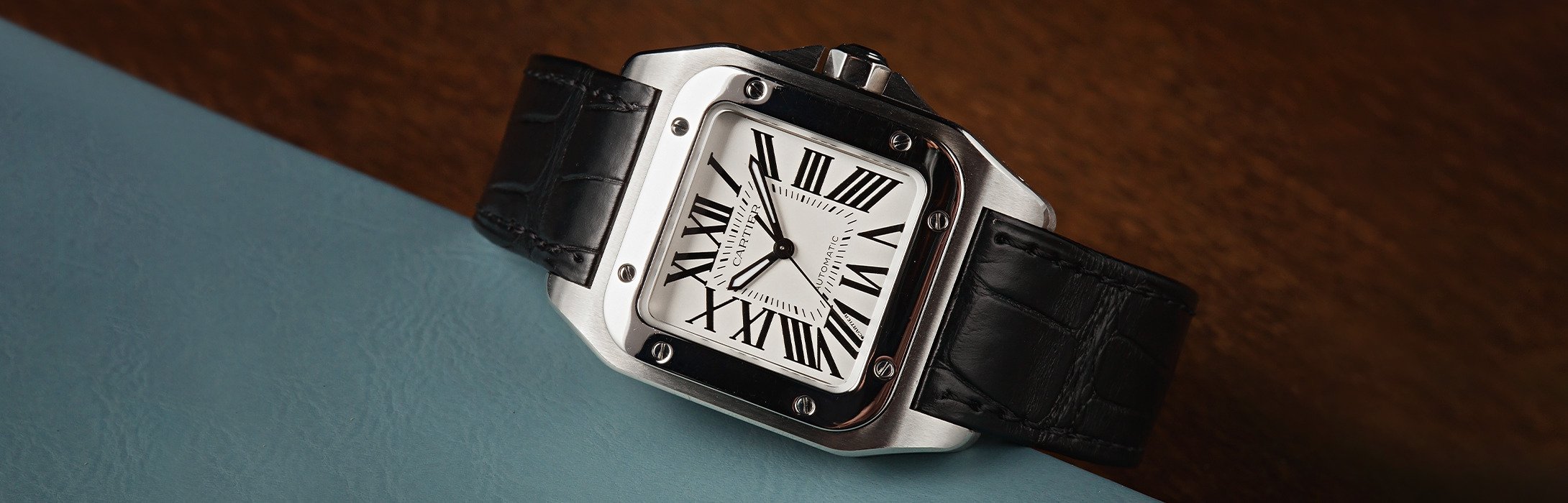
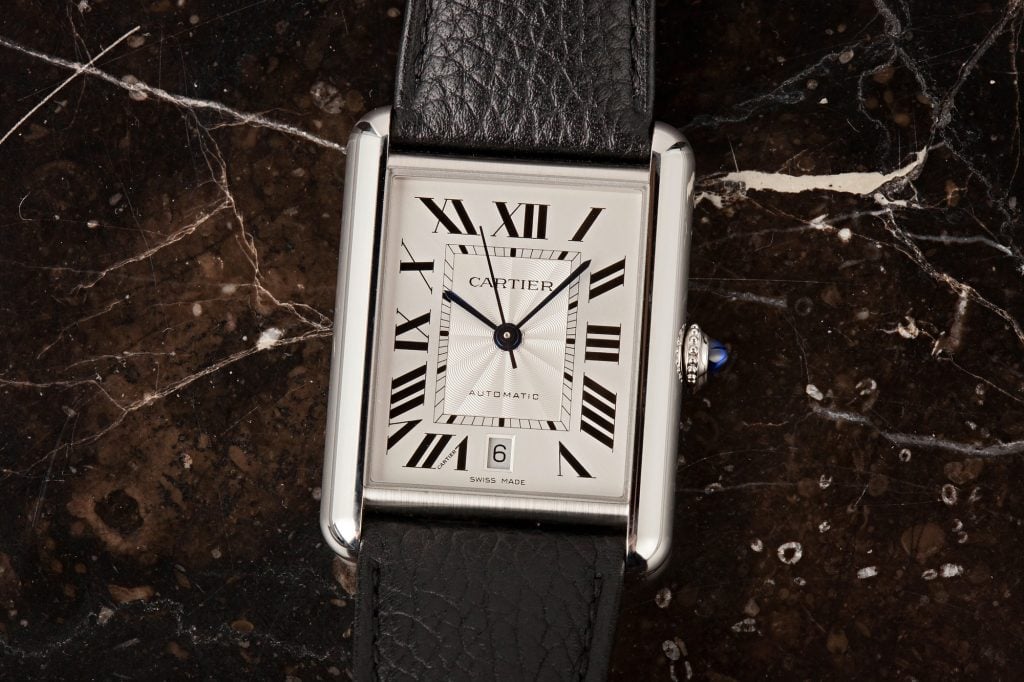
Understanding Cartier watch serial numbers is just one aspect of appreciating these luxury timepieces. For those interested in exploring the full range of the brand’s horological offerings, from the iconic Cartier Tank to the sporty Cartier Santos, delving into detailed information can help you make an informed decision. Whether you’re considering your first Cartier purchase or looking to expand your collection, it’s valuable to explore various models, their unique features, historical significance, and current pricing. For a comprehensive overview of these aspects and more, seeking out a thorough Cartier watch review can provide invaluable insights to guide your appreciation or purchase.
Each model has its own story and appeal, waiting to be discovered by discerning watch enthusiasts. Cartier’s commitment to excellence is evident in every timepiece, blending traditional craftsmanship with modern innovations. By exploring the brand’s rich history and current offerings, you can gain a deeper appreciation for the artistry and precision that goes into every Cartier watch. Whether you’re drawn to classic designs or contemporary styles, Cartier’s extensive range ensures there’s a perfect timepiece for every wrist and occasion.
Cartier Serial Number Frequently Asked Questions
Below are some of the most commonly asked questions about Cartier watch serial numbers.
What does a Cartier serial number look like?
Cartier serial numbers appear as engraved sets of either numbers or a mix of numbers and letters that most frequently range between four and eight digits in length.
Do Cartier watches have serial numbers?
All Cartier watches have serial numbers, but the location of the serial number and then number of digits that make it up can differ depending on the specific model of watch and when it was manufactured.
How do I know what year my Cartier was made?
For certain Cartier watches, the first two digits of the serial number will correspond with the last two digits of the year that it was made. However for other Cartier watches, the specific year may have to be determined by its sequential numbering system, or it may even be necessary to contact the manufacturer in order to find out when it was made.
Where is a Cartier serial number?
Many Cartier watches have their serial numbers engraved directly on their casebacks, and this means that they can easily be viewed by simply looking at the back of the watch. With that in mind, there are other Cartier watches that have serial numbers engraved in places that cannot be viewed unless you first open up the case of the timepiece.