Skeleton watches are far more than just time-telling instruments. They’re wearable art. As such, each skeleton movement is a testament to the brand’s skilled artisanship and watchmaking. Real skeletonization is a laborious, intricate process in which material is removed from the bridges and plates of a movement. The result is a view into the very beating heart of a watch, while still leaving it strong enough to tell time. Let’s go through the history, craftsmanship, and best skeleton watches from the most renowned brands in the game.
Key Takeaways
- Definition of Excellence: True skeletonization involves extreme material removal and meticulous hand-finishing (anglage, perlage) across the movement’s remaining components.
- High Horology Masters: The highest-tier skeletonization is dominated by brands like Patek Philippe, Audemars Piguet, and Cartier, where the movement is the primary canvas.
- Bob’s Watches Featured Models: We examine specific highly collectible references, including the rare Patek Philippe Calatrava Skeleton, the distinctive AP Millenary 4101, and the historically significant OMEGA Skeleton Watch (Ref. 3688.30.32).
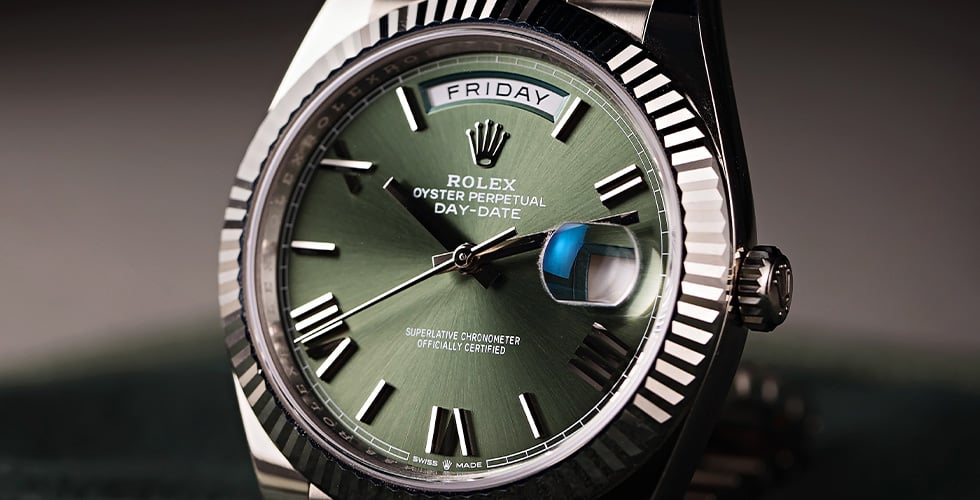
- The Rolex Anomaly: We address the high demand for Rolex skeletons and why the brand does not produce true skeleton watches.
You may love Audemars Piguet for their architectural masterpieces, Cartier for their sculptural curves, or Patek Philippe for their house finishing lore. Whatever your preference, knowing what goes into making such complicated watches is crucial. Read on for our ultimate guide to the world’s finest skeleton watches.
Understanding True Skeletonization: Art, History, and Engineering
The art of skeletonization dates as far back as the 18th century, when watchmakers first started experimenting with removing material from movements to reveal their inner workings. It is a process that is both artistic and engineering based. Each component must be closely examined in order to see what could potentially be removed.
What Defines a Skeleton Watch?
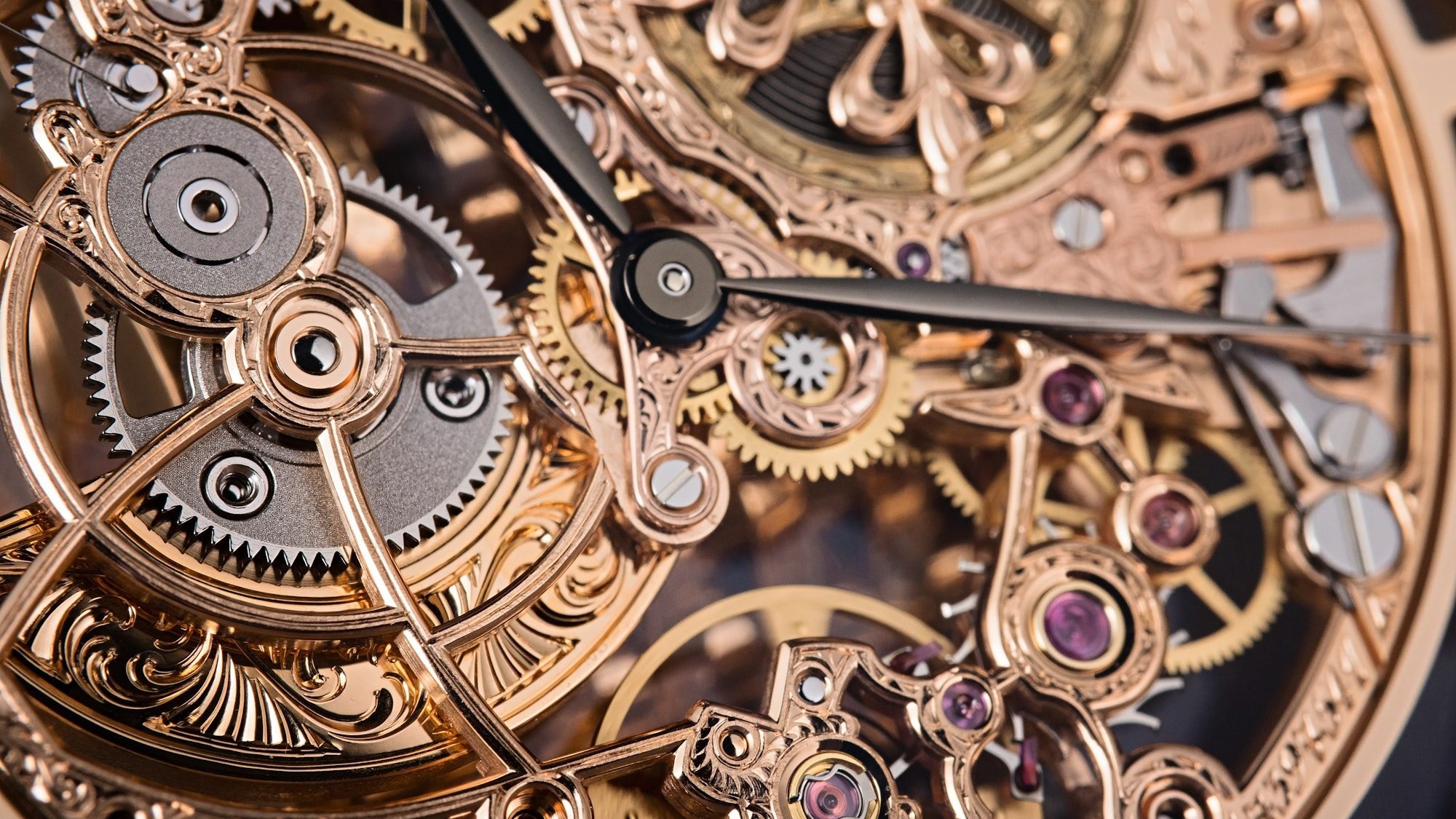
In a strict sense, and using the original French term, a “squelette” is a skeleton watch in which the movement’s plates and bridges have been cut away to leave only the metal necessary to support the movement’s wheels, springs, and other components. The remaining portions of the metal that make up the movement are often elaborately finished.
In contrast to the “open-heart” or “semi-skeleton” watch, in which the dial has a simple window to expose a portion of the movement, usually the balance wheel, true skeletonization puts the entire movement on display and results in a three-dimensional sculptural form in which every remaining surface is finished and polished. Partial open-heart designs show a view into the inner workings without the extensive removal and finishing that is characteristic of true haute horlogerie skeletonization.
The Artistic and Technical Challenge

The distinction between a high-end skeleton watch and a mass-produced version pretty much lies in the finishing. Master watchmakers spend countless hours applying techniques like anglage (beveling edges to precise angles), côtes de Genève (Geneva stripes), and mirror polishing to all the surfaces. These processes require very steady hands, specialized tools, and years of training. The best skeleton watches have finishing that’s so precise that even the interior angles of bridges are polished to perfection, visible only under magnification but representing the maker’s commitment to excellence at every level.
The Definitive Ranking of Best Luxury Skeleton Watches
The top brands making skeleton watches have spent decades, if not centuries, perfecting the art of exposing and finishing mechanical movements, and each has a different approach to skeletonization, from classical to contemporary and architectural.
Patek Philippe: The Pinnacle of Haute Horlogerie

Patek Philippe’s approach to skeletonization hasn’t changed much since it was founded in 1839. A key example is the Patek Philippe Calatrava Skeleton in rose gold. Every component of the automatic movement is hand-finished: all the edges of the bridges and wheels are beveled to reflect light at just the right angle and all the planar surfaces are beautifully decorated. Patek Philippe produces a small number of skeleton watches per year, as true artisanal finishing can’t be done by the dozen.
The defining characteristics of Patek skeleton watches are their classic proportions and sense of refinement. Despite the complexity of construction, the Calatrava Skeleton has an ultra-thin profile. The bridges and wheels are positioned to achieve visual balance, with the movement’s geometry forming elegant patterns that are both functional and beautiful. This is a high point of traditional horological aesthetics, where beauty and manual anglage are everything.
Audemars Piguet: Architectural Openworked Mastery
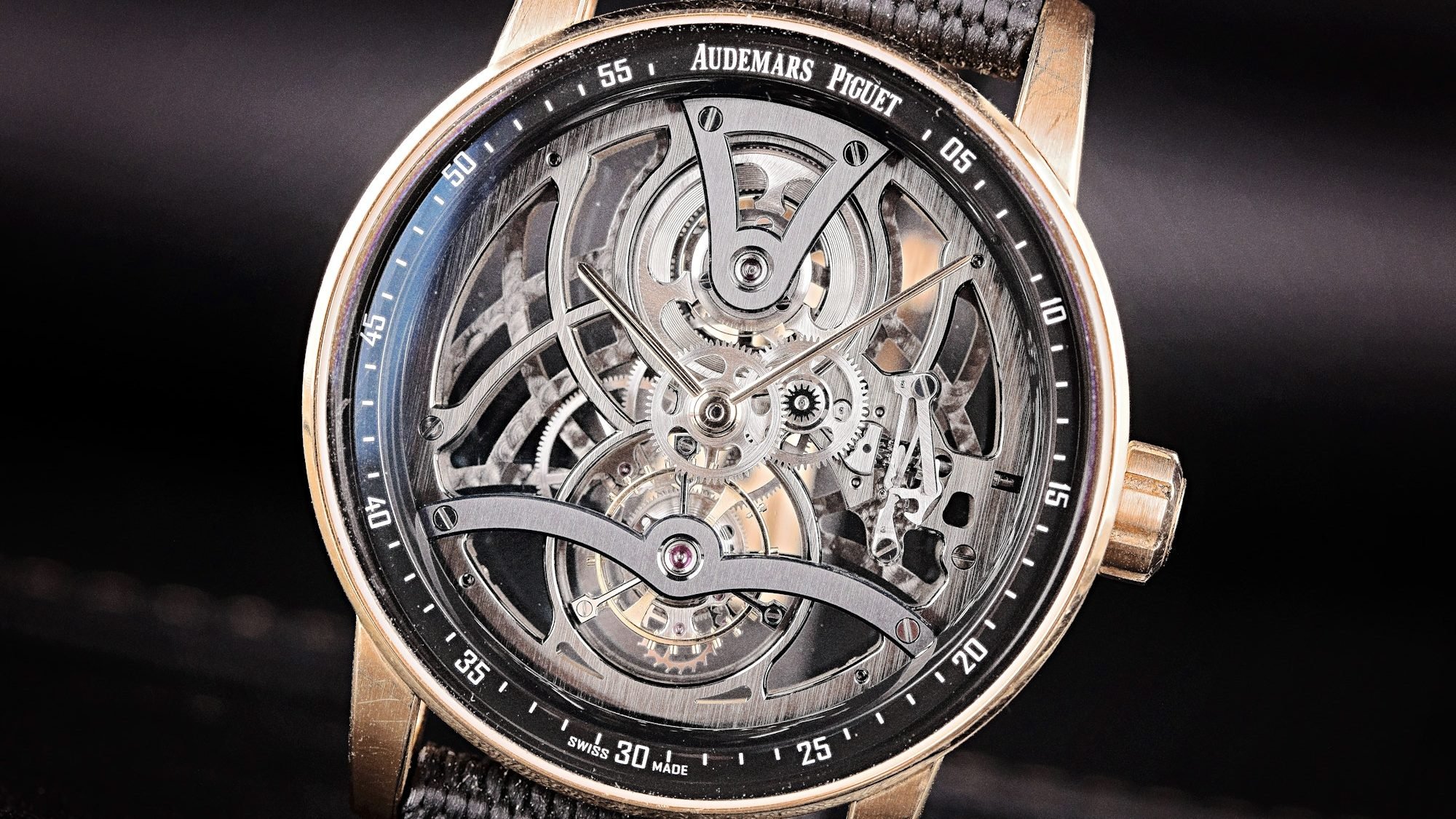
Audemars Piguet reveals two complementary methods for the exhibition of the movement. The Royal Oak collection features a modern and architectural approach to skeletonization that has become a benchmark for contemporary watchmaking. In the Royal Oak Double Balance Wheel Openworked, there are two balance wheels on the same axis, and the bridges made of pink gold or white gold give the mechanism strong and angular motifs that echo the legendary octagonal case. This “integral” style of skeletonizing the movement is an exercise in geometric planes and structural lines, which creates depth through polished surfaces contrasted with sandblasted or satin-finished elements.
The Millenary 4101 is another, very different, example of AP’s openworking. Sitting in the collection’s trademark elliptical case, the model’s time display is off-centre, producing a powerful visual imbalance. The Calibre 4101 is partially revealed through the dial and the balance wheel is displayed, riding on its bridge and clearly visible in perpetual motion. Selective exposure shows the most intriguing mechanical parts while maintaining outstanding legibility in contrast to the fully skeletonized Royal Oak models. The Millenary 4101 features an elliptical case shape and unique dial architecture which make it an outstanding semi-skeleton watch with visual drama that doesn’t need full material removal for exposure.
Cartier: Sculpture and High-Design
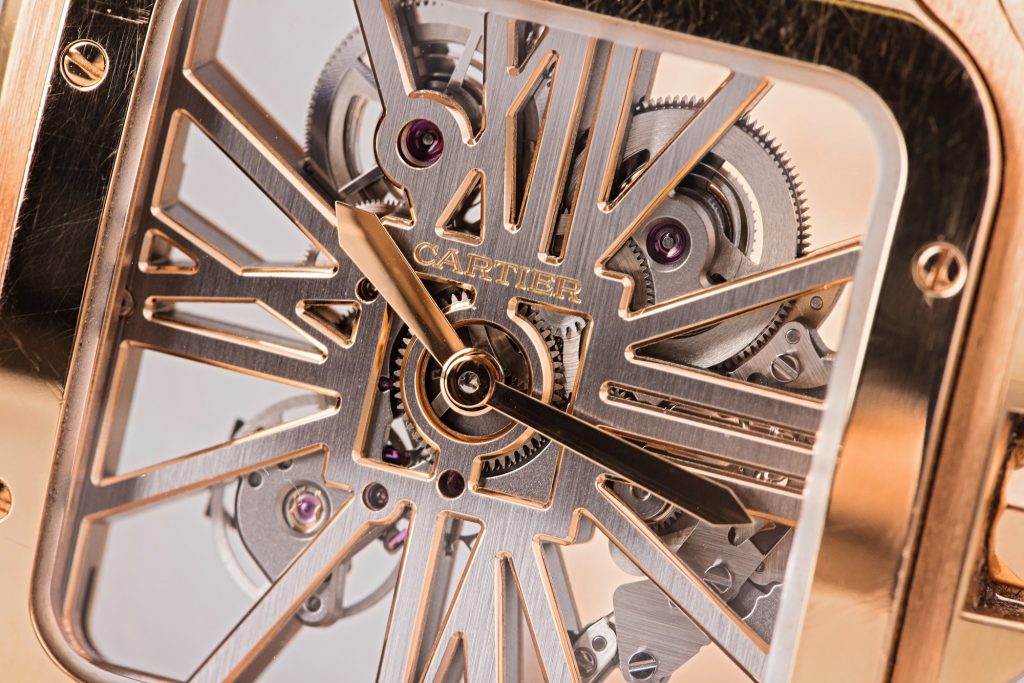
Cartier‘s unique history in jewelry and design also lends itself to an artistic approach to skeleton watchmaking. This is on display in the Santos-Dumont Skeleton, where the bridges are carved, by Cartier’s craftsmen, into functional elements of the dial. In this watch, the movement bridges are hand carved to form the hour markers. The design seamlessly blends Cartier hallmarks with technical watchmaking.
Before a single shaving is removed from the movement, the decorative elements must first be designed to fulfill their mechanical functions. Not only must they support the gear train, but must be engineered to accommodate various tolerances. Cartier’s meticulous skeleton watches often have visible balance wheels at very unexpected angles. It’s a dynamic component that shifts as the angle of view changes. The harmonious marriage of the technical movement with the iconic case is pure Cartier.
OMEGA: Technical Precision Exposed
OMEGA has historically been selective about producing true skeleton watches, making its examples particularly interesting to collectors. One such example is the long-discontinued OMEGA Skeleton watch ref. 3688.30.32, which nicely demonstrates the brand’s technical and aesthetic capabilities, and it’s powered by an in-house movement, which connects the watch to the brand’s broader watchmaking heritage.
The rarity of genuine OMEGA skeletons is also what gives them such value. Many brands have issued skeleton variations on a regular basis throughout their collections, not just OMEGA. The release of skeleton models by OMEGA is often reserved for limited editions or special projects. The technical quality, finishing and rarity, all help to boost collector appeal, and are a testament to the importance of this particular reference in any serious collection of luxurious, exposed watches.
Panerai, Breitling, and Tudor: The Best of Technical Skeleton Design

Panerai has embraced skeletonization in its larger case formats, creating dramatic displays of mechanical artistry. The Luminor Tourbillon GMT Skeleton Dial PAM00767 features high complications and advanced material removal techniques. The 47mm titanium case is fitted with a manual winding movement with both tourbillon escapement and GMT functionality, all in a skeleton form. The large size makes it possible to clearly see the complicated mechanisms, with the tourbillon cage slowly rotating in hypnotic circles at 6 o’clock. The high complication tourbillon and GMT in a technically skeletonized form is an example of Panerai’s innovative and show-stopping approach.
Breitling and Tudor have more accessible approaches to exposed movements, often featuring open-heart dials or partial skeletonization that reveals key components without the full transformation required in haute horlogerie pieces. These models provide entry points into the world of visible mechanics, balancing technical interest with the robust construction and practical features that define these brands.
Top Skeleton Models at a Glance
| Brand | Model Example | Style of Skeletonization | Key Feature |
| Patek Philippe | Calatrava Skeleton (Rose Gold) | Classical/Haute Horology | Exceptional hand-finishing; Ultra-thin movement |
| Audemars Piguet | Royal Oak Double Balance Wheel Openworked | Architectural/Industrial | Dual balance wheels |
| Audemars Piguet | Millenary 4101 (15350ST) | Semi-Skeleton/Open Dial | Exposed balance wheel; unique elliptical case |
| Cartier | Santos-Dumont Skeleton | Sculptural/Design-based | Movement bridges form the hour markers |
| OMEGA | Ref. 3688.30.32 | Technical/Rarity | Distinctive caliber and high collector appeal |
| Panerai | PAM00767 Luminor Tourbillon GMT | Modern/High-Complication | Skeletonized Tourbillon and GMT function |
The Myth of the Rolex Skeleton Watch
Despite significant interest, Rolex does not produce true skeleton watches. This absence on the market reflects the brand’s fundamental philosophy, which prioritizes robustness, reliability, and hermetic sealing over decorative skeletonization. Rolex movements are engineered for durability in real-world conditions, with solid plates and bridges that provide maximum structural integrity and protection against moisture and dust. The brand’s focus on tool watches and everyday luxury runs counter to the delicate nature of extensive skeletonization.
The high volume of searches for “Rolex skeleton watch” exists primarily due to the desire to combine ultimate brand prestige with technical display. Anyone searching for them will only find aftermarket or customized versions, which typically involve third-party modification of genuine Rolex movements. These customized Rolexes can significantly compromise both the value and authenticity of the timepiece, which will void manufacturer warranties and make reselling the watch harder. For genuine skeleton watches backed by manufacturer warranties and finishing standards that meet haute horlogerie expectations, the brands mentioned earlier in this guide are the best options.
Buying, Durability, and Maintenance: An Owner’s Guide
Picking the right skeleton watch means looking beyond its initial visual charm. These timepieces represent significant investments, both financially and in terms of ongoing care. Understanding the practical aspects of ownership helps collectors make informed decisions and maintain their watches properly over time.
Are Skeleton Watches Less Durable or Harder to Read?

Luxury skeleton watches are complex but also usually more delicate than non-skeleton watches. The extensive material removal is calculated precisely to maintain structural integrity under normal wearing conditions. The nature of the movement being exposed makes skeleton watches more sensitive to dust, moisture and shock than they would be with a fully enclosed movement.
Diminished legibility is the price paid for skeleton watches. The absence of a dial means there is no clear background for the hands against which to quickly read the time, particularly in the dark. The loss of legibility is a trade-off collectors are willing to make since their main interest is the visual experience of the artistry and the mechanical action. Some manufactures address this by incorporating contrasting elements or carefully positioning remaining components to create clear backgrounds for the hands.
How to Service a Skeleton Watch

Servicing a skeleton watch requires specialized, meticulous care due to the intricate, exposed components. The following considerations apply:
- Certified Specialists Only: These timepieces should only be serviced by watchmakers certified by the original manufacture or those with proven expertise in haute horlogerie finishing.
- Extended Service Times: Complete overhauls may take several months rather than weeks, as each component must be carefully cleaned, inspected, and refinished to maintain the original aesthetic standards.
- Higher Service Costs: The specialized nature of the work, combined with the time investment required for proper finishing, typically results in service costs that exceed those for standard luxury watches.
- Documentation Preservation: Maintain all original papers, service records, and certificates, as these significantly impact both the insurance value and resale potential of skeleton watches.
- Regular Inspections: Annual inspections by qualified professionals help identify potential issues before they become serious problems, particularly important given the exposed nature of the movement and increased vulnerability to environmental factors.
Final Thoughts on Collecting Exposed Luxury Watches
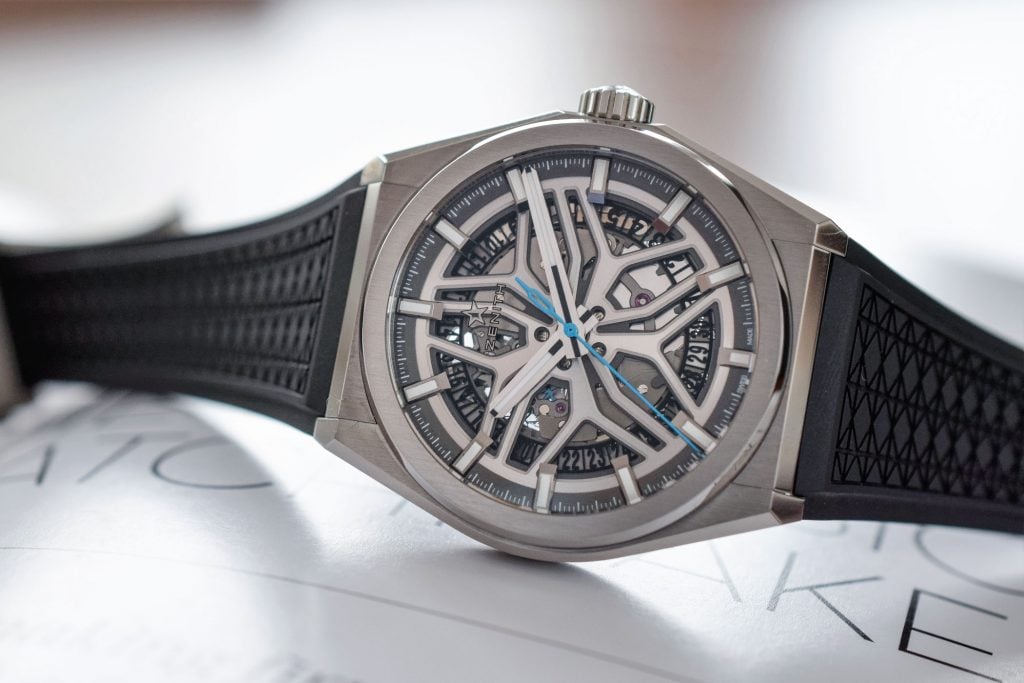
An investment in a true skeleton watch is an appreciation of horological mastery. These timepieces represent the intersection of engineering precision and artistic expression, where every component serves both functional and aesthetic purposes. A knowledgeable collector will appreciate a skeleton watch as an accurate timepiece as well as a wearable work of art that reveals and showcases the best in horological techniques.
When shopping for a skeleton watch, authenticity and condition are paramount. At Bob’s Watches, we stand by our reputation as the world’s premier destination for authenticated, pre-owned timepieces. Our inventory features some of the finest skeleton watches on the market, ensuring you acquire your next timepiece with absolute confidence. Start or add to your collection by browsing our selection of luxury watches today.