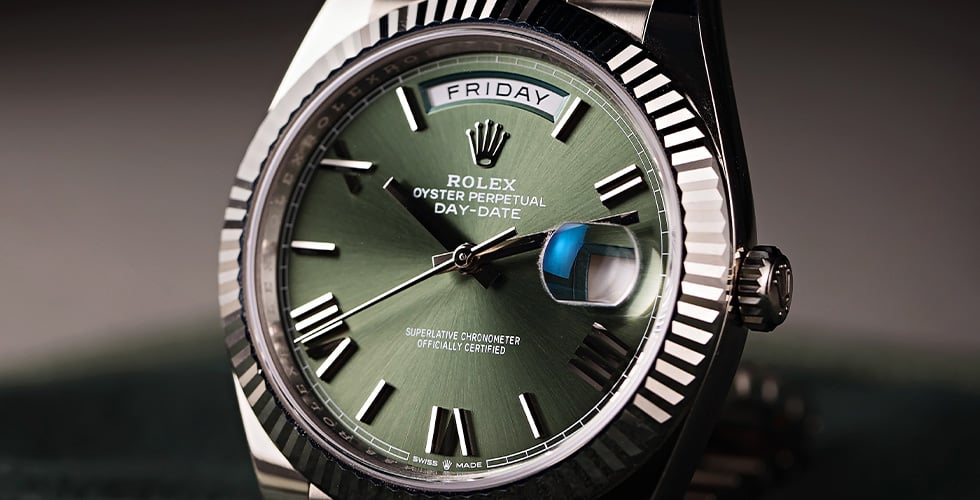
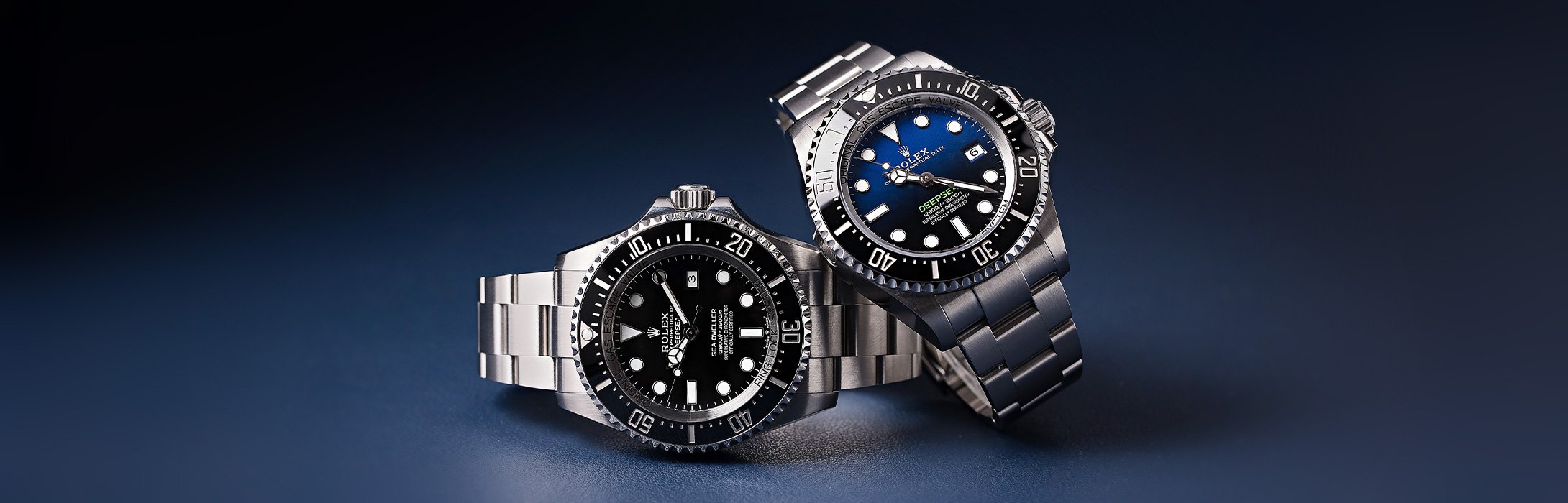
There’s a good reason why collectors compare Grand Seiko vs Rolex. If you’re out shopping for a luxury watch in the $5K – $10K range, you’re probably talking about two brands: Rolex and Seiko’s luxury line, Grand Seiko. It’s the two heavyweights of their respective countries, and when it comes to which one is better, it’s simply a matter of preference. Rolex excels at value retention, international brand awareness and bracelet engineering. Grand Seiko is the king of movement technology, dial artistry and hand finishing at this price point.
Key Takeaways:
- Rolex: Unrivaled resale value and global prestige. Many models trade at or above retail price on the secondary market.
- Grand Seiko: Superior movement accuracy with Spring Drive technology and exceptional dial finishing through Zaratsu polishing.
- Wearability: Rolex offers better bracelets with tool-free micro-adjustment systems. Grand Seiko focuses on case geometry and dial craftsmanship.
- Availability: Grand Seiko watches are easier to buy at authorized dealers. Rolex, on the other hand, often requires long waitlists for popular models.
The 5 Key Battles: How They Compare
For the sake of this article, we’re going to look at five different categories when comparing Grand Seiko and Rolex. Each brand stands out in different ways. Knowing these differences can help you decide which watch best fits your needs.
Craftsmanship and Finishing (The “Zaratsu” Edge)
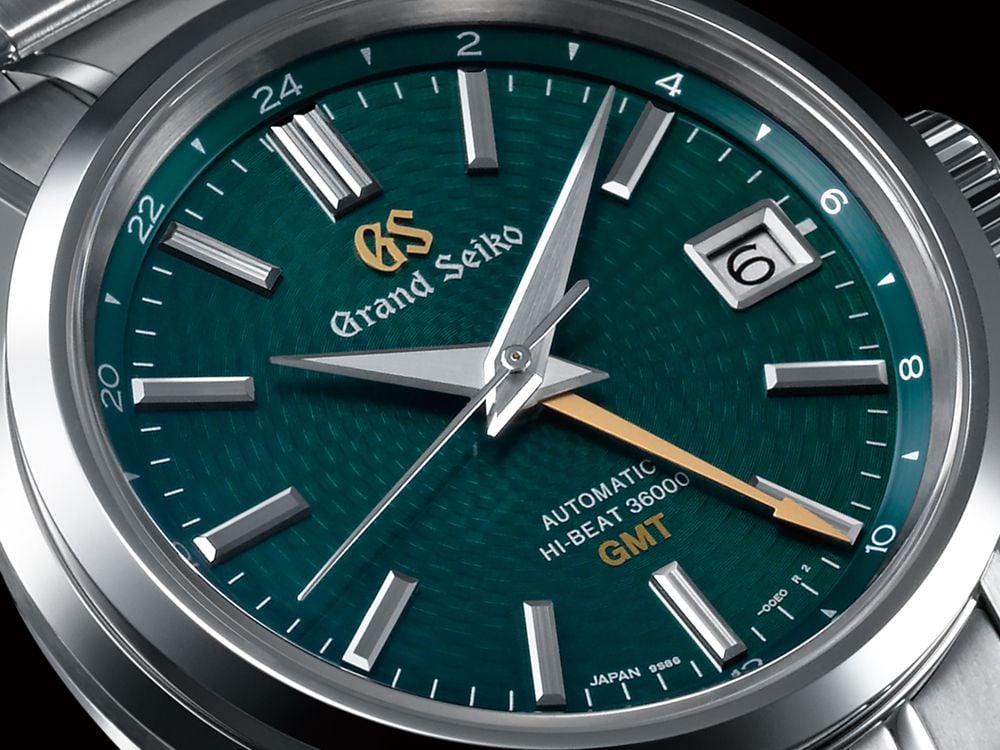
Grand Seiko has a finishing technique called Zaratsu polishing, which creates distortion-free, mirror-flat surfaces. Zaratsu is a Japanese pronunciation of the German “Sallaz” polishing machines that Seiko imported in the 1950s, although the technique has since become uniquely Japanese. Instead of polishing with the side of a rotating wheel, Zaratsu polishing is done with the flat front surface of the wheel. This allows craftspeople to create flat planes that meet each other at crisp, razor-thin edges. Grand Seiko claims it takes months for artisans to develop the intuitive feel needed to master the Zaratsu technique.
Every watch Rolex makes is absolute perfection. However, the finishing is mostly machine-assisted. The brushed and polished surfaces of a Rolex are executed with precision, but they don’t necessarily have the hand-finished feel of a Grand Seiko case. For case and dial finishing, Grand Seiko generally outperforms Rolex at a similar price. This becomes especially noticeable when viewing the two side-by-side in different lighting, where Grand Seiko’s flat surfaces catch and reflect light in a way that is very human.
Movement Technology: Spring Drive vs. Superlative Chronometer

The movement is the heart of every watch. Rolex and Grand Seiko both have very different approaches to precision. Grand Seiko’s Spring Drive is one of the most innovative movement technologies in modern watchmaking, while Rolex has perfected traditional mechanical watchmaking to an exceptional standard.
| Feature | Grand Seiko (Spring Drive/Hi-Beat) | Rolex (Superlative Chronometer) |
| Accuracy | ±1 second per day (±15 sec/month for standard Spring Drive) | ±2 seconds per day |
| Service Interval | 3-4 years (recommended) | 10 years (recommended) |
| Power Reserve | 72 hours (typical) | 70 hours (typical, new generation) |
| Philosophy | Hybrid electro-mechanical (Tri-synchro Regulator) | Pure mechanical reliability |
Grand Seiko’s Spring Drive, introduced in 2004, is powered by a mainspring like a conventional mechanical watch. However, the escapement is substituted by a quartz-controlled regulator, known as the Tri-synchro system. This mechanism is what creates the smooth sweeping action of the seconds hand so many collectors are after, instead of the characteristic ticking of a conventional watch. In recent watch news, Grand Seiko launched the Ultra Fine Accuracy caliber 9RB2 in 2025 which achieved ±20 seconds per year performance making it the most precise mainspring-powered wristwatch available.
Bracelets and Wearability
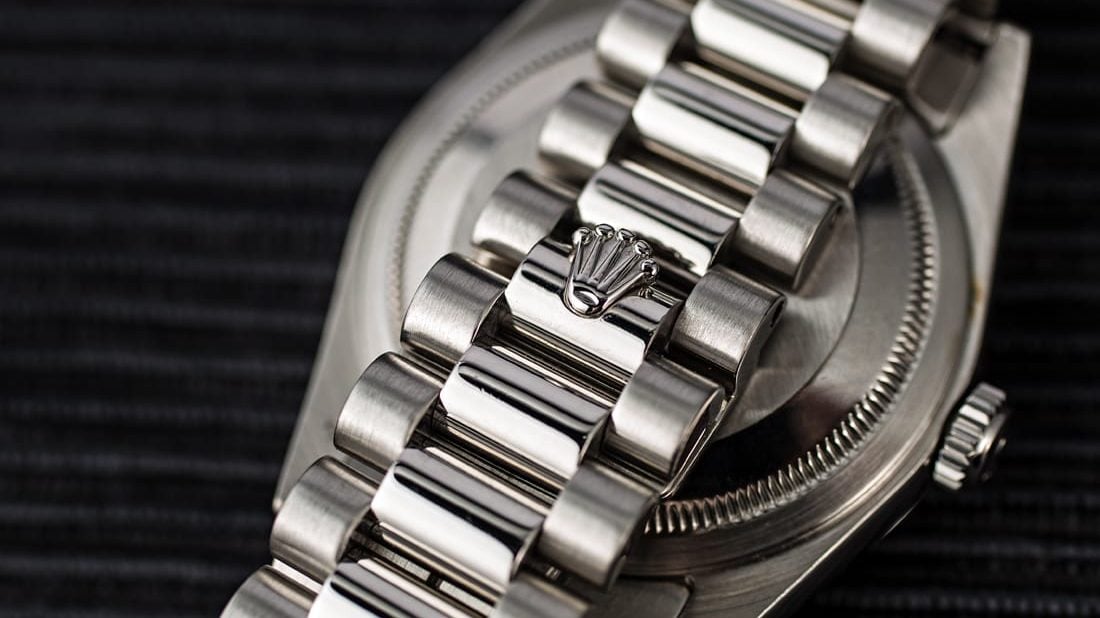
Bracelets are Rolex’s most decisive advantage. The answer remains the same across all watch forums catering to collectors: Rolex dominates bracelet engineering. Their Glidelock system, used on most dive watches such as the Submariner and Sea-Dweller, provides up to 20mm of tool-free adjustment in 2mm increments. Easylink, an extension standard on most other models, allows a quick 5mm adjustment with a flip of the clasp. These handy innovations give the wearer precise control to dial in their perfect bracelet fit throughout the day as the wrist naturally expands and contracts with temperature variations.
Historically, Grand Seiko has fallen behind competitors as most models do not feature any tool-free micro-adjustment options. This has long been the brand’s most notable shortcoming in the eyes of enthusiasts and fortunately Grand Seiko has listened. The brand released a new three-step micro-adjustment clasp in early 2025 alongside the Evolution 9 Spring Drive UFA models. With this newer clasp, the wearer can adjust the bracelet in 2mm increments up to 6mm, all without tools. It doesn’t quite match Rolex’s Glidelock capabilities, but we’re grateful Grand Seiko is taking the community’s feedback to heart, nonetheless. Cases on Grand Seiko watches also tend to sit slightly thicker on the wrist compared to their Swiss rivals.
Dials: Nature vs. Icons
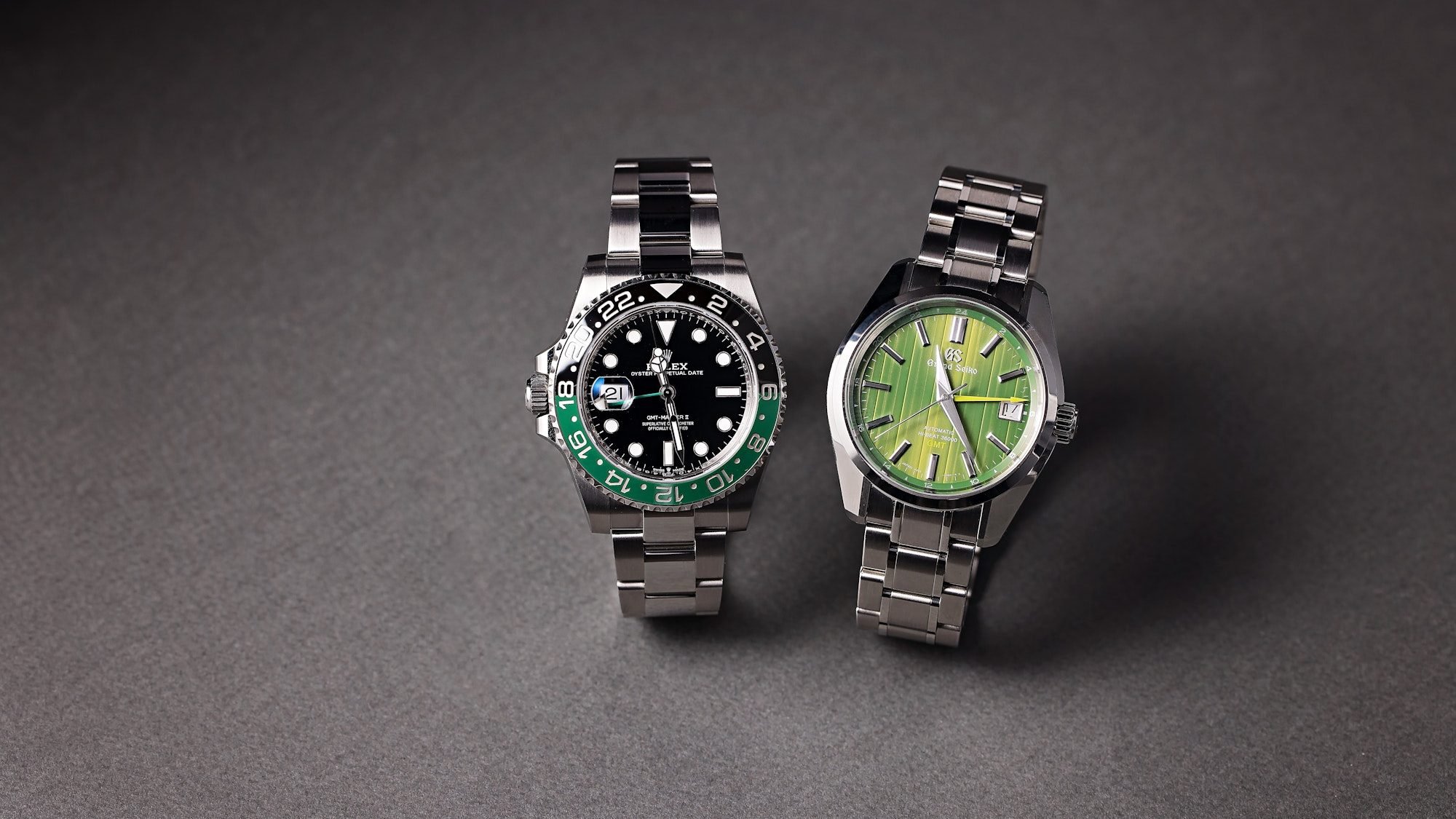
The dial is where Grand Seiko sets itself apart. Grand Seiko’s dials captivate, often inspired by the mountains, forests, and fields surrounding its workshops in Japan. For instance, take the “Snowflake” dial, inspired by freshly fallen snow in Shinshu, or the “White Birch” dial, which resembles the bark of birch trees growing near the studio in Shizukuishi. There’s also the “Lake Suwa” dial, which features a very natural, fluid texture inspired by the lapping surfaces of the lake near the brand’s studio. As natural light moves throughout the day it brings changes to the dial color and creates various textures which give depth to the surface.
Rolex dials, on the other hand, take a more classical approach to luxury. They’re instantly recognizable and iconically Rolex. Radiant sunburst finishes or contemporary lacquered dials, as well as exclusive Rolex motifs, like Palm or Jubilee dials, are always closely tied to the Crown. This has led to a focus on dial designs that are at once bolder and less subtle. Rolex has expanded its dial range in recent years to include meteorite and gemstone options yet keeps its main focus on strong and memorable designs. Grand Seiko wins on artistic complexity and dial finishing, while Rolex wins on immediate recognizability.
Value Retention and Investment

Rolex has a major advantage in this category. As shown in our Market Report, Rolex watches routinely trade on the secondary market at strong premiums over retail prices. The brand has the highest average value retention compared to almost all other luxury watch brands. Many of its popular models, such as the Submariner, Daytona and GMT-Master II, are often traded at premium prices over their retail price. This is why Rolex is one of the few consumer goods that can act as a “liquid cash”, as it can easily be converted to cash at any time. We have seen models such as the Datejust appreciate over 300% over 15 years according to our data.
Meanwhile, Grand Seiko watches behave similarly to common luxury products, and pre-owned Grand Seiko watches are generally sold below retail price. Although this may seem like a lot of depreciation in comparison to Rolex, it is a fantastic opportunity for consumers. Buying a pre-owned Grand Seiko is a value hack for collectors who desire top-of-the-line quality without having to pay full retail. A gently used Snowflake or White Birch can sometimes be had for far below its original price while still providing the same outstanding quality and craftsmanship.
Head-to-Head Model Comparisons
We’ve covered the 5 main categories. Now, let’s see how each brand stacks up, using specific models as examples.
Grand Seiko Snowflake (SBGA211) vs. Rolex Datejust
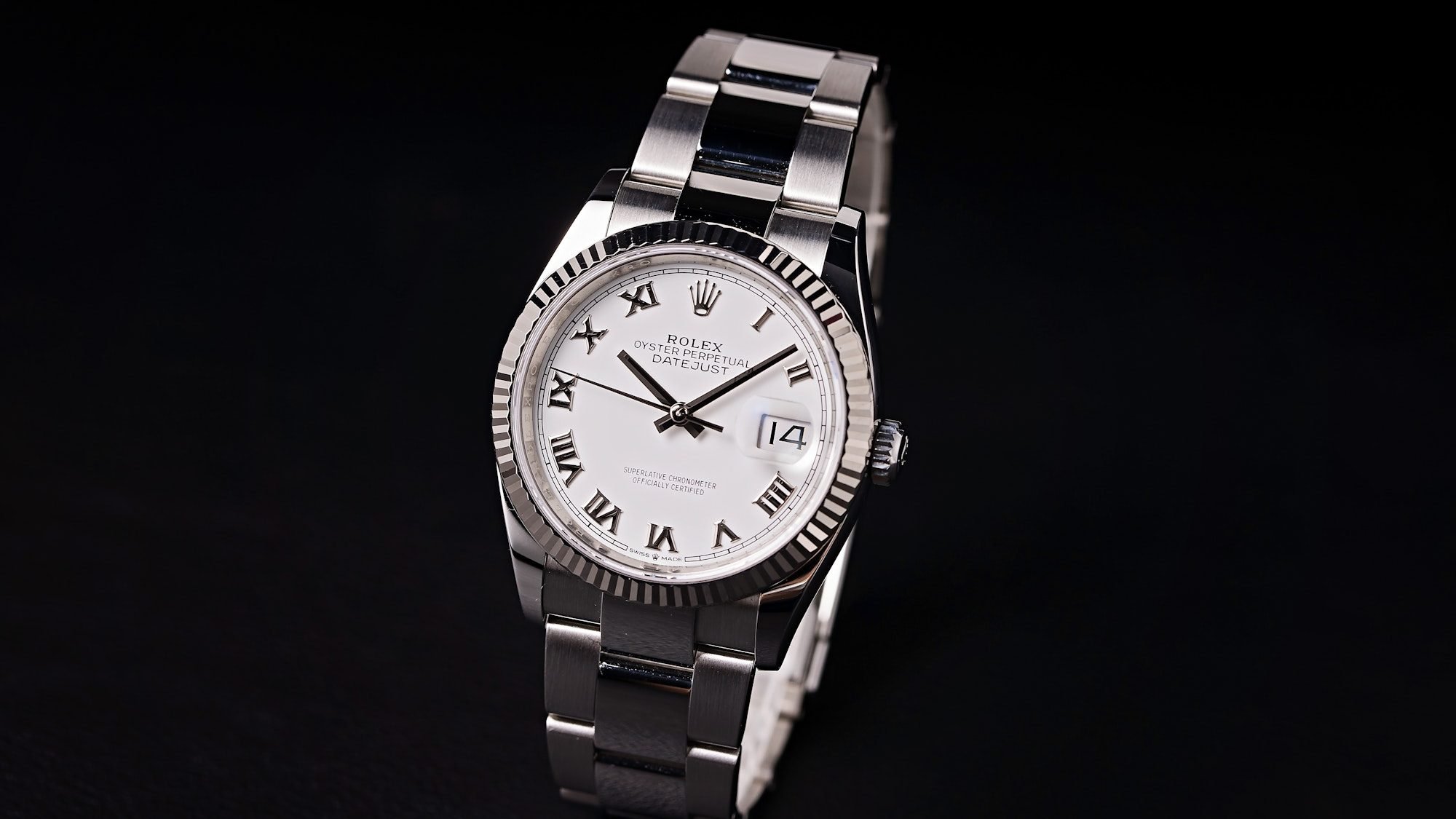
Both watches function as competing daily drivers but each follows its own unique design philosophy. The Datejust is heavier (steel or steel and gold), makes a louder statement (fluted bezel) and has more visual cues like the cyclops date magnifier and that familiar Rolex oomph. The Snowflake is made of much lighter high-intensity titanium, so it feels a dream on the wrist, and offers the hypnotic Spring Drive sweeping seconds hand and textured dial that made it famous. The Datejust makes a clear declaration of its presence while the Snowflake gradually reveals its charm to true connoisseurs.
Grand Seiko Diver (SBGA229) vs. Rolex Submariner

The luxury diver battle is one of wearability vs. craftsmanship. The Submariner remains the gold standard for dive watches. It has superior bracelet construction, the legendary Glidelock system, and it’s perfectly proportioned to flatter even the smallest wrists. That 41mm case wears smaller than it sounds thanks to Rolex’s masterful lug design. The Grand Seiko diver has better finishing, and better accuracy, courtesy of Spring Drive, but it’s larger. The Submariner is the clear winner for daily wear, especially if you’ve got smaller wrists.
Grand Seiko GMT vs. Rolex GMT-Master II
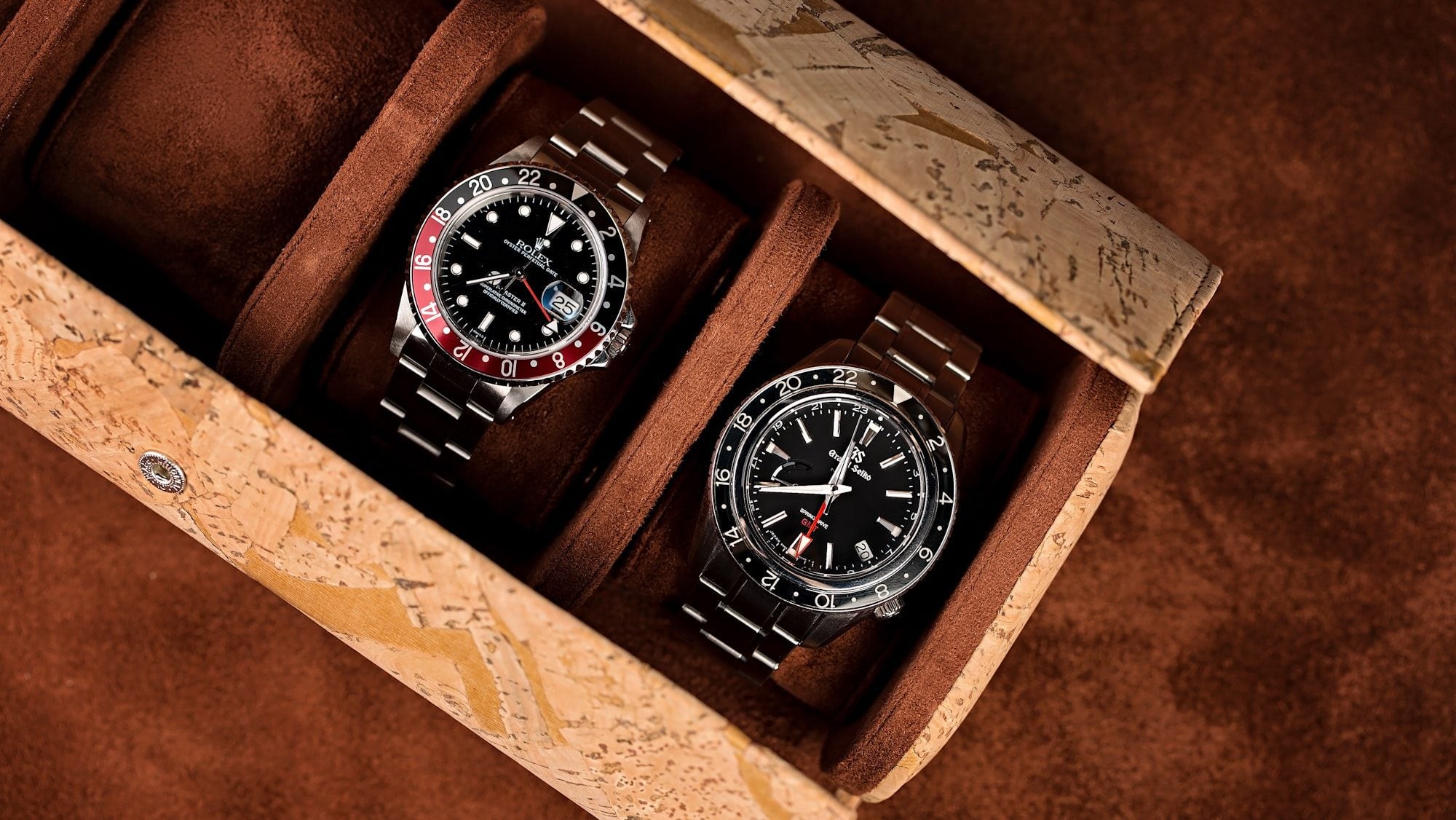
The traveler’s watch comparison comes down to status versus substance. The Rolex GMT-Master II, particularly in “Pepsi” or “Batman” bezel configurations, is an unmistakable status symbol that attracts attention wherever you go. These bezels have become cultural icons beyond the watch world. Grand Seiko’s GMT watches come with artful dials, unique application of lume on sapphire bezels and they do the time zone keeping job just as well as the GMT-Master II while remaining distinctly GS. Pick Rolex if you want to be seen. Pick Grand Seiko if you want to be surprised by the little things over time.
Who Should Buy Which? (The Verdict)

Buy Rolex If:
- You want instant brand recognition that transcends the watch world
- Investment safety and value retention are important considerations
- You prioritize the best possible bracelet with tool-free micro-adjustment
- You want longer service intervals (10 years recommended)
- You appreciate watches that communicate success and achievement
Buy Grand Seiko If:
- You appreciate “stealth wealth” and watches that reward close inspection
- You want the smoothest seconds hand in the world (Spring Drive)
- Dial finishing and artistic craftsmanship are your top priorities
- Movement accuracy matters more than brand prestige
- You prefer to buy without waitlists or playing allocation games
A Final Thought on Japanese vs. Swiss Luxury
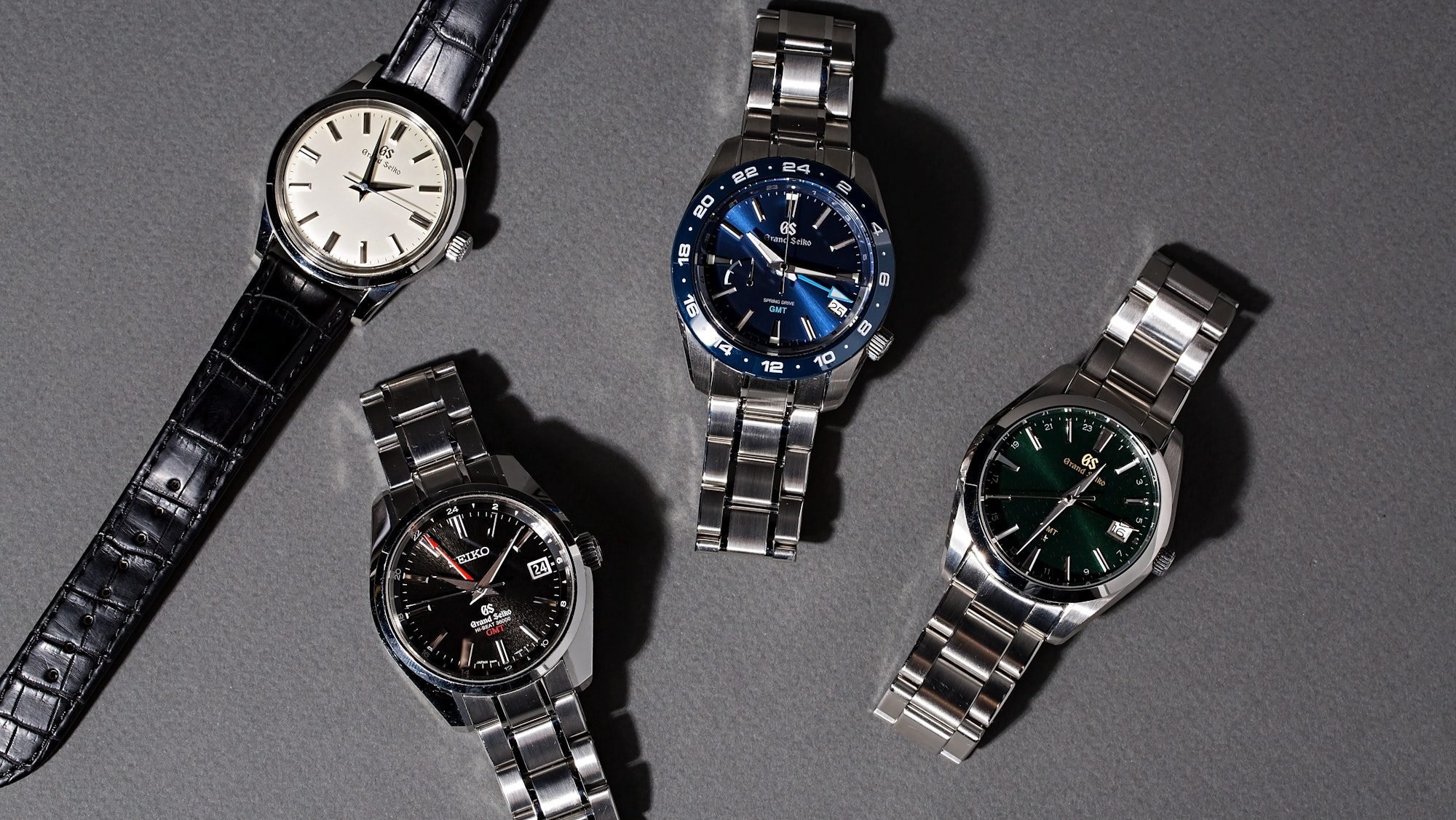
The Grand Seiko vs. Rolex debate isn’t necessarily about which brand is better. It’s more about what collectors prioritize in a watch. Rolex delivers public recognition alongside enduring resale value and the technical excellence of a premier luxury watch brand. The Grand Seiko delivers personal satisfaction through technical innovation and meticulous dial finishing while offering daily enjoyment for the wearer without focusing on surrounding impressions. Both are incredible values in their respective philosophies.
From vintage Rolexes to modern-day masterpieces, doing business with Bob’s Watches is a surefire way to protect your investment because we guarantee the authenticity of every watch we sell. We carry both Rolex and Grand Seiko, with certification and authentication for every timepiece from both brands, and many more.