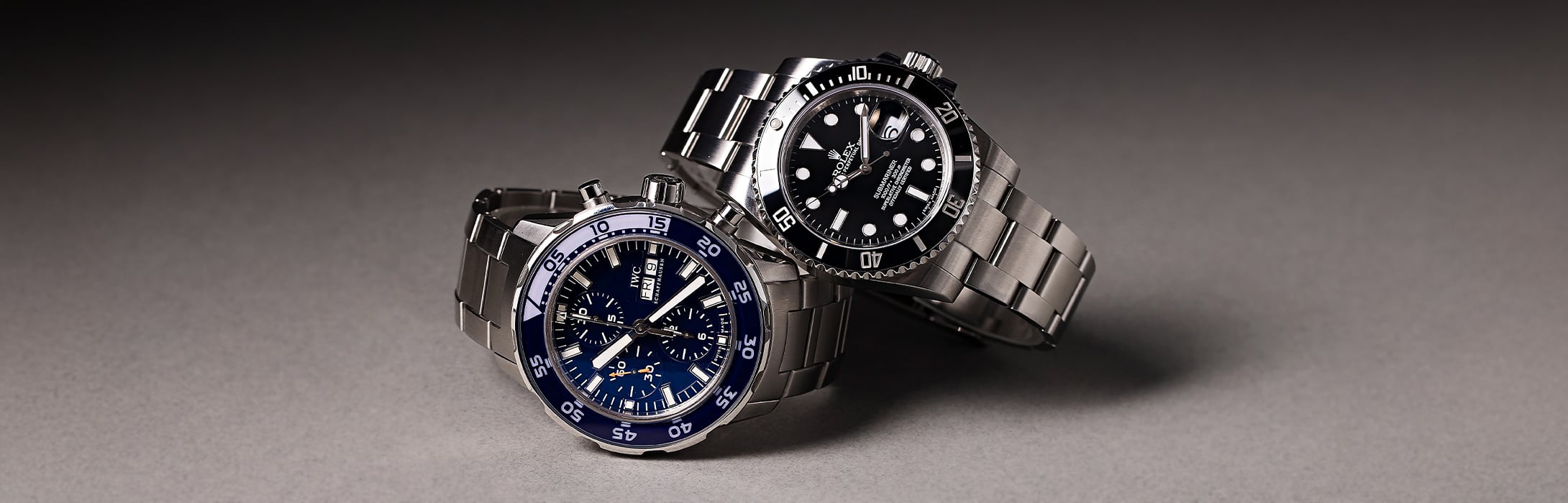

Comparing IWC to Rolex is comparing two very prestigious Swiss luxury watch brands with different strengths. Rolex has far better brand recognition and investment potential. IWC, on the other hand, is collection-worthy in its own right with top-notch engineering and innovation, but at much more approachable prices. Rolex is backed by a 20-40% premium in the secondhand market, and IWC is more about technical complexity and complications. So in 2026, the “right” choice isn’t really about which brand is better. It’s about whether you care more about brand power and resale strength, or thoughtful engineering and horological depth on the wrist.
Key Takeaways:
- Rolex starts at around $6,000-7,000, while IWC begins around $4,000-5,000
- Rolex holds or appreciates in value 80-120%, while IWC depreciates 20-30% like most luxury watches
- IWC specializes in complications like perpetual calendars and tourbillons, while Rolex focuses on reliability and durability
- Brand recognition: Rolex is universally known, while IWC appeals primarily to watch enthusiasts
- Availability: IWC is readily available, while popular Rolex models require waitlists of 2-5 years
- Case sizes: IWC tends larger (41-46mm), while Rolex offers a broader range (31-46mm)
- Both manufacture in-house movements with COSC certification
First-time buyers and seasoned luxury watch collectors alike should understand the core differences between Rolex and IWC to make the best buying decision for them. That’s why we’ve put together everything you should know, from brand history to design philosophies, pricing, and the best models.
Brand Heritage & History
IWC and Rolex have both been around for more than a century, but come from different backgrounds and have very different design philosophies. When you look back at where they came from, their modern personalities start to make a lot more sense.
IWC Schaffhausen: The American-Swiss Innovator (1868)
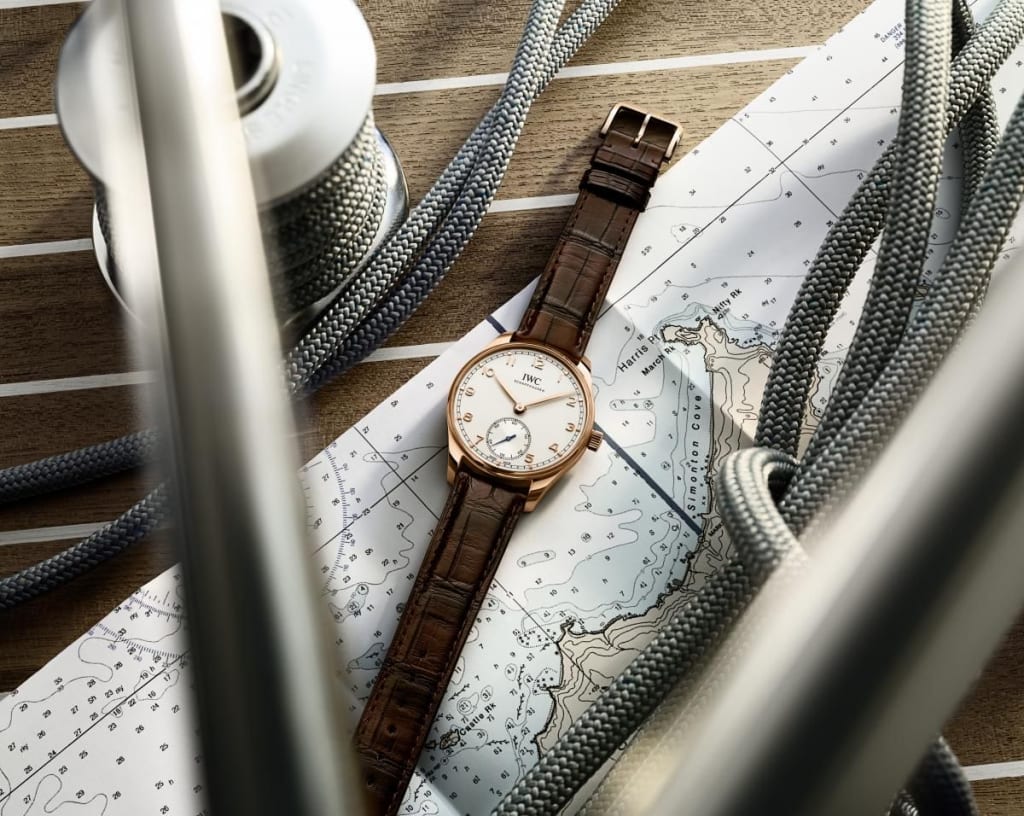
The history of IWC watches actually starts with an American. In 1868, American engineer Florentine Ariosto Jones founded IWC watches, essentially bringing industrial manufacturing techniques to Swiss craftsmanship. It was innovative. He chose the Swiss town of Schaffhausen because it was close to the Rhine River and because it could generate hydroelectric power, which, of course, helped run his modern machinery. That shaped IWC’s overall identity very early on.
The brand became known for its technical achievements. It made aviation watches for pilots, marine chronometers for navigators, and even complex complications like perpetual calendars. IWC formed partnerships with professional pilots and explorers, cementing its reputation as a tool watch manufacturer. These days, IWC is part of the Richemont Group, alongside names like Cartier and Jaeger-LeCoultre.
Rolex: The Crown of Swiss Watchmaking (1905)
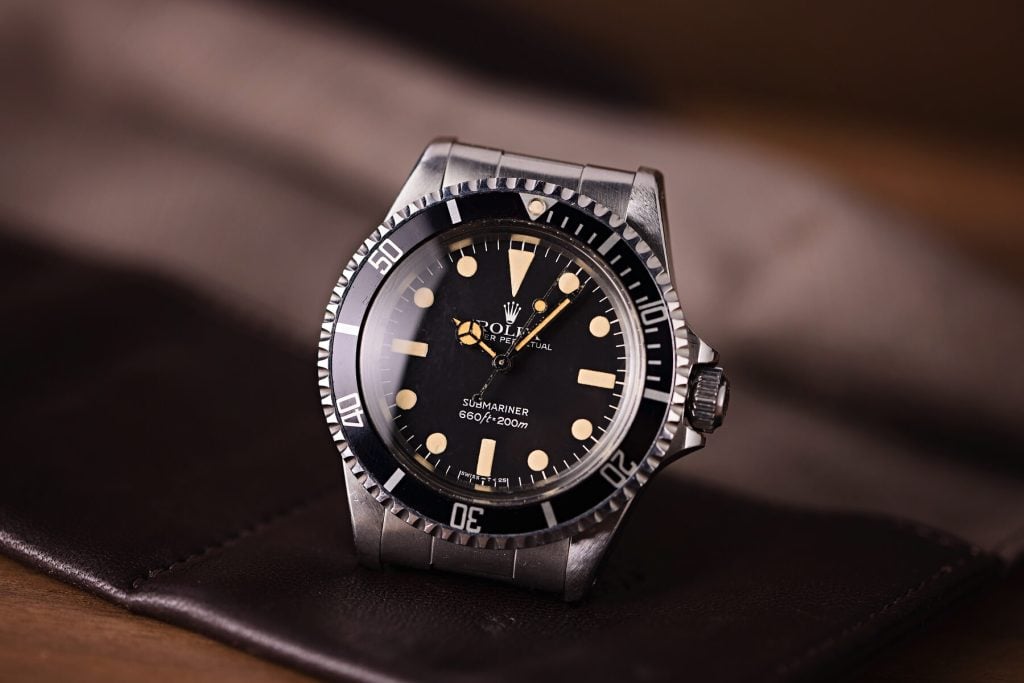
Rolex began in 1905, when Hans Wilsdorf established a shop in London with a simple yet ambitious goal. Make wristwatches that people could really rely on. At the time, wristwatches were still a novelty compared to pocket watches. Mr. Wilsdorf wasn’t having that. He believed a watch worn on the wrist could be just as handy and reliable. Waterproofing, precision, everyday durability. Those became early priorities. Not long after, the company moved to Geneva, leading to the brand as we know it today.
Over the years, Rolex watches achieved some genuine milestones. The Oyster case in 1926 changed the game for water resistance. The Perpetual rotor in 1931 made self-winding watches practical for everyday wear. And the brand built its own strict testing standards that go beyond basic chronometer certification. Even today, Rolex operates independently, which gives it tight control over everything from manufacturing to quality checks, part of the reason the brand’s reputation for consistency is so hard to shake.
Heritage Comparison
| Aspect | IWC | Rolex |
| Founded | 1868 | 1905 |
| Headquarters | Schaffhausen, Switzerland | Geneva, Switzerland |
| Known For | Technical complications, aviation watches | Reliability, waterproofing, prestige |
| Key Innovation | Pellaton winding system, advanced complications | Oyster case, Perpetual movement, Superlative Chronometer |
| Target Market | Watch enthusiasts, collectors | Broad luxury market, status-conscious buyers |
| Brand Philosophy | Engineering excellence, technical mastery | Precision, durability, timeless design |
Design Philosophy & Aesthetics
Visually speaking, IWC and Rolex approach watchmaking in two very different ways. Both brands make beautiful watches, but their unique design codes inherently speak to different types of collectors with different priorities and watch tastes.
IWC’s Engineering-Focused Design

IWC’s design philosophy stems from its tool watch heritage, particularly in aviation and marine instruments. The brand emphasizes legibility, clean dials, and functional aesthetics that prioritize readability and purpose. Modern IWC watches often feature contemporary proportions with a technical-instrument appearance that appeals to those who appreciate understated sophistication.
IWC design characteristics include:
- Large case sizes, typically 40-46mm, offering strong wrist presence
- High legibility with applied markers and generous Lume
- Exhibition casebacks on most models, showcasing movement finishing
- Mix of matte, satin, and polished finishes for visual depth
- Contemporary, bold proportions that suit modern tastes
- Technical-instrument aesthetic with clear, functional layouts
Rolex’s Timeless Icon Design

Rolex follows a design philosophy of incremental refinement rather than dramatic change. The brand’s most iconic models have maintained their core aesthetic elements for decades, creating instantly recognizable watches that never go out of style. This consistency reflects Rolex’s form-follows-function approach, where every design element serves a practical purpose while contributing to the overall elegance.
Rolex signature design elements include:
- Oyster case architecture with distinctive lugs and crown guards
- Cyclops lens magnifying the date window for easy reading
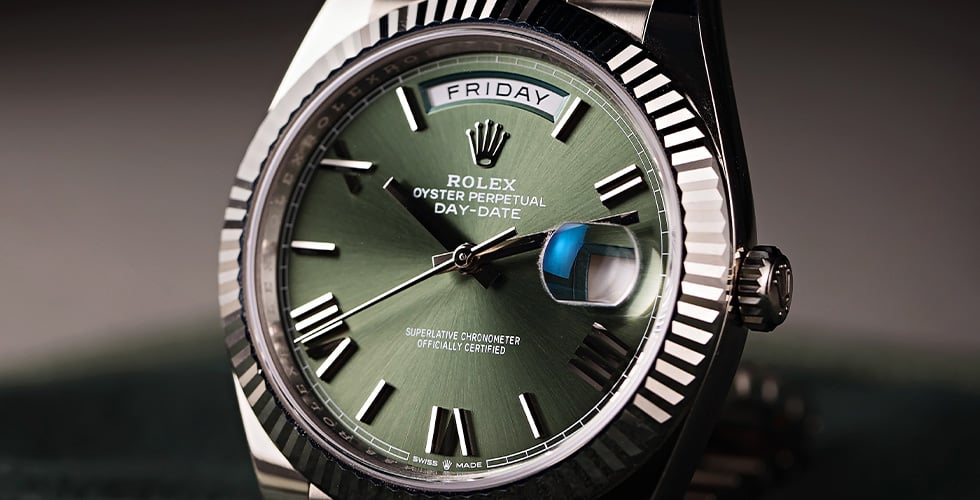
- Fluted bezels on dress models like Datejust and Day-Date
- Mercedes hands on sports models for maximum visibility
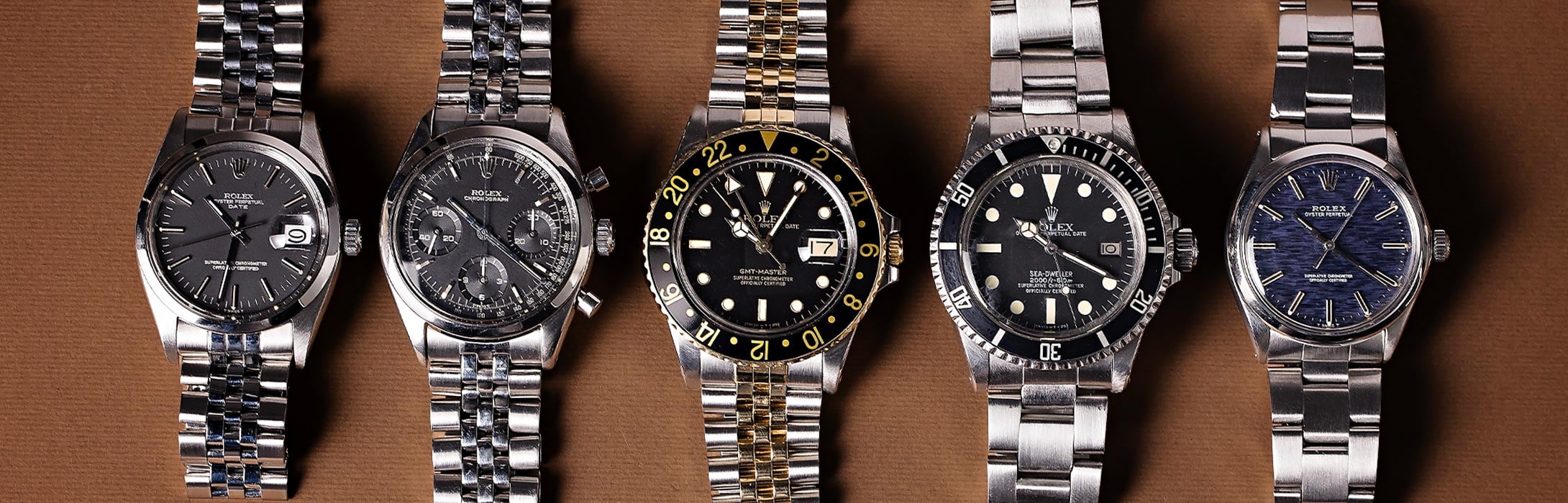
- Jubilee, Oyster, and President bracelets with integrated design
- High-polish finishing throughout for refined appearance
Which Design Philosophy Is Right for You?
| Choose IWC If You Want… | Choose Rolex If You Want… |
| Contemporary, bold aesthetics | Timeless, classic design |
| Understated luxury for enthusiasts | Recognized prestige and status |
| Aviation and tool watch aesthetic | Versatile elegance for any occasion |
| Exhibition casebacks to view movements | Closed casebacks for maximum durability |
| Larger wrist presence (42mm+) | Broader size range (31-44mm) |
Movement Technology & Precision
Both brands manufacture their movements in-house, but they take different approaches to watchmaking technology. Understanding these differences helps explain the performance and appeal of each brand.
IWC In-House Calibers
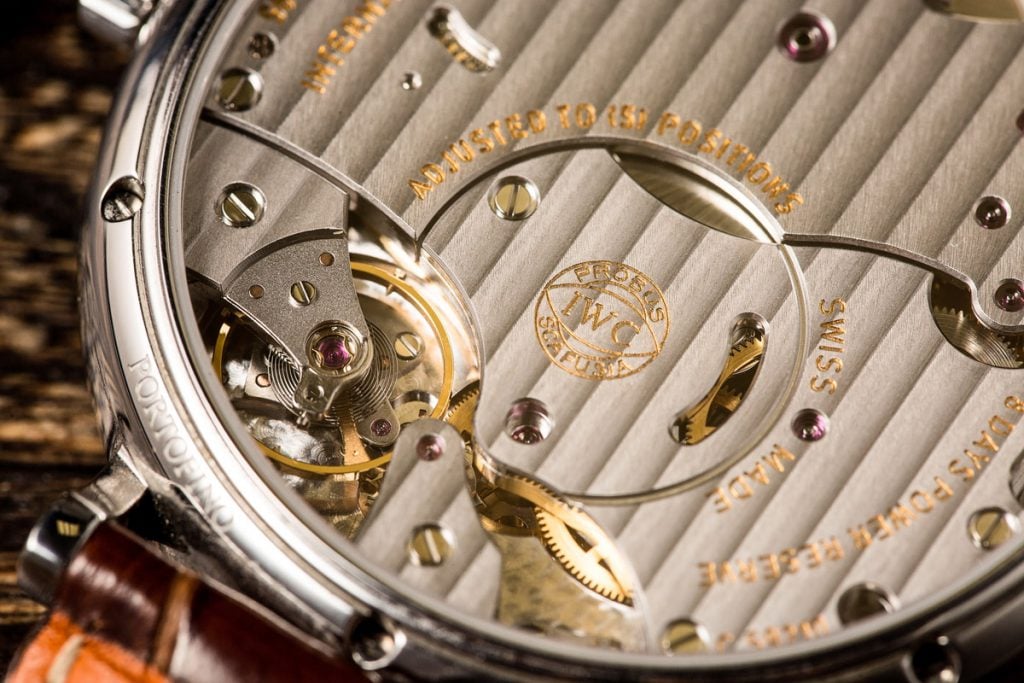
The brand manufactures a range of different IWC in-house movements at its Schaffhausen facility, with particular focus on the 52000, 69000, and 82000 caliber families. The brand excels at creating complex complications while maintaining reliability and user-friendliness. IWC’s movements often feature longer power reserves and innovative winding systems that maximize efficiency.
Key technical features include:
- COSC-certified movements ensuring chronometer-level accuracy
- 7-day power reserves in the 52000 family, reducing need for winding
- Bi-directional pawl winding system for efficient energy transfer
- Specialization in complications including perpetual calendars, chronographs, and tourbillons
- Pellaton winding system offering 15% more efficiency than traditional systems
- Exhibition casebacks standard, showcasing movement finishing and decoration
Rolex Superlative Chronometer Movements
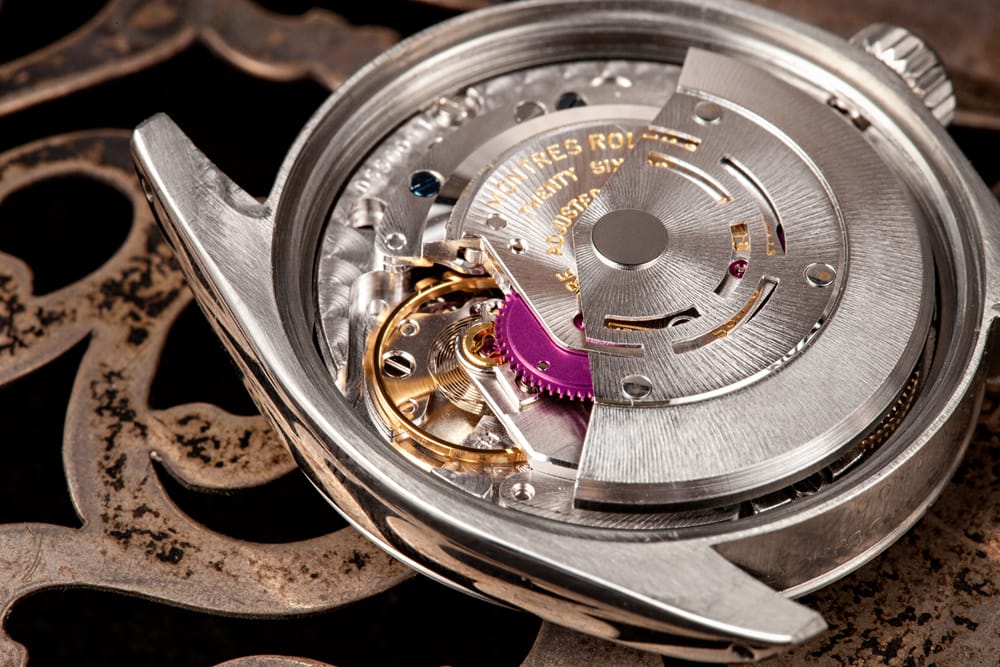
Rolex manufactures all its movements at facilities in Switzerland, subjecting them to testing beyond COSC standards. Every Rolex movement receives both COSC chronometer certification and additional in-house testing, resulting in the Superlative Chronometer designation with accuracy of -2/+2 seconds per day. This dual certification ensures reliability that exceeds industry standards.
Key technical features include:
- All movements receive COSC certification plus Rolex internal testing
- Key calibers include 3230, 3235, and 4130 (Daytona chronograph)
- Chronergy escapement providing 15% efficiency improvement
- Parachrom hairspring offering superior anti-magnetic properties
- 70-hour power reserves across modern movements
- Closed casebacks maintaining water resistance and durability
Accuracy Comparison
| Criteria | IWC | Rolex |
| Certification Standard | COSC Chronometer | COSC + Superlative Chronometer |
| Daily Accuracy | -4/+6 seconds per day | -2/+2 seconds per day |
| Power Reserve | 42-168 hours (varies by model) | 70 hours (modern movements) |
| Winding System | Pellaton bi-directional | Perpetual rotor |
| Anti-Magnetic Protection | Soft iron inner case (some models) | Parachrom hairspring |
| Shock Resistance | Standard anti-shock | Paraflex shock absorbers |
| Serviceability | 5-8 year intervals | 10 year intervals recommended |
Materials & Build Quality
Both brands use premium materials and maintain exceptional quality standards, though they differ in their specific approaches and proprietary technologies.
IWC’s Material Innovation

IWC uses 316L stainless steel for most steel models, which offers excellent corrosion resistance and durability. The brand has also pioneered innovative materials like titanium for lightweight strength and bronze for distinctive patina development. IWC’s most notable material innovation is Ceratanium, a proprietary ceramic-titanium hybrid that combines the lightness of titanium with the scratch resistance of ceramic.
For precious metal models, IWC uses 18k gold in various colors including red, white, and rose gold. The brand also produces platinum cases for its highest-end complications. IWC has made commitments to sustainable material sourcing, including responsible gold procurement and environmentally conscious manufacturing processes.
Rolex’s Proprietary Materials

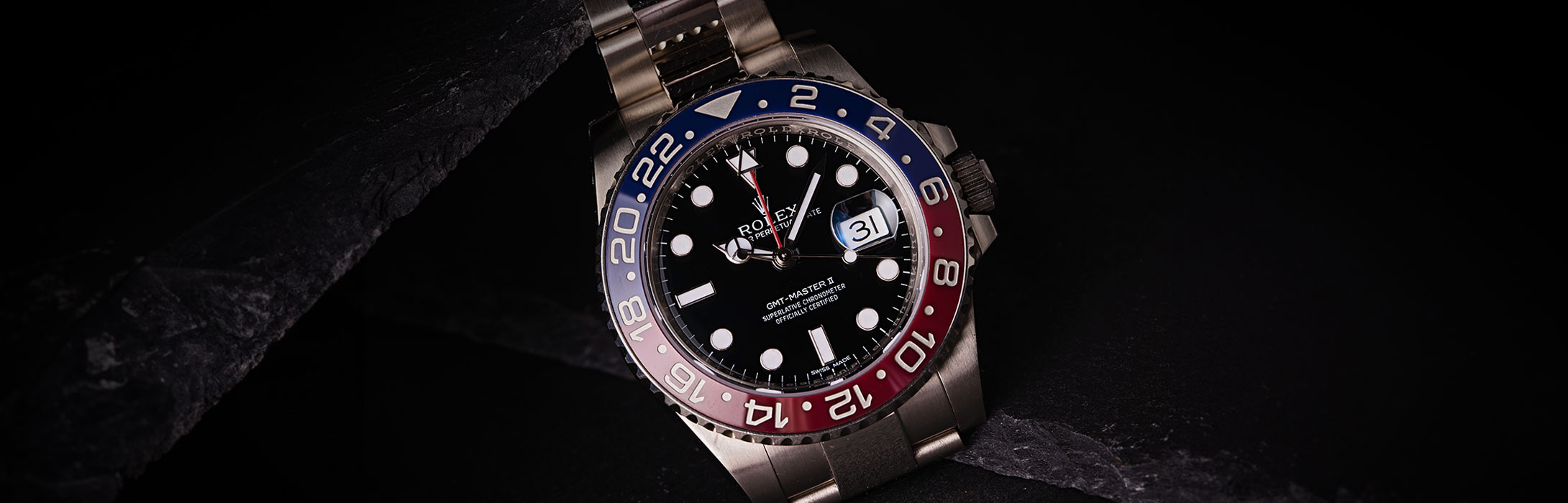
Rolex uses 904L stainless steel, marketed as Oystersteel, which offers superior corrosion resistance compared to the 316L steel used by most watchmakers. This Rolex material requires specialized tools to machine but provides exceptional durability and maintains its polish longer. Rolex also developed the Rolesor, the brand’s term for two-tone steel and gold combinations that have become signature elements of models like the Submariner and GMT-Master II.
The brand’s precious metal offerings include Rolex Everose gold, a proprietary 18k rose gold alloy that resists fading. Rolex manufactures Cerachrom ceramic bezels in-house, creating scratch-resistant inserts with colors that won’t fade from UV exposure. The brand operates its own foundry, giving it complete control over metal alloys and quality.
Durability & Longevity Comparison
Both brands build watches designed to last generations with proper care. IWC typically rates its sports models to 100-300 meters of water resistance, while Rolex sports models range from 100 meters (Rolex Daytona) to 3,900 meters (Rolex Deepsea). Both brands recommend service intervals of 5-10 years, though Rolex recently extended its recommended service interval to 10 years for watches serviced after 2015. The scratch resistance of both brands’ steel is excellent, though Rolex’s 904L Oystersteel and ceramic bezels offer slightly superior resistance to everyday wear.
Price Range & Value Proposition
Price is often a deciding factor when choosing between these brands. Both offer Swiss luxury, but at different price points with different value propositions.
IWC Pricing Structure

IWC positions itself as accessible luxury within the haute horlogerie category. Entry-level models start around $4,000-5,000, making them attainable for buyers entering the luxury watch market. The brand offers significant value in complications, where similar features from other manufacturers might cost considerably more.
IWC Price Tiers
| Collection | Starting Price (USD) | Complications/High-End |
| Pilot’s Mark | $4,500-5,500 | $6,000-8,000 |
| Portugieser Chronograph | $8,000-10,000 | $12,000-18,000 |
| Aquatimer | $5,500-7,500 | $9,000-12,000 |
| Portofino | $4,000-6,000 | $15,000-30,000 (complications) |
| Big Pilot | $12,000-16,000 | $25,000-40,000 |
| Portugieser Perpetual Calendar | $28,000-35,000 | $60,000-150,000+ |
Rolex Pricing Structure

Rolex pricing reflects the brand’s position as the most recognized luxury watch manufacturer. However, the secondary market often tells a different story, with popular steel sports models selling well above retail prices. For those figuring out how much is a Rolex, you really need to look at the secondary market to get the true market price. The challenge for buyers is not just affording a Rolex, but actually obtaining one from a reputable pre-owned dealer.
Rolex Price Tiers
| Model | Retail Price (USD) | Secondary Market |
| Oyster Perpetual | $6,100-7,000 | $6,500-8,500 |
| Explorer | $7,900 | $8,500-10,000 |
| Submariner (steel) | $9,250-10,300 | $12,000-16,000 |
| GMT-Master II | $10,700-11,200 | $14,000-20,000 |
| Datejust | $7,900-15,000 | $8,000-16,000 |
| Daytona (steel) | $15,100 | $30,000-45,000 |
| Day-Date (gold) | $36,000-60,000 | $35,000-65,000 |
Investment Value & Resale
Rolex has established itself as one of the few watches that can appreciate in value, particularly steel sports models like the Submariner, GMT-Master II, and especially the Daytona. These models often sell for 150-200% of retail on the secondary market due to limited supply and high demand. Rolex watches are increasingly viewed as alternative investments, similar to fine art or wine.
IWC watches, like most luxury watch brands, depreciate after purchase. Typical depreciation ranges from 20-30% in the first few years, though limited editions and highly complicated pieces can retain value better. The upside is that pre-owned IWC watches offer excellent value for buyers who prioritize the watch itself over investment potential.
Rolex Reality: Popular steel sports models often sell for 150-200% of retail on secondary market; IWC watches typically sell for 60-75% of original retail price.
Popular Models Head-to-Head
Comparing specific models helps illustrate the practical differences between these brands. Each category reveals different strengths and trade-offs.
Aviation/Tool Watches: IWC Pilot’s vs Rolex Explorer
| Specification | IWC Pilot’s Mark XX | Rolex Explorer 40 |
| Case Size | 40mm | 40mm |
| Movement | Cal. 32111 (COSC) | Cal. 3230 (Superlative) |
| Water Resistance | 100m | 100m |
| Price | ~$5,400 | ~$7,900 |
| Availability | Readily available | 6-12 month waitlist |
The IWC Mark XX offers excellent value with a clean, legible dial and solid specifications at a lower price point. The Explorer benefits from Rolex’s superior brand recognition and better resale value. Both are versatile watches suitable for daily wear, though the Explorer’s iconic status gives it broader appeal.
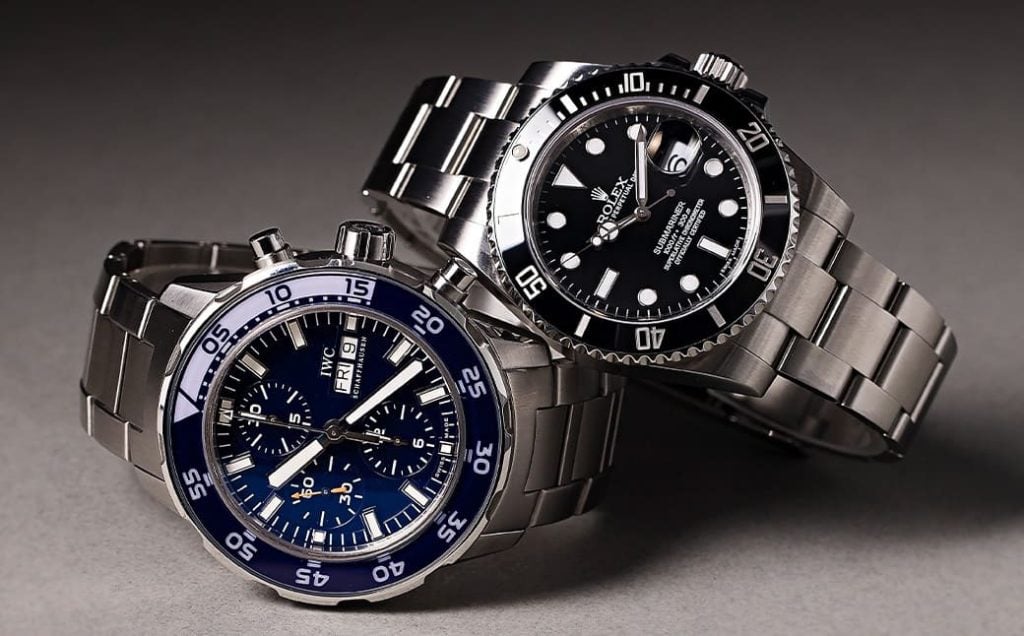
Dive Watches: IWC Aquatimer vs Rolex Submariner
| Specification | IWC Aquatimer Automatic | Rolex Submariner Date |
| Case Size | 42mm | 41mm |
| Water Resistance | 300m | 300m |
| Bezel | Internal rotating | External rotating Cerachrom |
| Bracelet | Steel with quick-change system | Oyster with Glidelock extension |
| Price | ~$6,500 | ~$10,300 |
The Submariner is the definitive luxury dive watch with unmatched recognition and resale value. The Aquatimer offers innovative features like its internal bezel system and quick-change bracelet, appealing to those seeking something different from the ubiquitous Submariner.
Dress/Classic: IWC Portugieser vs Rolex Datejust
| Specification | IWC Portugieser Chronograph | Rolex Datejust 41 |
| Case Size | 41mm | 41mm |
| Complications | Chronograph, date | Date, day (optional) |
| Versatility | Dress to smart casual | Versatile all-occasion |
| Formality | More formal | Dressy to casual |
| Price | ~$9,000 | ~$8,500-12,000 |
The Portugieser offers elegant proportions and a sophisticated chronograph complication, while the Datejust provides unmatched versatility with its iconic design. The Datejust’s fluted bezel and jubilee bracelet make it instantly recognizable, while the Portugieser appeals to those seeking understated elegance.
Chronographs: IWC Portugieser vs Rolex Daytona
| Specification | IWC Portugieser Chronograph | Rolex Cosmograph Daytona |
| Movement | Cal. 69355 | Cal. 4130 |
| Subdials | 2 (12-hour, seconds) | 3 (12-hour, 30-minute, seconds) |
| Legibility | Excellent (large dial) | Very good (contrasting registers) |
| Availability | Readily available | 5+ year waitlist or $30k+ gray market |
| Price | ~$9,000 | $15,100 retail / $30,000+ secondary |
The Portugieser offers exceptional value with its beautiful dial layout and reliable chronograph movement. The Daytona’s legendary status and extreme scarcity make it one of the most desirable watches in the world, but also one of the hardest to obtain at retail pricing.
Buying Experience & Availability
The process of actually acquiring your watch differs significantly between these brands. This practical consideration often influences buying decisions as much as the watches themselves.
Purchasing IWC
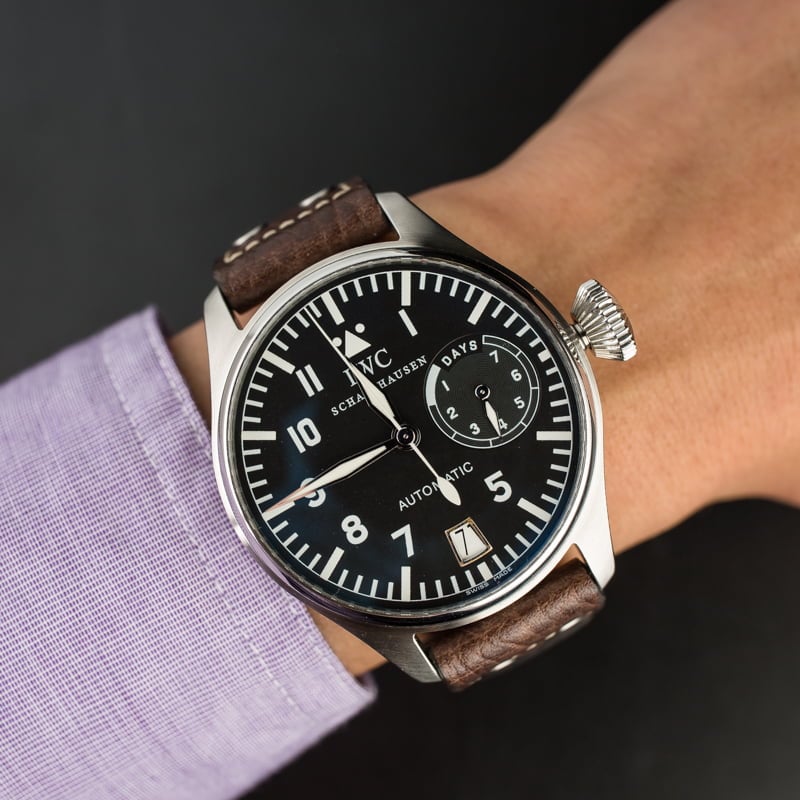
IWC offers a straightforward buying experience through authorized dealers, brand boutiques, and legitimate online retailers. Walk into most IWC dealers and you can try on multiple models, discuss options with knowledgeable staff, and often leave with your chosen watch the same day. This accessibility makes IWC attractive for buyers who want to make informed decisions without artificial scarcity.
Key purchasing considerations:
- Most models readily available in authorized dealers
- Can try multiple watches and make immediate decisions
- No purchase history or relationship required
- Reasonable discount negotiations possible (5-10% in some markets)
- Active gray market with additional savings opportunities
Purchasing Rolex
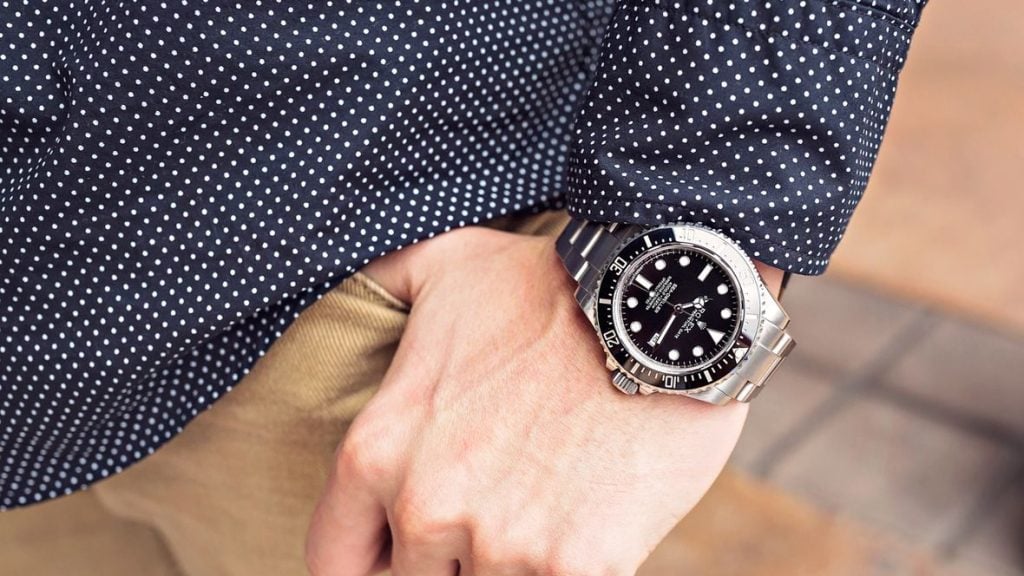
Buying a Rolex, particularly a popular steel sports model, has become notoriously difficult. Authorized dealers operate on allocation systems, with waitlists stretching years for models like the Submariner, GMT-Master II, and especially the Daytona. Many dealers prioritize customers with existing purchase history, creating a system that favors established relationships over new buyers.
Key purchasing challenges:
- Popular models face 2-5 year waitlists at authorized dealers
- Purchase history often required for allocation consideration
- No guarantee of allocation even with established relationship
- Gray market charges significant premiums above retail
- Pre-owned market thriving but prices often exceed retail
After-Sales Service Comparison
| Service Aspect | IWC | Rolex |
| Warranty | 8 years (with registration) | 5 years |
| Service Interval | 5-8 years recommended | 10 years recommended (post-2015) |
| Average Service Cost | $600-1,200 | $700-1,500 |
| Turnaround Time | 4-8 weeks | 4-12 weeks |
| Service Centers | Fewer locations | Extensive global network |
Which Brand Should You Choose?
The right choice depends on your priorities, lifestyle, and what you value most in a luxury watch. Neither brand is objectively better, they simply excel in different areas.
Choose IWC If…
- You value horological complexity and complications over brand recognition
- You prefer readily available luxury without navigating waitlists
- You want larger, more contemporary case sizes (42mm+)
- You appreciate exhibition casebacks to view movement finishing
- Brand recognition among enthusiasts matters more than mass appeal
- You’re buying for personal enjoyment rather than investment
- You prefer understated luxury that doesn’t announce itself
- A more accessible entry price point is important for your budget
Choose Rolex If…
- Maximum brand recognition and prestige are top priorities
- You view your watch as a financial investment or asset
- You prefer timeless, versatile design that never goes out of style
- Durability and reliability in extreme conditions are paramount
- You’re willing to navigate waitlists or pay secondary market premiums
- Resale value and liquidity matter significantly to you
- You want a globally recognized symbol of success
- Broader size range is important (including smaller 31-36mm options)
The Verdict for 2026
There is no absolute winner in the IWC versus Rolex debate. The best choice depends entirely on what you prioritize in a luxury watch purchase. If brand prestige, investment potential, and universal recognition matter most, Rolex is the clear choice despite the challenges in acquiring popular models.
Current market conditions show the Rolex bubble cooling slightly from its 2021-2022 peak, with some secondary market prices declining toward more reasonable levels. This creates better opportunities for buyers, though popular steel sports models remain difficult to obtain. IWC continues offering strong value propositions, particularly in complicated watches where competitors charge significantly more.
The final recommendation comes down to your buyer profile. Collectors seeking horological interest and complications will find more satisfaction with IWC. Status-conscious buyers and those treating watches as investments should focus on Rolex. Budget-conscious luxury buyers will appreciate IWC’s lower entry prices and immediate availability. Your decision should align with your lifestyle, collecting goals, and what brings you the most satisfaction when you look at your wrist.
Frequently Asked Questions
Final Verdict: Making Your Decision
The fundamental difference between IWC and Rolex comes down to prestige and investment potential versus engineering excellence and accessibility. Rolex offers the strongest brand recognition in luxury watches along with investment-grade resale values, while IWC provides exceptional horological craftsmanship at more attainable prices with immediate availability. Both brands produce excellent timepieces, they simply serve different buyer priorities.
Market trends show a continued appreciation of Rolex prices. Internal data from Bob’s Watches shows the average sale price of a Rolex watch increasing about 38.67% between 2020 and 2025. IWC continues to offer strong value as well, with positive feedback from customers that are searching for models to purchase.
When buying a luxury watch, your personal decision should factor in lifestyle, budget, and collecting goals. Consider how you’ll use the watch, whether investment potential matters, and which design aesthetic resonates with you. Visit authorized dealers for both brands, try on multiple models, and let your wrist guide your decision.