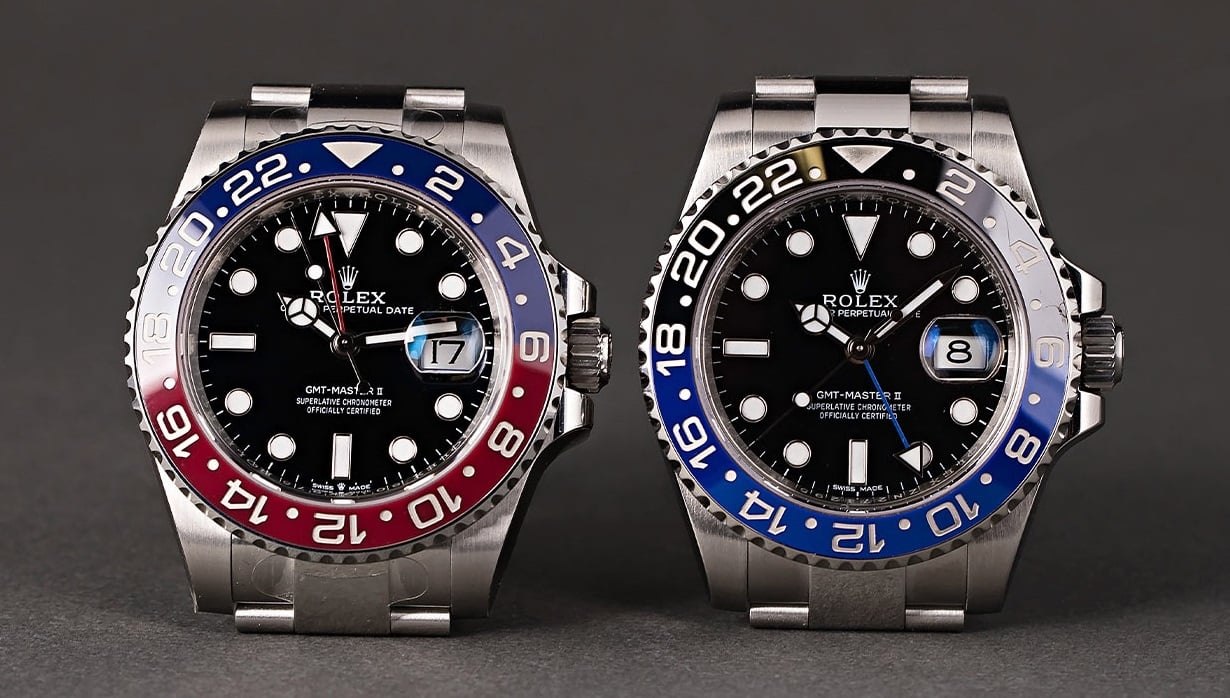
Buying pre-owned Rolex watches is a strategic investment that provides immediate access to discontinued models and avoids the multi-year waitlists found at authorized dealers. The pre-owned market allows buyers to acquire luxury horology with stronger value retention and a far broader selection of historical references than retail channels offer. For those ready to begin the search, exploring a curated selection of pre-owned Rolex watches is the most efficient way to compare references, conditions, and configurations side by side.
Key Takeaways
- Purchasing pre-owned allows for a wider variety of case sizes, dial configurations, and discontinued materials.
- Secondary market watches typically experience less immediate depreciation than brand-new retail purchases.
- Verification of the serial and reference numbers is essential for ensuring authenticity and period-correctness.
- Choosing a reputable dealer with a physical presence and a transparent return policy mitigates the risk of counterfeits.
Understanding the nuances of the secondary market is essential for a successful acquisition. The sections that follow break down the practical considerations every buyer should weigh before committing to a pre-owned timepiece, from authentication checkpoints to long-term value behavior.
Is Buying a Used Rolex a Good Idea?
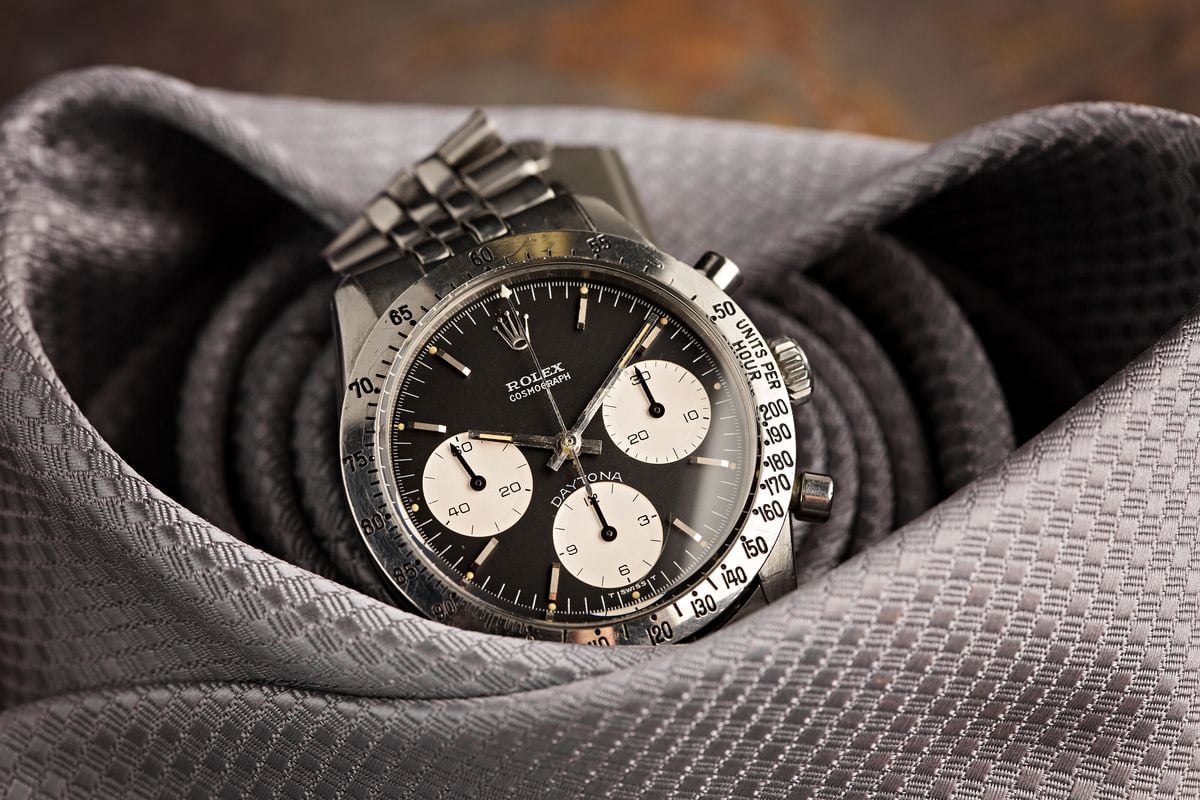
Buying a used Rolex is a highly recommended practice for those seeking specific design features no longer in production. The secondary market is the only realistic path to references that have been retired from the catalog, and it consistently rewards informed buyers with watches that have already absorbed their steepest depreciation. Pre-owned ownership also opens the door to dial variants, bezel materials, and case proportions that the current production line no longer offers.
Buying a used Rolex is a sound decision because these watches are engineered for extreme longevity and typically retain a high percentage of their original value. The secondary market provides the only viable path to acquiring iconic discontinued references and avoids the limited availability of modern retail inventory. For most enthusiasts, the combination of immediate availability and proven value retention, rthan than looking for the cheapest Rolex watches, makes pre-owned the more rational entry point into the brand.
Benefits of Buying a Pre-Owned Rolex
The advantages of purchasing a pre-owned Rolex extend well beyond simply avoiding retail prices. The secondary market addresses three structural problems that affect new buyers: limited inventory, steep first-year depreciation, and a shrinking catalog of distinctive references. The table below summarizes the practical differences between the two channels.
| Factor | Buying New (Authorized Dealer) | Buying Pre-Owned (Secondary Market) |
| Availability | Highly limited; most steel sport models require waitlists. | Immediate; thousands of references in stock at any time. |
| Pricing | Fixed at retail MSRP set by Rolex. | Market-driven; can sit above or below MSRP depending on demand. |
| Selection | Limited to current production catalog. | Decades of references, including discontinued and vintage models. |
| Depreciation | Some models absorb early depreciation in the first year. | Steepest depreciation has typically already occurred. |
- Instant Availability and Selection: skip multi-year interest lists and choose from thousands of references in stock today.
- Value Retention and Pricing: acquire a watch that has already passed through its steepest depreciation curve.
- Access to Discontinued Icons: own neo-vintage and vintage references that are no longer produced.
Instant Availability and Selection
Pre-owned inventory bypasses the interest lists that govern most desirable references at authorized dealers. A buyer who walks into a retail boutique today and asks for a steel professional model is often added to a waitlist with no guaranteed timeline, while the same buyer can identify, inspect, and acquire that exact reference on the secondary market within days. This availability advantage extends across virtually every popular sports watch and frees buyers from the frustration of pursuing watches that retail channels cannot reliably deliver.
Selection on the secondary market is also dramatically broader than what any single boutique can stock. Buyers can compare multiple production years of the same reference, evaluate different dial configurations side by side, and choose between full-set examples and watch-only offerings to match their priorities. That depth of inventory is impossible to replicate at retail, where current-year production dictates what is available.
Value Retention and Pricing
Used Rolex models hold value remarkably well compared to nearly every other category of luxury goods. The brand’s combination of disciplined production, controlled distribution, and global recognition creates a floor under secondary market prices that other manufacturers struggle to match. A pre-owned buyer is paying for a Rolex investment that might not experience any depreciation, which transforms the purchase from a depreciating expense into a more stable holding.
Used Rolex models hold value remarkably well compared to nearly every other category of luxury goods. The brand’s combination of disciplined production, controlled distribution, and global recognition creates a floor under secondary market prices that other manufacturers struggle to match. A pre-owned buyer is paying for a Rolex investment that might not experience any depreciation, which transforms the purchase from a depreciating expense into a more stable holding. This means that if you decide to sell a Rolex after owning it for many years you have the potential of making a profit.
Pricing transparency on the secondary market also benefits buyers in ways the retail channel cannot replicate. Comparable sales data, condition grading, and reference-specific market patterns are publicly observable, which means a well-researched buyer can confirm fair value before committing. That transparency rewards diligence and protects buyers from overpaying.
Access to Discontinued Icons
Discontinued references are the most compelling reason many enthusiasts shop pre-owned in the first place. Neo-vintage models like the Rolex 16613 Submariner, with its two-tone case, aluminum bezel insert, and tritium or early Super-LumiNova lume plots, capture an aesthetic that current production simply does not offer. Owning one of these references is a deliberate choice in favor of a specific era of Rolex design, and the secondary market is the only place that choice exists.
What to Watch Out for When Buying a Used Rolex
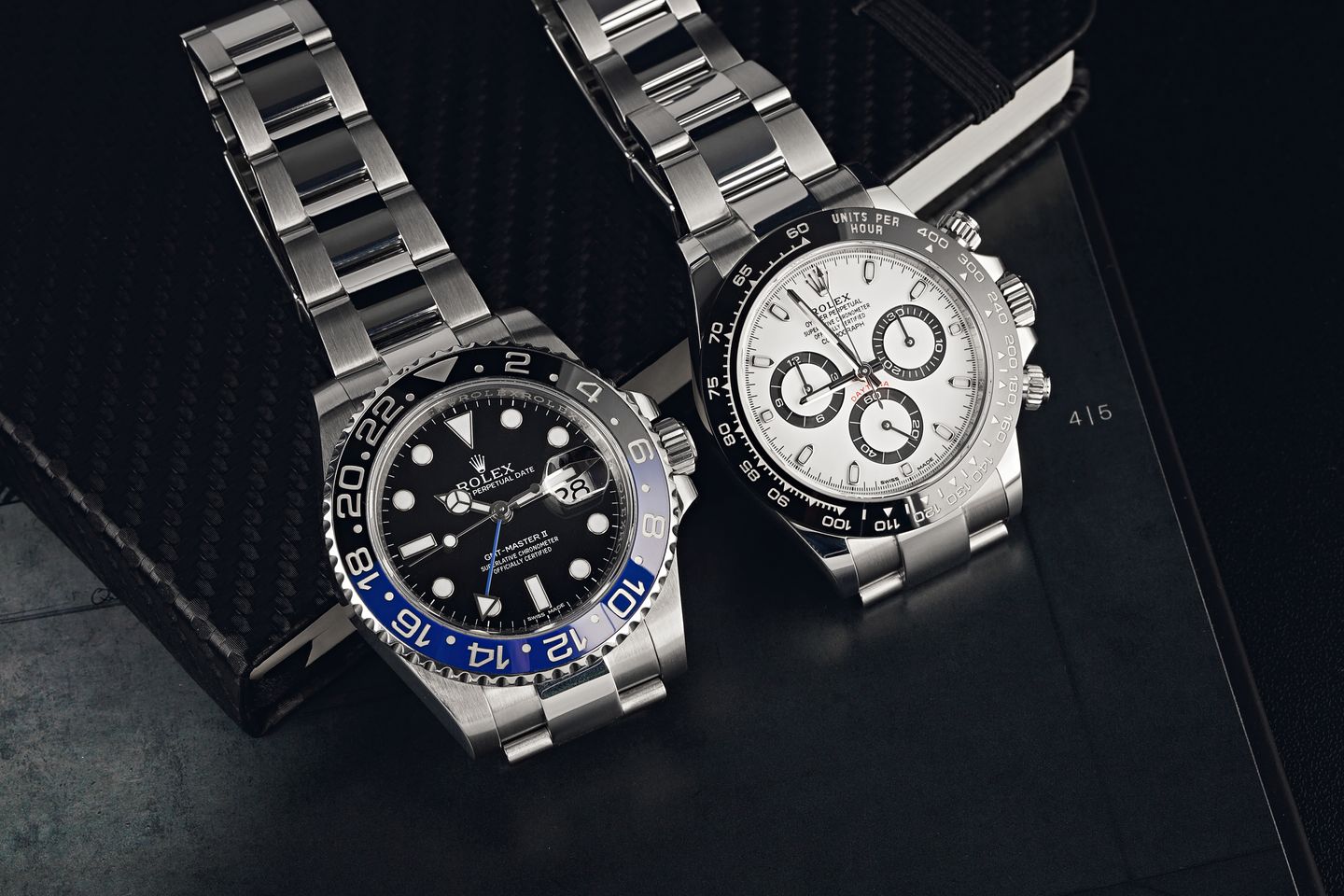
The single greatest risk in the secondary market is the so-called Frankenwatch, a piece assembled from mismatched parts across different production years or, worse, with aftermarket components masquerading as factory original. These watches are often priced attractively because the seller knows informed buyers will discount them, and the buyer who fails to inspect carefully ends up with a hybrid that lacks both collector value and warranty support.
The Rolex caliber 3235 features the Chronergy escapement, which increases energy efficiency by 15% and contributes to a 70-hour power reserve. When inspecting a used modern Rolex, verifying the presence of these high-performance components ensures the movement has not been modified with generic parts. The following checks should be performed in sequence on every candidate watch:
- Confirm the dial is original to the reference by comparing font, lume plot shape, and printing depth against documented examples for that production year.
- Inspect the hands for matching lume color and material; mismatched hand sets are a common sign of partial restoration.
- Verify the bezel insert or Cerachrom bezel matches the reference, with correct font kerning and color tone for the era.
- Open the caseback only through a qualified watchmaker, and confirm the caliber number matches what the reference should contain.
- Check the bracelet end links and clasp codes against the reference; incorrect end links are a frequent indicator of a swapped bracelet.
- Cross-reference the serial number against the production year claimed by the seller, and confirm that all paperwork dates align.
The Rise of the Super Fake

Counterfeit quality has advanced significantly over the past decade, and the so-called super fake category now produces watches that cannot be reliably identified by surface inspection alone. The old advice about checking the smoothness of the seconds hand sweep no longer holds, because high-grade counterfeits use clone movements that mimic the visual cadence of a genuine Rolex caliber. Knowing how to spot a fake Rolex is much more difficult. Surface details like dial printing and bezel font can also be replicated convincingly enough to pass casual scrutiny.
Two practical defenses still work against super fakes. The first is weight and feel: genuine Rolex cases and bracelets are built from Rolex stainless steel 904L Oystersteel or solid gold, and the resulting heft is difficult to replicate exactly with the alloys most counterfeiters use. The second is professional movement authentication, which requires opening the caseback and verifying caliber markings, finishing details, and component geometry against factory references. For any private-market purchase, paying an independent watchmaker to perform a movement check before completing the transaction is money well spent.
What Should You Check Before Buying a Used Rolex?
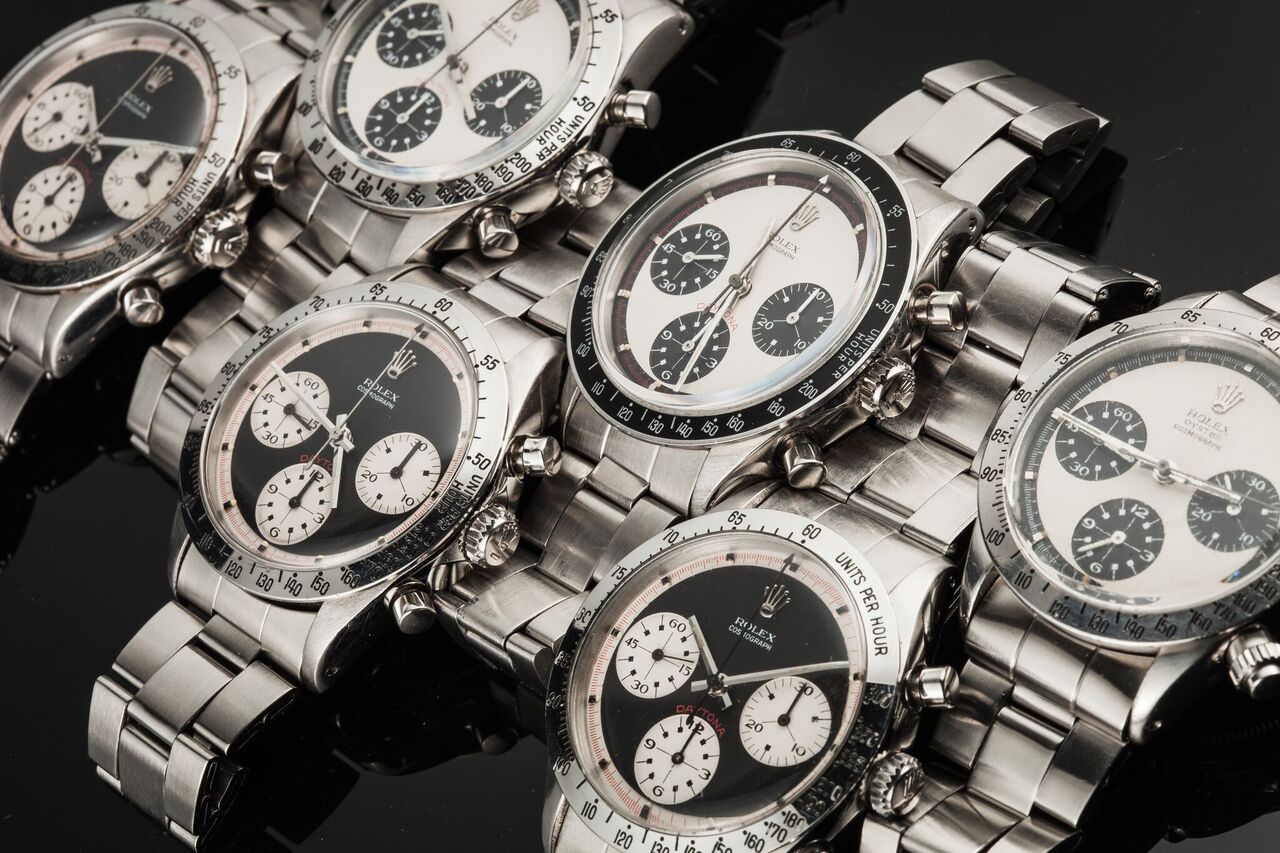
A disciplined inspection process separates a confident purchase from an expensive mistake. The components below carry the most weight in determining authenticity, originality, and remaining service life, and each can be evaluated visually before any movement work is performed.
| Component | What to Inspect | Why it Matters |
| Bezel | Examine the Cerachrom insert under magnification for hairline cracks, chips at the edges, and color uniformity across all numerals. | Cerachrom is scratch-resistant but brittle on impact, and a damaged insert is a costly factory-only replacement. |
| Bracelet | Lay the bracelet flat and look for stretch between links, play in the pin connections, and wear at the clasp folding mechanism. | Stretched bracelets indicate heavy daily wear and reduce both comfort and resale value, and replacement bracelets are expensive. |
| Serial Number | Confirm the case serial number is sharply engraved, period-correct for the reference, and matches the number recorded on the original warranty card. | Mismatched or weakly engraved serials are common indicators of polished cases, swapped components, or outright counterfeits. |
Each of these checkpoints should be cleared before money changes hands. A reputable dealer will welcome the inspection and often performs the same checks internally before listing a watch for sale.
Retail vs. Pre-Owned Rolex Watches
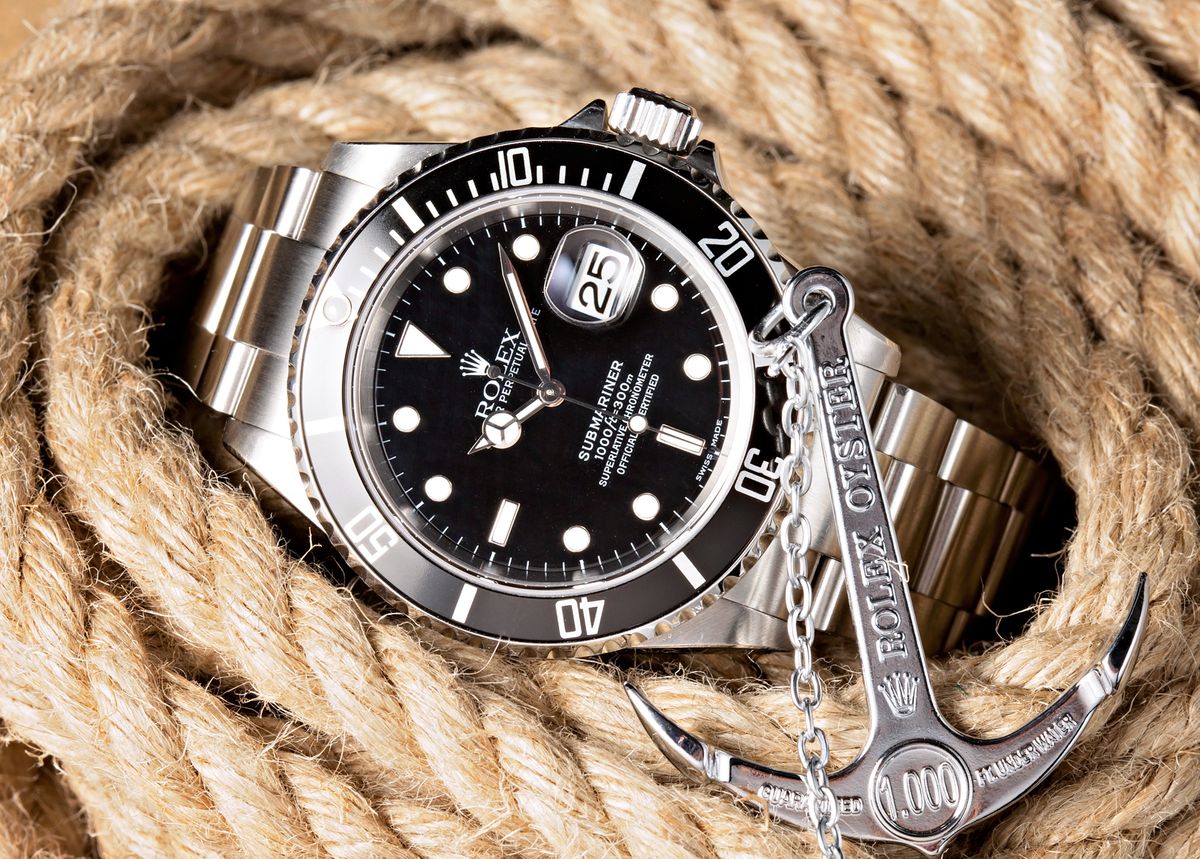
The retail and pre-owned channels serve fundamentally different buyers. Retail buyers prioritize the unboxing experience, current-production references, and the original five-year international guarantee, and they accept waitlists and limited selection in exchange. Pre-owned buyers prioritize availability, selection, and price discovery, and they accept the responsibility of authentication in exchange for a far wider field of choices.
Rolex introduced the first waterproof wristwatch, the Oyster case, in 1926, establishing a century-long standard for case durability that benefits modern pre-owned buyers. This heritage of robust engineering means that even decades-old used models often maintain their chronometric precision and water resistance after a professional service. The practical implication is that a properly serviced pre-owned Rolex performs to the same functional standard as a new one, which is why the price premium for retail rarely correlates to a meaningful performance difference.
Is a Pre-Owned Rolex Worth It?
A pre-owned Rolex is worth it when the buyer values selection, immediate availability, and proven value retention over the retail unboxing experience. Market values for professional models have steadily appreciated over the last five years, and while the secondary market has experienced periods of short-term softening, the brand remains the gold standard for value retention across the luxury watch category. That long-term trajectory rewards buyers who select carefully and hold patiently.
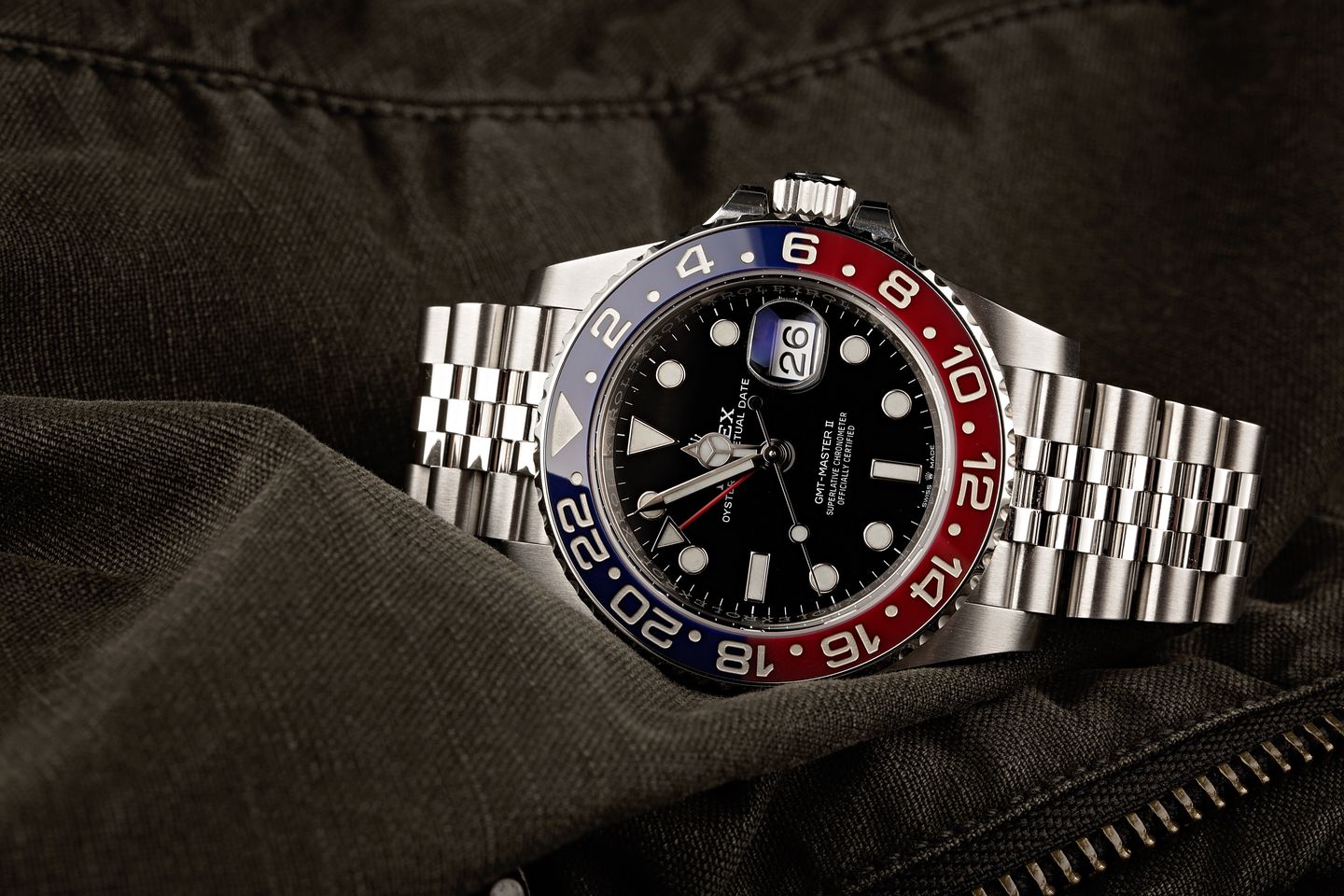
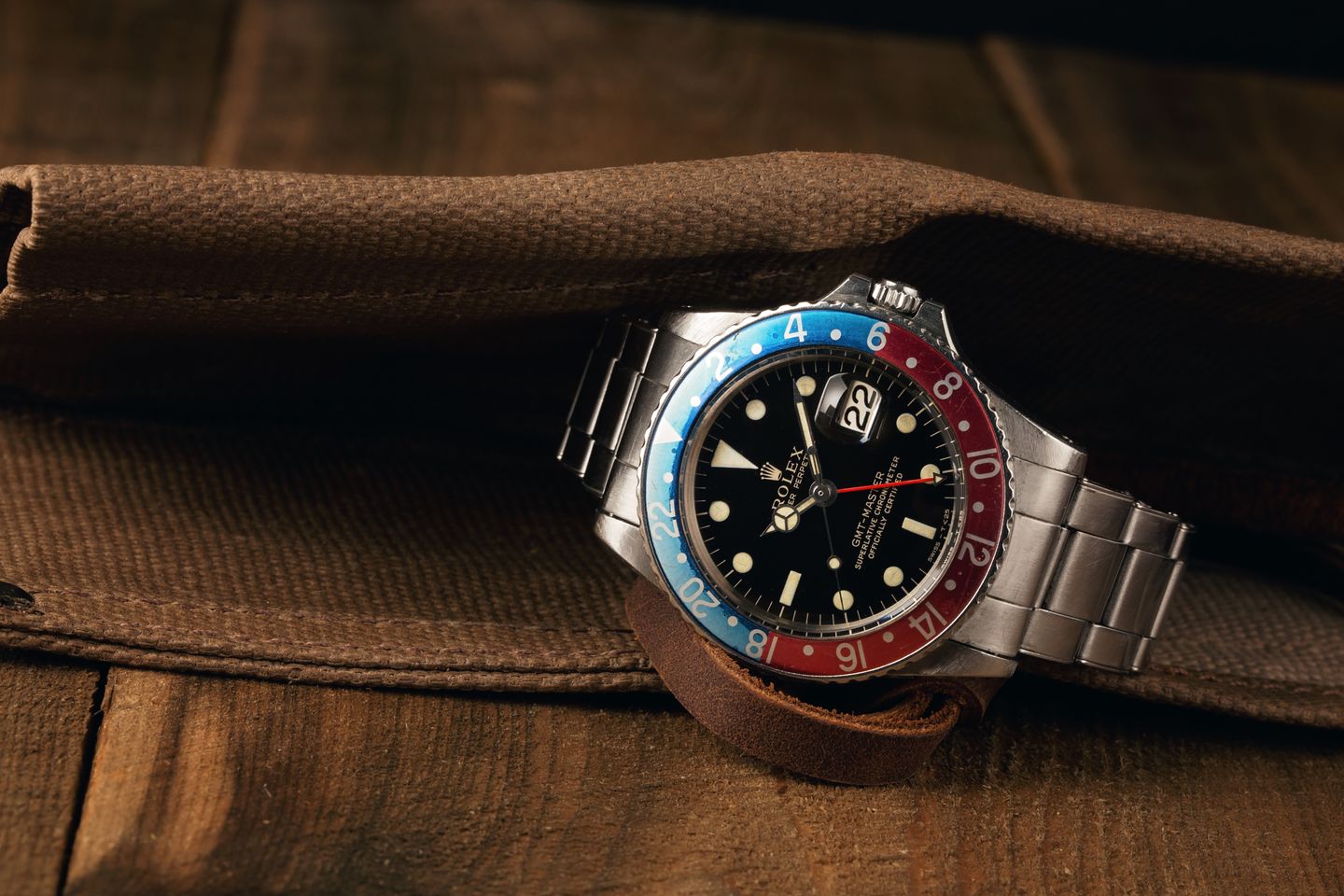
Specific references continue to dominate buyer demand in the current market. The Rolex 69173 Lady-Datejust model and the Rolex 126710 GMT-Master II model remained top-selling references throughout early 2026, and each tells a different story about why pre-owned remains the right entry point: the Lady-Datejust delivers a discontinued case size and two-tone aesthetic that current production no longer matches, while the Rolex 126710 GMT-Master II offers the most popular travel watch in the world without the multi-year wait associated with retail allocation.
The Enduring Value of Secondary Market Rolex Watches
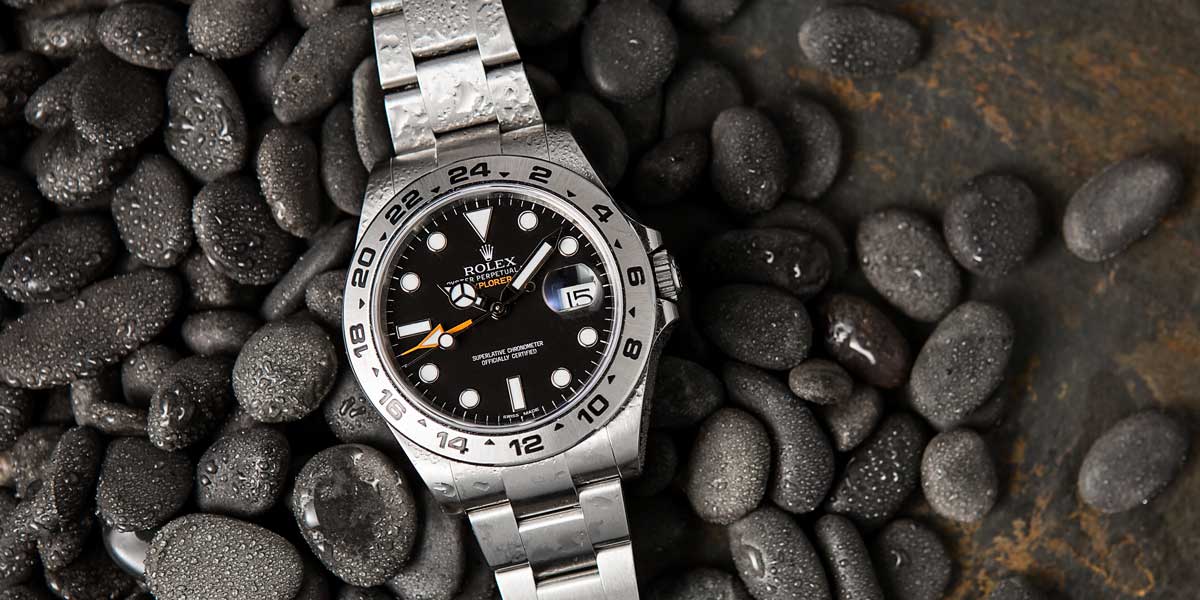
The secondary market is no longer the alternative path to Rolex ownership; for most buyers, it is the primary one. Selection, availability, and value retention all favor the pre-owned channel, and the structural conditions that created those advantages, including disciplined production at the factory level and waitlists at retail, show no sign of reversing. A buyer who approaches the market with disciplined inspection habits and a clear understanding of reference-specific risks can build a collection that performs as both an everyday tool and a long-term store of value.
Bob’s Watches stands as the leading marketplace for authentic, high-quality pre-owned timepieces, and the company’s combination of physical inventory, in-house authentication, and transparent pricing reflects how the secondary market has matured. For buyers looking to acquire a used Rolex watch for sale, a current-production professional model without the wait, or simply a watch that fits a specific budget and use case, the pre-owned path offers a clearer route to ownership than retail can provide.