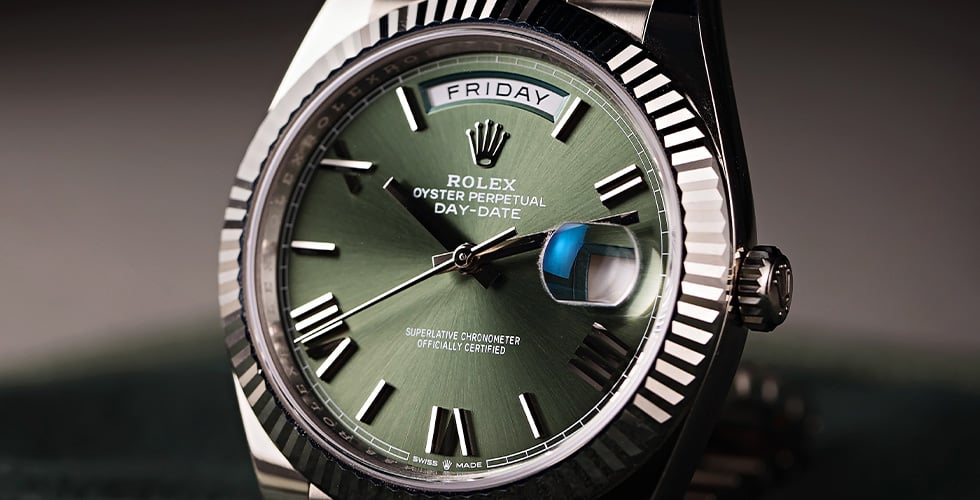

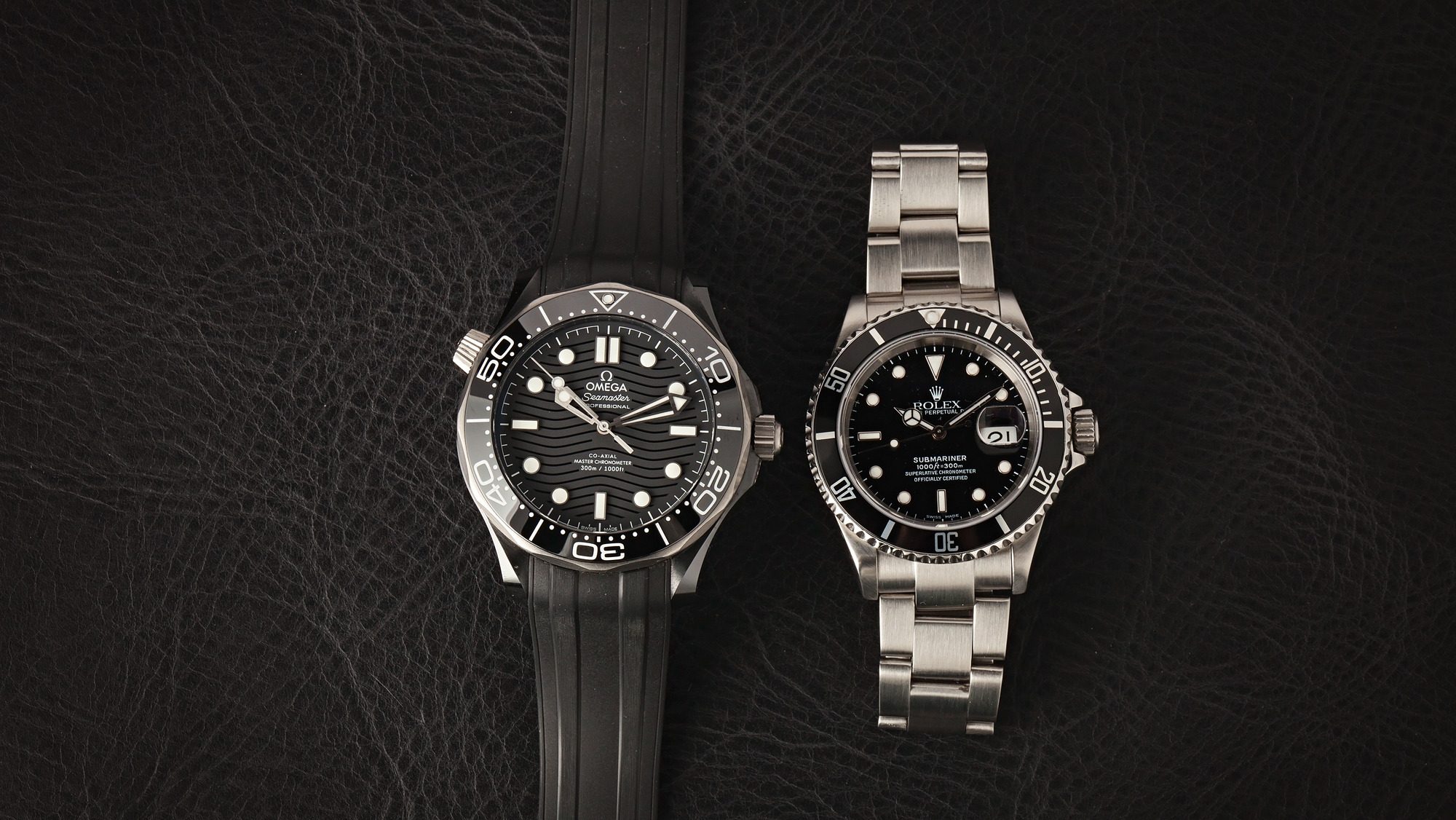
Put the OMEGA Seamaster vs Rolex Submariner and you’re really choosing between two different philosophies. The Submariner has decades of history, resale strength, and a brand name that almost sells itself. The Seamaster relies more on modern technologies, sharper design details, and the simple fact that you can usually walk into a boutique and buy one. They’re both serious dive watches. They just go about it in completely different ways.
Key Takeaways
- Price: The Submariner carries a premium on the secondary market, while the Seamaster is much easier to walk into a store and buy
- Movement: OMEGA’s METAS Master Chronometer certification provides superior anti-magnetic resistance (15,000 gauss) compared to Rolex’s Superlative Chronometer
- Value Retention: The Seamaster initially depreciates after you buy it while the Submariner holds its value much better with significant appreciation down the line
- Availability: Buying a steel Submariner usually means joining a long wait list at authorized dealers, pushing many buyers to the secondary market
This argument has been bouncing around watch forums for years. Scroll through watch forums long enough and you’ll see people arguing over bezel grip, bracelets, even whether magnetic resistance actually makes a difference for everyday watches. Let’s look at what actually separates the two divers to help you decide which one belongs on your wrist.
At a Glance: Submariner vs Seamaster Specs
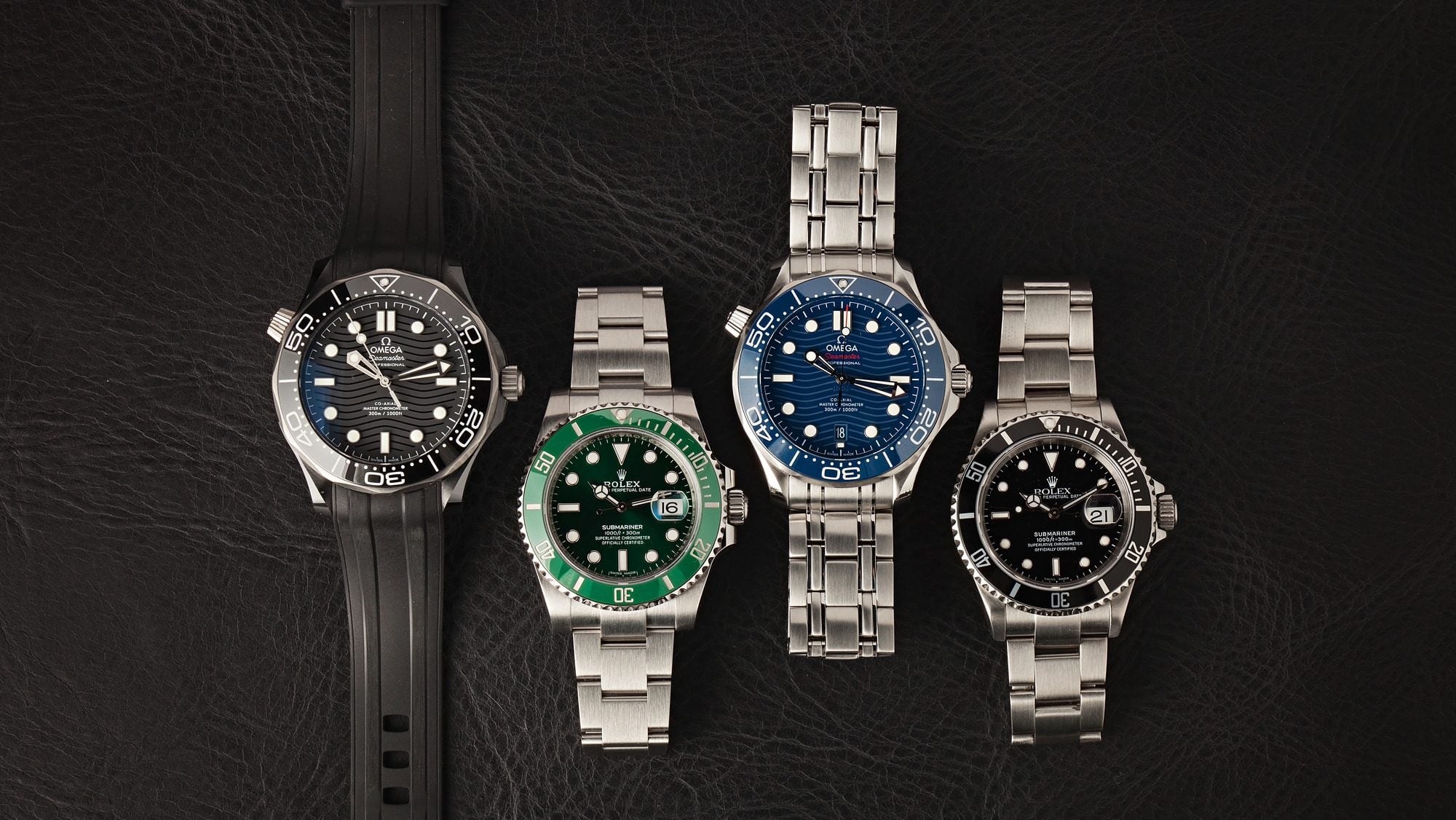
| Specification | Rolex Submariner | OMEGA Seamaster 300M |
| Case Size | 41mm | 42mm |
| Case Material | Oystersteel | 316L Steel / Ceramic |
| Movement | Caliber 3230/3235 | Co-Axial Master Chronometer 8800/8806 |
| Power Reserve | 70 hours | 55 hours |
| Water Resistance | 300m | 300m |
| Bezel | Cerachrom Coin-Edge | Ceramic Scalloped |
| Retail Price (approx.) | $10,050 | $6,300 |
| Secondary Market Price | $12,000-$15,000+ | $4,500-$6,000 |
History and Heritage: Forging the Modern Dive Watch
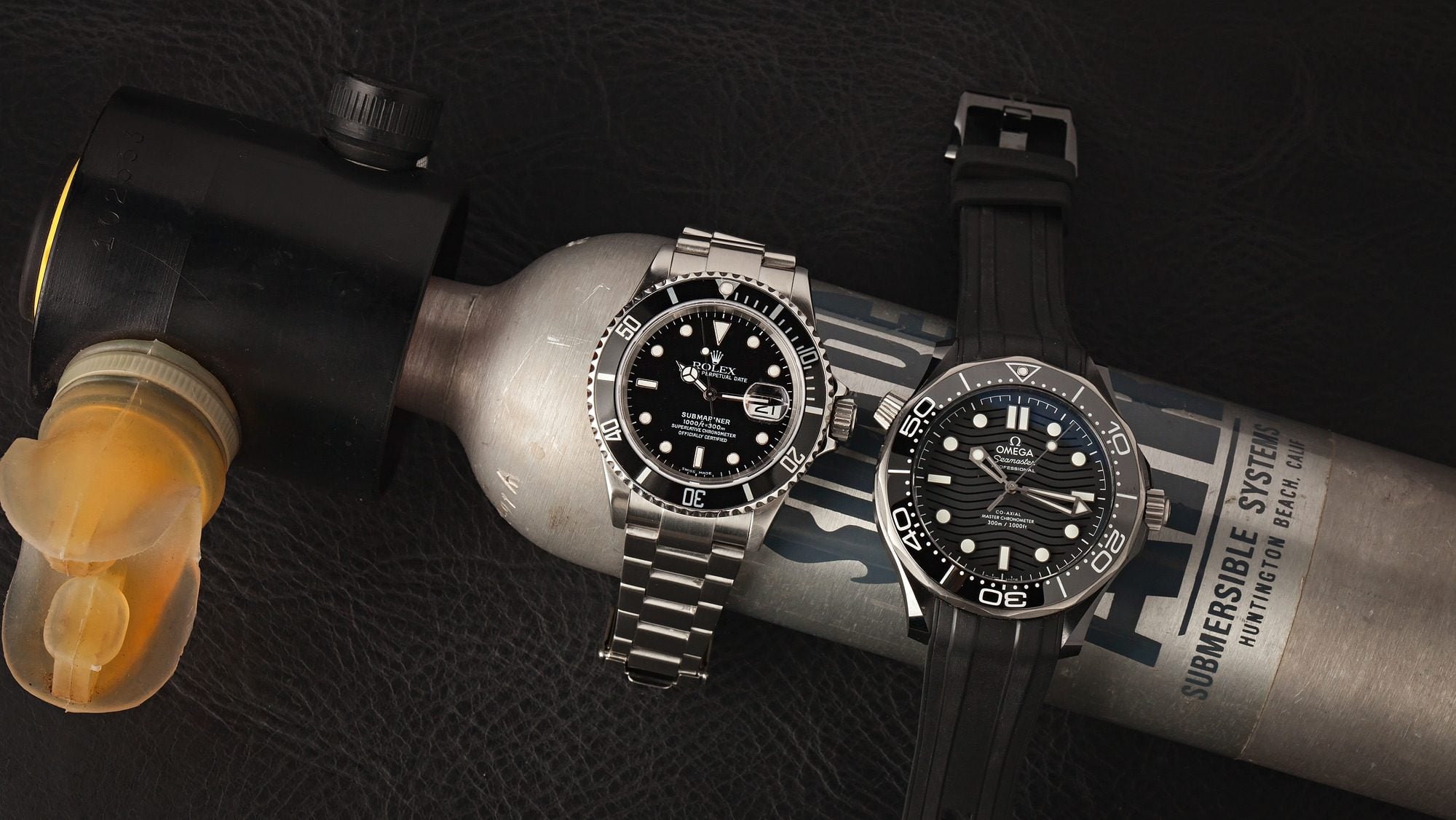
Rolex released the Submariner in the 1950s and, in doing so, pretty much wrote the rulebook for what every modern diver should look like. A rotating bezel, luminescent hour markers, a clean, easy-to-read dial. Every dive watch made after that early era has similar features, and for a good reason. It simply works. From James Bond to naval divers, the Submariner has set the standard for dive watches for decades now and has remained fairly consistent for over 70 years.
The OMEGA Seamaster has been around since 1948, which makes it one of the longest-running watch collections out there. But the version most people think of today, the Diver 300M with the wave dial, didn’t hit the market until 1993. Pierce Brosnan wore it in GoldenEye, and suddenly OMEGA had its own James Bond watch. The blue wave dial and skeleton hands gave it a totally different look from the Submariner. The Seamaster vs Submariner debate picked up steam from there, with fans split between Rolex’s classic approach and OMEGA’s willingness to try new things.
Design, Aesthetics, and Case Proportions
The design differences go deeper than you might think. We’re talking about everything from how the dial catches light to how the watch sits on your wrist. These details actually matter when you’re wearing something every day.
Dial and Hands
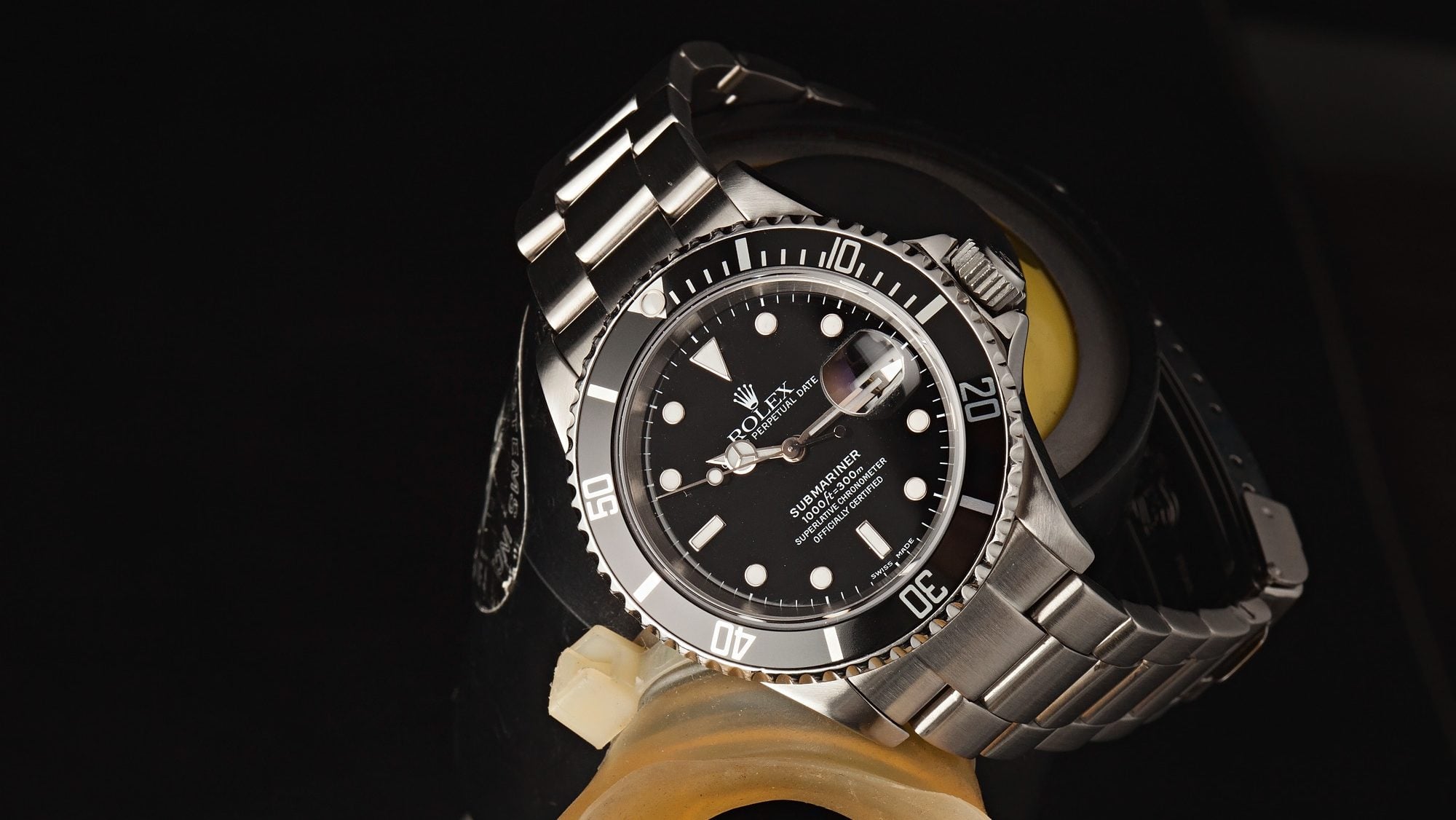
The Submariner has a fairly simple glossy dial with applied hour markers and those Mercedes hands everyone recognizes. The design hasn’t changed much in decades, which is kind of the point. Clean, high-contrast, easy to read. No fuss.
The Seamaster goes a different direction with its laser-engraved wave dial and skeleton hands. That wave pattern catches light in interesting ways throughout the day. That, of course, adds visual depth. The skeleton hands filled with lume look modern and technical. Plus, there’s way more dial color options: black, blue, white, green. Rolex tends to stick with traditional colors like black or blue.
The Bezel Debate

The Submariner’s coin-edge bezel gets a lot of praise, and for good reason. The knurled edges give you solid grip even with wet or gloved hands. The 120-click ceramic Cerachrom insert moves with precision and feels great. It’s functional in a way that just works.
The Seamaster’s scalloped bezel looks fantastic. The wave-pattern edge matches the dial nicely and gives the watch a very unique profile. But here’s the thing: it’s harder to grip than the Submariner’s coin-edge design. You’ll see this complaint pop up a lot on watch forums. The ceramic insert itself works great, but those scalloped edges divide people.
Case Size and Wearability
The current Submariner 126610 measures 41mm wide and 12.5mm thick. Thanks to the slim, tapering lugs, it hugs your wrist really well. Works on wrists from about 6.5 inches up to 7.5 inches and beyond. It wears true to size, maybe even a touch smaller.
The Seamaster Diver 300M is 42mm across and 13.6mm thick. It wears bigger than those numbers suggest. The lugs don’t taper, so they stick out more, and the whole thing has a chunkier presence on the wrist. If you want a substantial, modern dive watch, that’s a plus. If you prefer something that disappears under a cuff, the Submariner wins.
Movement and Technical Performance

This is where OMEGA usually shows off. The OMEGA Seamaster diver 300m vs Rolex Submariner movement comparison shows two totally different approaches to what makes a great watch movement.
Rolex puts the Caliber 3235 (or 3230 in the no-date version) in the Submariner. It’s certified as a Superlative Chronometer, which means it runs within +2/-2 seconds per day after they put it in the case. That beats standard COSC specs. It has 70 hours of power reserve, so you can take it off Friday night and put it back on Monday morning without winding. Rolex builds these movements to last forever, keeping tight control over every part of the process.
OMEGA’s Caliber 8800 has METAS Master Chronometer certification, which is one of the toughest testing standards around. It runs at 0 to +5 seconds per day and handles magnetic fields up to 15,000 gauss. Most watches start having problems around 60-100 gauss. Even Rolex’s Parachrom hairspring only protects to about 1,000 gauss. The Seamaster’s 55-hour power reserve doesn’t match the Submariner’s 70 hours, but it’s still plenty for weekend wear.
Key Movement Specifications:
- Rolex Caliber 3235: Superlative Chronometer certified, +2/-2 seconds per day, 70-hour power reserve, Parachrom hairspring
- OMEGA Caliber 8800: METAS Master Chronometer certified, 0 to +5 seconds per day, 55-hour power reserve, 15,000 gauss magnetic resistance
- Power Reserve: Rolex leads with 70 hours vs OMEGA’s 55 hours
- Magnetic Resistance: OMEGA dominates with 15,000 gauss vs Rolex’s approximately 1,000 gauss
- Caseback: OMEGA offers display sapphire, Rolex uses solid steel
OMEGA’s divers have a display sapphire caseback so you can see the decorated movement with its Geneva waves and rhodium plating. Rolex sticks with a solid steel caseback. Different philosophies: OMEGA wants to show off the movement, Rolex prioritizes water resistance and durability over exhibition.
Bracelets, Straps, and Daily Comfort

The bracelet can make or break how you feel about a watch. You’re going to be wearing it all day, so comfort and adjustability really matter.
Rolex Oyster Bracelet:
- Pros: Industry gold standard construction, Glidelock extension system for tool-free micro-adjustments in 2mm increments, Easylink adds 5mm for quick changes, exceptional fit and finish, perfect for daily wrist size fluctuations
- Cons: Limited styling variety, steel-only option on standard models, premium pricing
- OMEGA Seamaster Bracelet:
- Pros: Distinctive 5-link non-tapering design, excellent OEM rubber strap options that transform the watch, white dial on black rubber particularly popular (reference 210.32.42.20.04.001), maintains factory quality across all strap options
- Cons: Non-tapering 90s-style design divisive among collectors, clasp extension system less convenient than Glidelock, lacks tool-free adjustability
Pricing, Availability, and Value Retention
The OMEGA Seamaster vs Rolex Submariner price difference is huge, and it matters. Want to buy a steel Submariner at retail? Get ready to join a waiting list. We’re talking months, sometimes years, depending on your purchase history with the dealer. Most people end up going to the secondary market, where you’ll pay well over the retail price of $10,050 (no date)/$11,350 (date). Looking at sales data from 2014 to 2025, the hot references are the modern 126610, the previous generation 116610, and the classic aluminum bezel 16610. These sell for $12,000 to $15,000 or more on the pre-owned market. That’s not just scarcity pricing, these watches actually appreciate.
The Seamaster? Totally different story. Walk into an OMEGA dealer and you can buy one right now at the retail price of around $6,300. The pre-owned market has plenty of stock at discounts, usually trading between $4,500 and $6,000. Sales data shows strong demand for the titanium No Time to Die edition (reference 210.90.42.20.01.001) and the white dial versions (references 210.30.42.20.04.001 and 210.32.42.20.04.001). If you want a great watch without paying over MSRP, the Seamaster delivers.
Popular Alternatives to Consider
Rolex Submariner vs OMEGA Seamaster 300 Master Co-Axial

The vintage-inspired Seamaster 300 works well if you like OMEGA’s movement tech but want a little bit of a cleaner design. This Heritage collection model dumps the wave dial for a more traditional look. It has broad arrow hands and classic styling that competes directly with the Submariner’s timeless vibe, while keeping all of OMEGA’s cutting-edge movement technology.
OMEGA Seamaster Planet Ocean vs Rolex Submariner

The Planet Ocean is OMEGA’s serious dive watch, rated to 600 meters compared to the 300-meter rating on both the Submariner and Seamaster 300M. It’s got a helium escape valve and beefier construction. Really, it competes more with the Rolex Sea-Dweller than the standard Submariner. If you want maximum capability in a professional dive watch, this is it. Just know it wears bigger and heavier.
Tudor Black Bay / Pelagos

Tudor is the middle ground option. It’s Rolex’s sister brand, so it still has that family heritage and quality at prices below both the Submariner and Seamaster. The Black Bay line has vintage-inspired designs with modern movements. The Pelagos is a contemporary titanium dive watch at an accessible price. If you want Swiss dive watch excellence without the Rolex or OMEGA price tag, Tudor makes a lot of sense.
Final Verdict: Deciding Between the Rolex Submariner vs OMEGA Seamaster 300m
Which one’s better depends on what you want. If you’re after an instantly recognizable status symbol that holds or increases its value over time, get the Submariner. The scarcity, history, and Rolex name create something that’s more than just a watch. It’s a statement piece and an investment.
If you want cutting-edge watch technology, serious anti-magnetic resistance, and the ability to walk in and buy one without paying over retail, go with the Seamaster. Whether you’re looking to invest in Rolex’s legacy or want OMEGA’s technical brilliance in your collection, Bob’s Watches has a huge, authenticated inventory of both watches ready for immediate delivery.