When it comes to choosing a luxury watch, the movement inside the case matters just as much as the dial on the outside. At its core, the difference is straightforward: a quartz movement runs on battery power and uses a vibrating crystal to keep time with exceptional accuracy, while an automatic movement is a self-winding mechanical system powered entirely by the motion of your wrist.
Both options have genuine merit, and neither is universally “better.” Quartz earns the edge in precision and everyday practicality, while automatics hold the advantage in craftsmanship, history, and long-term value. Understanding how each one works, what it costs to own, and what kind of wearer it suits best will help you make a decision you won’t second-guess.
Key Takeaways:
- Accuracy: Quartz movements typically run within ±15 seconds per month. Automatics can drift up to ±5 seconds per day.
- Power source: Quartz relies on a battery (or solar energy). Automatic movements need no battery at all.
- Maintenance: Quartz requires a battery change every 3 to 5 years. Automatics need a full service every 5 to 8 years.
- Best for: Quartz suits people who want reliable daily accuracy with minimal upkeep. Automatics appeal to enthusiasts, collectors, and anyone looking for a timepiece to pass down.
What Is a Quartz Movement? Precision Powered by Science
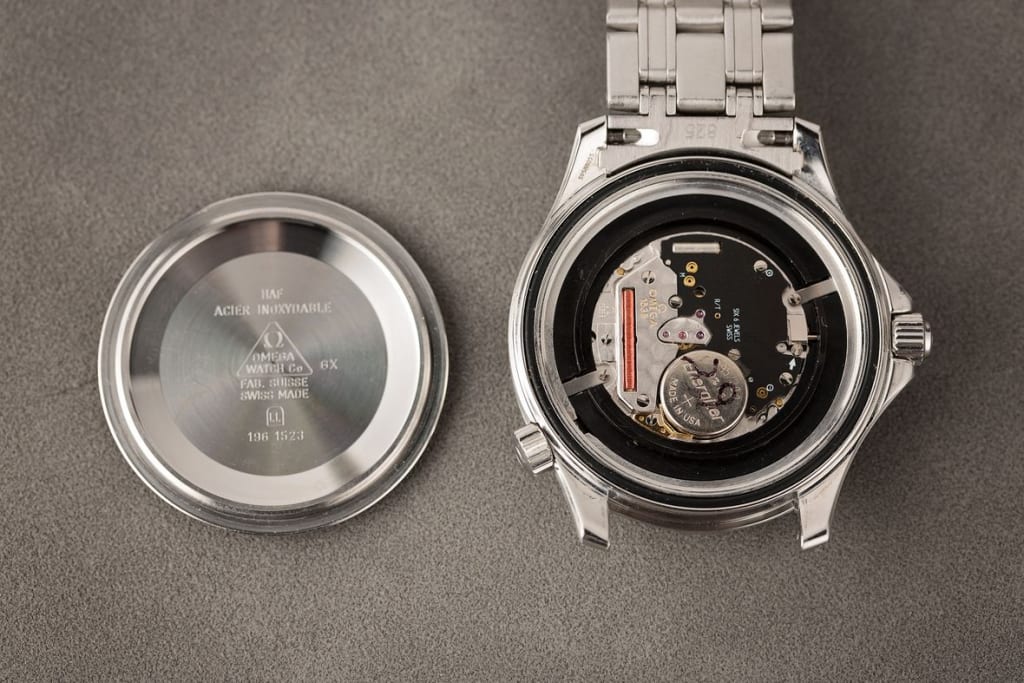
Quartz movements changed the watch industry permanently and remain the dominant movement type in watches sold worldwide today. Some of the best quartz watches combine modern electronic engineering with extreme timekeeping reliability, all at a price point that covers everything from entry-level daily wearers to high-end dress watches.
The story behind quartz is worth knowing, because it shapes how the entire industry views these movements today.
The History of the Quartz Revolution
The quartz watch was commercially introduced by Seiko in 1969 with the Astron, the world’s first quartz wristwatch. Its release sent shockwaves through the Swiss watch industry, which had built its reputation on mechanical craftsmanship for centuries. Within a decade, inexpensive and highly accurate quartz watches flooded the global market, causing mass layoffs and factory closures across Switzerland. This period became known as the “Quartz Crisis,” and it reshaped who made watches, how they were sold, and what consumers expected from a timepiece.
Swiss manufacturers eventually recovered by repositioning mechanical watches as luxury objects and cultural artifacts rather than pure tools for telling time. That distinction still defines how both movements are perceived today.
How a Quartz Movement Works
A quartz movement operates through a precise chain of components working together:
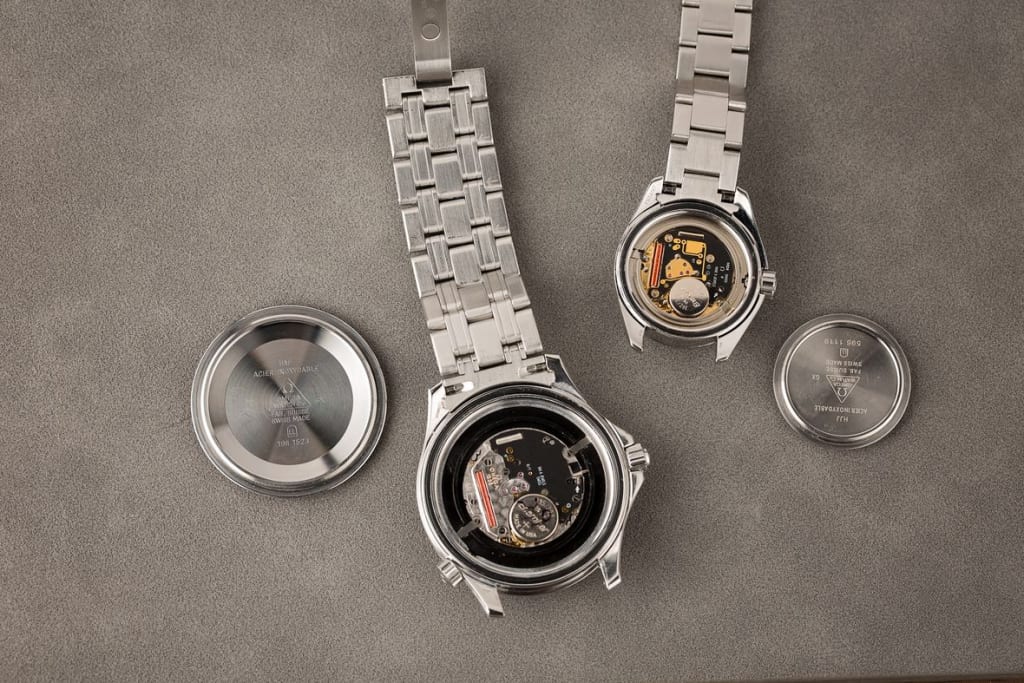
- A battery sends an electrical current through a small quartz crystal.
- The crystal vibrates at exactly 32,768 times per second, a frequency chosen because it divides evenly down to one pulse per second.
- A microchip counts those vibrations and converts them into regular electrical pulses.
- Those pulses drive a tiny stepping motor that moves the watch’s hands, one tick at a time.
That individual tick is what gives quartz watches their characteristic sound and visual cadence, with the seconds hand jumping in discrete steps rather than sweeping smoothly.
Pros and Cons of Quartz
Pros:
- Exceptional accuracy, typically within ±15 seconds per month
- Lower purchase price at most market segments
- Durable construction with fewer moving parts and more resistance to shock
- Low maintenance requirements, just a battery change every few years
- No need to wear or wind the watch to keep it running
Cons:
- The stepping seconds hand is seen as less prestigious by enthusiasts
- Batteries require periodic disposal, which raises environmental questions
- Lacks the visual and tactile appeal of a mechanical movement
- Generally lower collector and resale value compared to equivalent automatics
What Is an Automatic Movement? The Art of Kinetic Energy
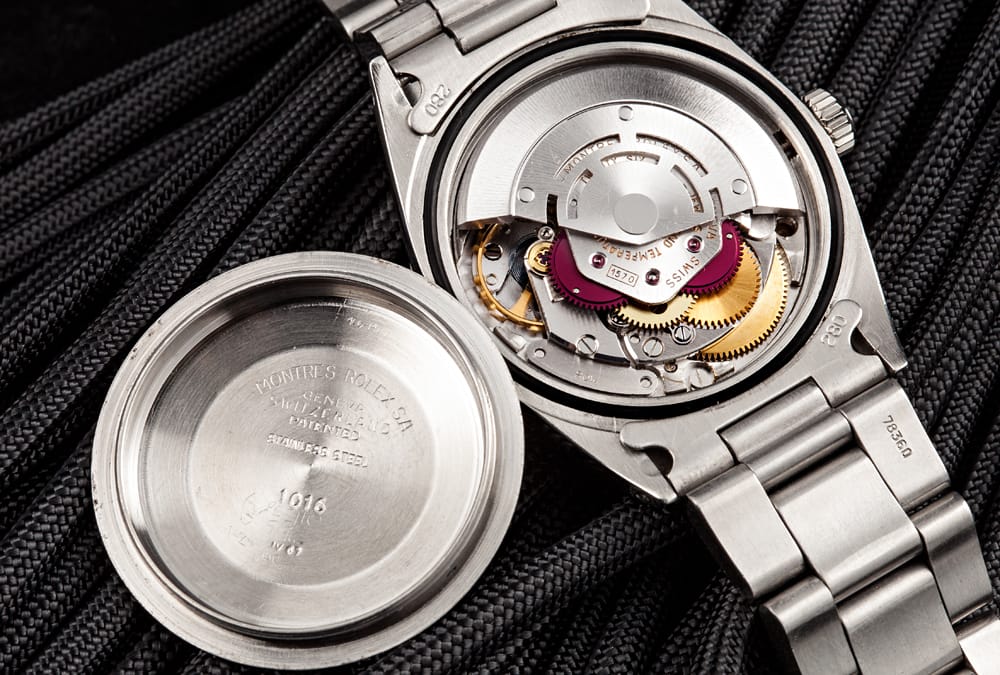
An automatic watch is a mechanical instrument, one built entirely from gears, springs, levers, and jewels, with no electronics involved. Where quartz is the product of modern science, automatic watchmaking is the product of centuries of craft tradition, refined incrementally by generations of watchmakers and engineers.
Understanding what makes an automatic work, and how it differs from other mechanical movements, gives you a much clearer sense of what you are actually buying.
The Engineering of Self-Winding Watches
The defining feature of the best automatic watches is the rotor, a semicircular weighted component that sits behind the movement and swings freely as your wrist moves. Each swing of the rotor transfers energy through a series of gears to wind the mainspring, a coiled metal spring that stores mechanical energy. As the mainspring slowly unwinds, it drives the watch’s gear train, which in turn moves the hands.
This system means a watch worn regularly will essentially wind itself during normal daily activity. No battery is needed. The movement is entirely self-contained, a closed mechanical system. Most automatic movements carry a power reserve of 38 to 72 hours, which means a watch left sitting unworn will eventually stop, and will need to be worn again or manually wound to restart.
Mechanical vs. Automatic: What Is the Difference?
These two terms are often used interchangeably, but they refer to distinct things. When trying to distinguish beween mechanical vs automatic watches, it is helpful to note that all automatic watches are mechanical, but not all mechanical watches are automatic.
- Manual wind (hand-wound): The wearer winds the crown by hand, typically every day or two, to maintain power.
- Automatic (self-winding): The rotor winds the mainspring automatically during normal wear, with manual winding available as a backup.
Both types use the same fundamental mechanical architecture. The automatic simply adds the rotor system on top of it.
Pros and Cons of Automatic
Pros:
- Smooth, continuously sweeping seconds hand
- No battery required, ever
- High craftsmanship and collector appeal
- Strong resale and heirloom value
- Many models feature exhibition casebacks that show the movement in action
Cons:
- Higher purchase price across most market segments
- Less accurate than quartz, with typical tolerances of ±5 seconds per day (though COSC-certified movements are held to stricter standards)
- Requires professional servicing every 5 to 8 years
- Needs regular wear or a watch winder to stay running
Side-by-Side Comparison: Quartz vs. Automatic
| Feature | Quartz Movement | Automatic Movement |
| Power Source | Battery or solar | Kinetic wrist motion |
| Accuracy | ±15 seconds/month | ±5 seconds/day |
| Seconds Hand | Individual ticks | Smooth sweep |
| Maintenance | Battery change (3 to 5 years) | Full service (5 to 8 years) |
| Complexity | Electronic circuit | Intricate gear and spring system |
| Cost | Budget to mid-range | Mid-range to luxury |
| Resale Value | Generally lower | Generally higher |
| Environmental | Battery waste | No battery required |
Maintenance and Longevity: The Total Cost of Ownership
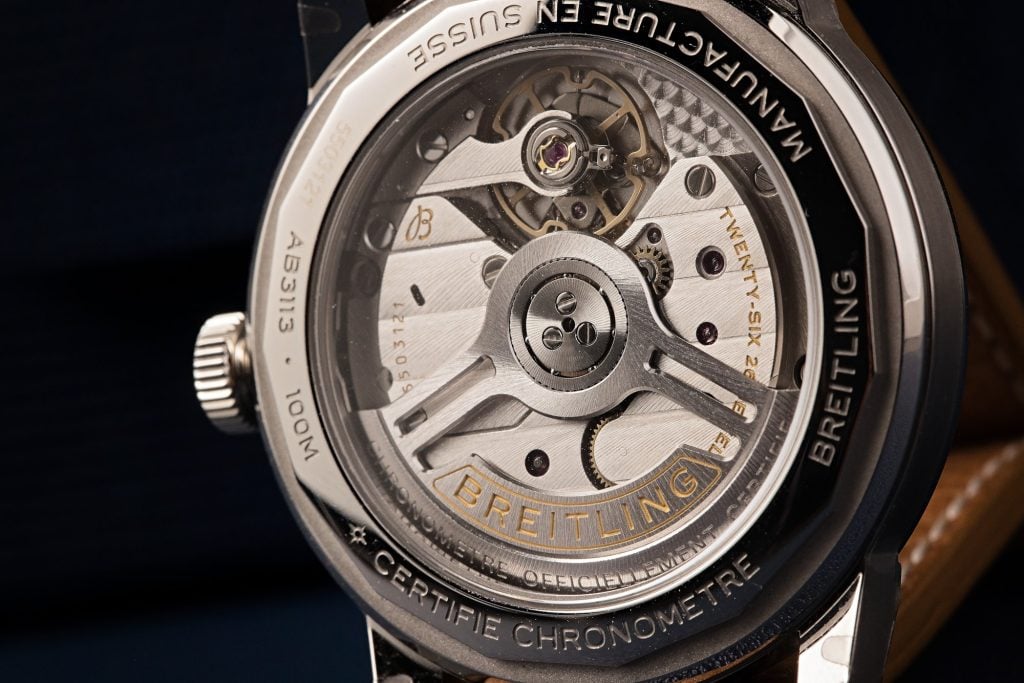
The sticker price on a watch is only part of the equation. How much it costs to maintain over years of ownership is equally worth considering. Both movement types require some level of care, but the nature and cost of that care differ considerably.
The Quartz Grab-and-Go Lifestyle
Quartz watches are, by design, low-maintenance. The primary recurring expense is a battery replacement, which typically runs between $10 and $20 at a watch shop and needs to be done every 3 to 5 years. The movement itself is sealed and rarely needs professional attention under normal use. Brands like Citizen have taken this a step further with solar-powered quartz technology, such as the Eco-Drive line, which converts any light source into energy and can eliminate battery changes entirely for years at a time.
This “set it and forget it” quality makes quartz an especially practical choice for people who rotate between multiple watches or buy a timepiece strictly as a daily tool. Fewer moving parts also means less mechanical wear and a generally more resilient movement in the face of shocks, drops, and changes in temperature.
The Luxury Care of Automatics
Automatic movements require more structured maintenance. The oils that lubricate the movement’s gears and jewels degrade over time, the gaskets that seal the case against water and dust need replacement, and the movement’s rate accuracy can drift and require regulation. A full service, performed by a certified watchmaker, typically costs between $200 and $800 or more depending on the brand and complexity of the movement. We have an entire article with more details on how much does it cost to servie a Rolex for more details.
This cost should be factored in when comparing total ownership price over a decade or more. That said, a properly maintained automatic watch can last for generations. A well-serviced Rolex or Patek Philippe from 30 years ago can still run accurately today. Quartz watches, by contrast, can become difficult to service as electronic components or circuit boards are discontinued over time. For long-term ownership, the automatic often proves more durable in the very long run.
Aesthetics and “The Sweep”: Why Movement Matters to Enthusiasts
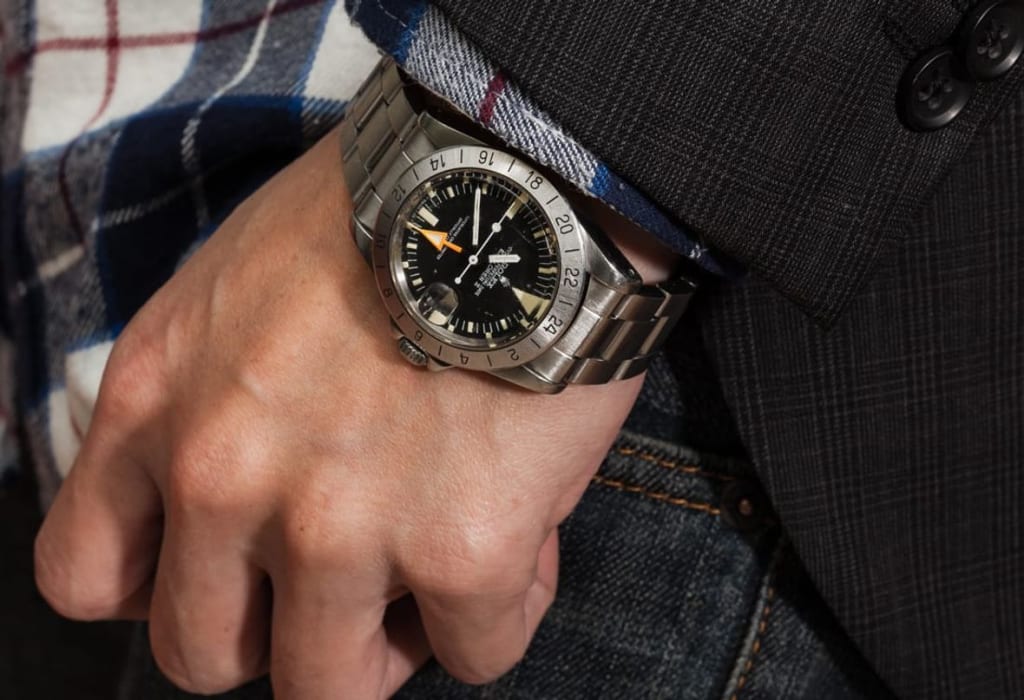
For many collectors, the choice between quartz and automatic comes down to something that is difficult to quantify: how the watch feels to wear and watch. A quartz seconds hand advances in sharp, individual ticks, each step separated from the last. An automatic seconds hand glides in a continuous arc, smooth and fluid with each turn of the dial.
That sweeping motion is one of the most visually distinctive qualities of a mechanical watch, and it carries real emotional weight for enthusiasts. Many describe watching the seconds hand of an automatic as seeing proof that the watch is alive, a self-contained mechanism ticking away under its own stored energy. This feeling is amplified further by the exhibition caseback, a feature found on many automatic watches where the display back is made of sapphire crystal, leaving the movement fully visible from the rear. Watching the rotor spin and the gear train advance is a major part of the appeal. Quartz movements rarely feature this design, and when they do, there is little visible movement to observe.
Which Should You Choose? Real-World Scenarios

There is no single answer that works for every buyer. The right movement depends on how you wear your watches, what you value in a timepiece, and what role you want it to play in your life.
The Professional and Tactical User
If you wear one watch every day, need it to be accurate without any adjustment, and do not want to think about winding or service intervals, quartz is the practical answer. Pilots, divers, and tactical professionals have long relied on quartz movements precisely because they will not drift on a critical mission. A quartz watch set this morning will still be accurate to within a few seconds this time next month, with no winding required.
For these buyers, brands like Casio G-Shock or Citizen Promaster offer quartz movements paired with military-grade durability. Accuracy is a given. Focus goes to case construction, water resistance, and legibility.
The Heirloom Seeker
If you are buying a watch to wear for decades, and potentially pass on to the next generation, an automatic is the natural choice. The mechanical watch has an almost unmatched history of longevity when maintained correctly. A vintage Rolex Submariner from the 1960s or 1970s, properly serviced, still commands serious value and keeps reliable time today.
This is precisely why the luxury watch market overwhelmingly favors automatic movements. The watch becomes an object with history, a piece of craftsmanship with a documented story. As Rolex has long demonstrated through its COSC-certified calibers, accuracy and mechanical sophistication are not mutually exclusive, though they do come at a price.
The Budget-Conscious Collector
Not everyone is ready to invest in a five-figure automatic from day one, and that is completely fine. Some of the most accurate and well-built watches in the world use quartz movements and retail for a few hundred dollars. Brands in the Longines VHP line, for example, offer high-frequency quartz that rivals even some high-end mechanicals in accuracy. These watches are legitimate entry points for collectors who want quality on a controlled budget, with room to expand the collection over time.
A quartz watch can also complement an automatic collection rather than compete with it. Many seasoned collectors keep one quartz watch as a reliable travel companion or sport piece, reserving their automatics for occasions where the craftsmanship deserves attention.
Making Your Move: A Timeless Investment
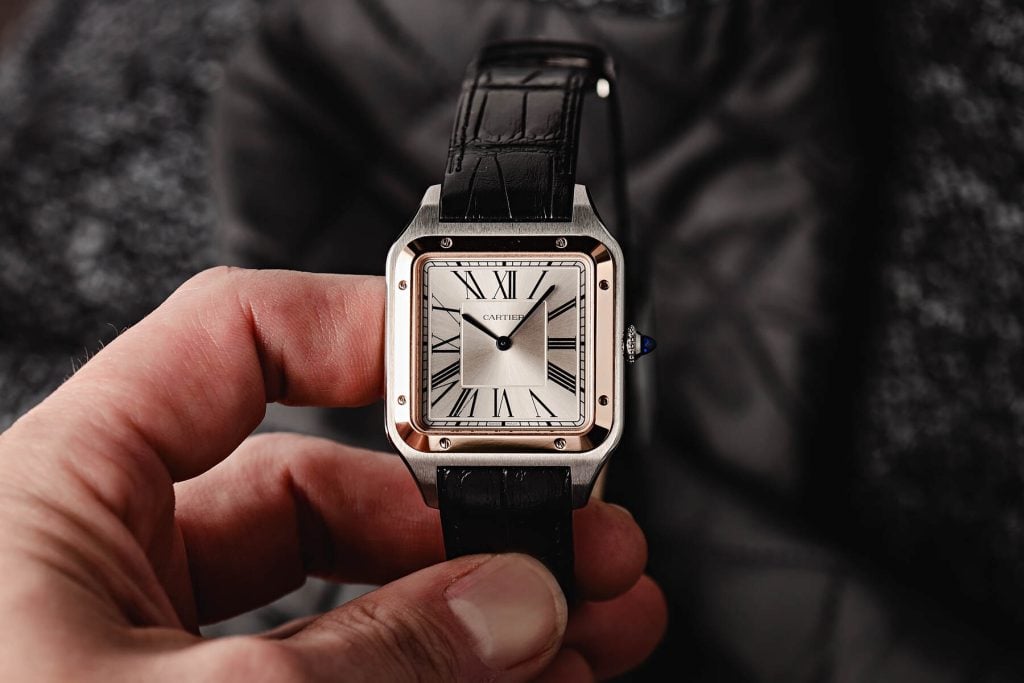
Neither quartz nor automatic is the objectively superior choice. What matters is which one aligns with the kind of wearer you are, and the relationship you want to have with your watch. Quartz is the movement for those who value precision, simplicity, and everyday reliability. Automatic is the movement for those who value craft, history, and the pleasure of owning something genuinely intricate.
For many collectors, the answer over time is both. A well-rounded watch collection often includes a trusted quartz piece for utility and one or more automatics for the moments that call for something more. For those ready to explore the automatic side of that equation, Bob’s Watches carries an extensive selection of pre-owned luxury timepieces, including certified pre-owned Rolex watches with COSC-rated automatic calibers across a range of references, dial configurations, and price points. Whether you are buying your first luxury automatic or adding to an existing collection, the luxury watch category page is a strong place to begin.