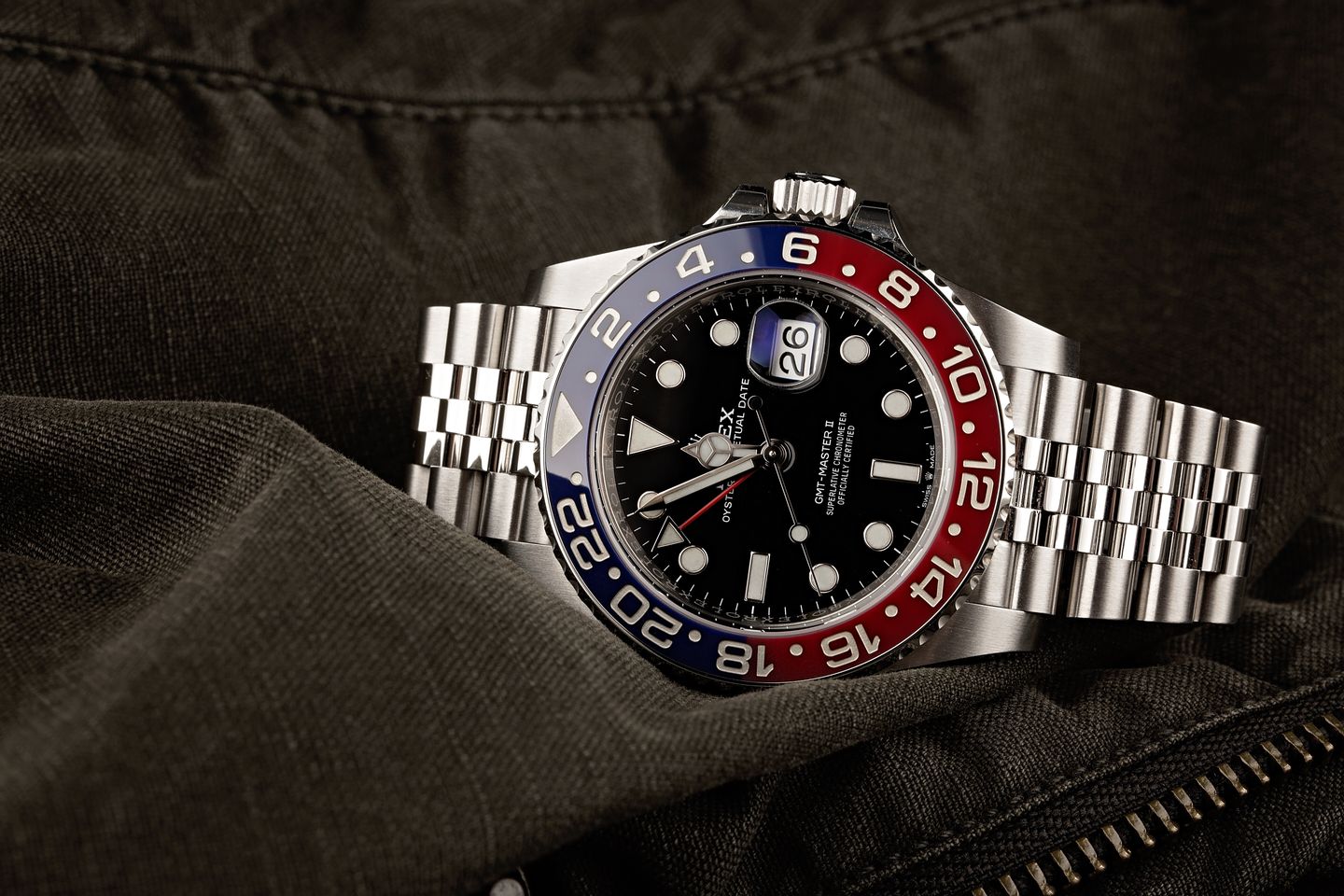
If you’ve ever examined a Rolex Submariner or GMT Master II, you’ve likely noticed the distinctive three-pointed hour hand that has become synonymous with the brand’s professional watches. Over the years, this iconic “Mercedes hand” design has sparked countless theories about its origins, from supposed connections to the German automaker to symbolic representations of Rolex’s dominance across land, sea, and air. However, the true story behind this famous design element is far less glamorous than the myths suggest. Rather than brand partnerships or grand symbolism, Rolex adopted the triskelion shape for purely practical reasons: enhanced legibility and superior lume retention, making it an essential feature on professional dive watches where accurately reading the time can be a matter of safety.
Key Takeaways:
- Function, Not Flattery: The design maximizes luminous material coverage while providing structural support to prevent cracking or flaking.
- Readability: The unique shape allows instant differentiation between the hour, minute, and GMT hands, vital for professional use in low light or underwater.
- No Car Connection: Rolex only refers to them as “Mercedes-style” hands, and there’s no partnership or historical link to Mercedes-Benz. The name was coined by the watch community due to visual resemblance.
- Historical Debut: The hands first appeared on the Rolex Explorer Ref. 6150 in 1953.
- Evolutionary Design: The design likely evolved from the earlier Cathedral hands style, adapting it for superior lume stability.
Rolex is often held to be one of the most secretive brands regarding its design choices. However, years of examination by horologists and collectors have uncovered the simple functional reality behind this famous design choice. By taking a look at the history of Rolex, as well as the demands that it places on these watches, we can dispel the myths surrounding this iconic timepiece and understand the simple engineering brilliance of the three pointed hour hand.
The Real Reason for Mercedes Hands
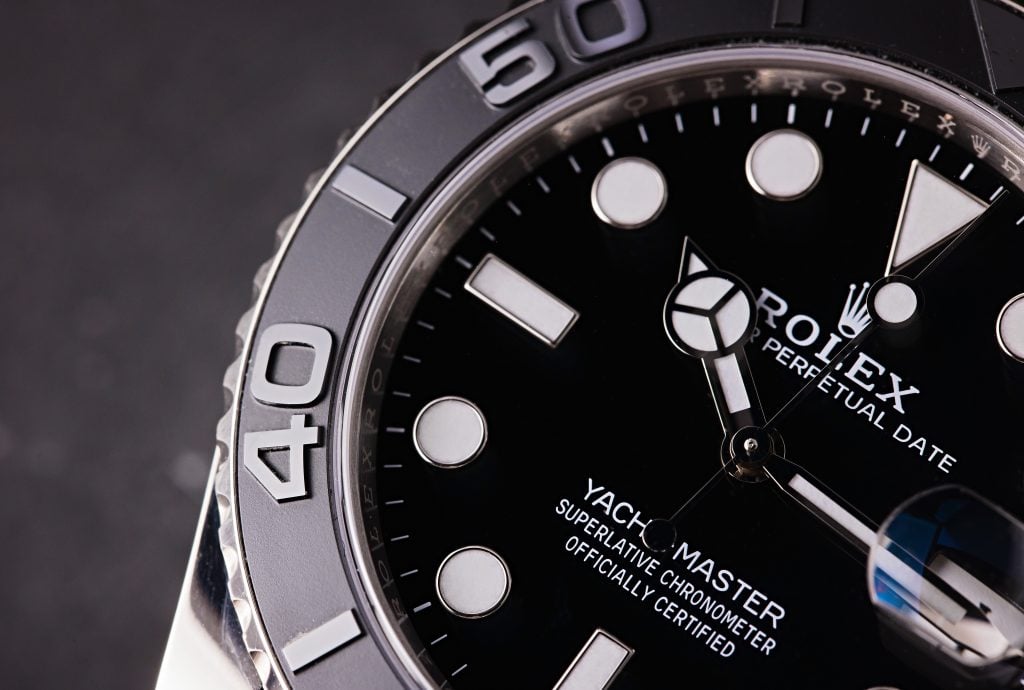
The Mercedes hand is an example of Rolex’s utilitarian approach to watch design in extreme conditions. Instead of being aesthetic embellishments or brand markers, each element in this design addresses a technical issue.
Superior Lume Retention and Structural Stability
Early professional dive watches faced a persistent problem with luminous material. Lume applied over large areas without any kind of extra support was incredibly weak and more prone to cracking.
- The Lume Problem: Early luminous materials applied in large, continuous areas were structurally weak and prone to cracking, flaking, or falling out when exposed to shocks, temperature changes, or deep-sea pressure.
- The Rolex Solution: The circular hour hand is divided into three smaller, segmented plots by metal spokes. This metal framework securely supports the luminous material, maximizing coverage while preventing large, fragile surface areas.
- Optimal Balance: The three-part division strikes the perfect balance between maximum lume for visibility and enough support to ensure long-term durability and reliability.
Unmistakable Readability for Professional Use
There’s times when legibility at-a-glance will be paramount for the wearer. In those cases (where there might not be much time to study the dial) Mercedes hands prove quite useful. The hour hand is easily distinguishable from the other hands, making it harder to accidentally misread the dial. A few real-world examples include checking diving decompression stops or monitoring one’s position during a critical phase of a flight.
Debunking the Myths: The False Origins of the Mercedes Design
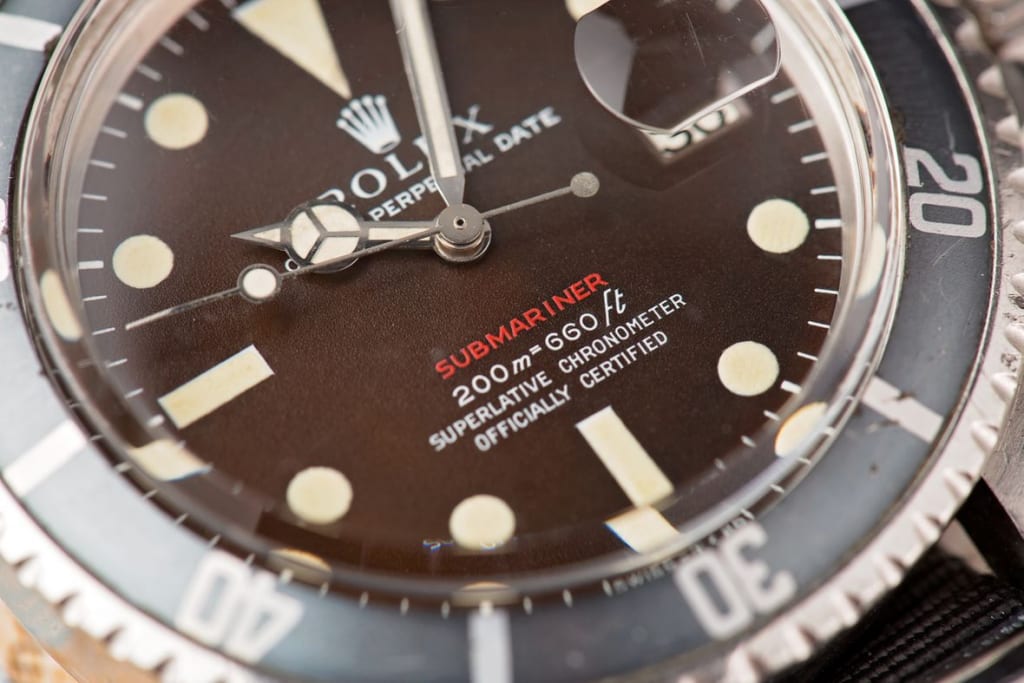
Rolex has never provided an official reason for the hand’s design, so a number of stories have developed to fill the void. Many of them are appealing, but fail to stand up to analysis.
The Mercedes-Benz Car Connection
The most popular myth surrounding this design. The hour hand certainly looks like the Mercedes-Benz logo but this association is a total coincidence. There isn’t any known collaboration between Rolex and the German carmaker, aside from founder Hans Wilsdorf coincidentally being born in Germany. The phrase “Mercedes hands” was likely coined by members of the watch community as a nickname for this detail. It has never been used by Rolex itself in any official communication, although the brand has been known to call them “Mercedes-style” hands.
The Land, Sea, and Air Theory
One theory is that the three points represented Rolex’s three main areas of conquest, Land (Rolex Explorer), Sea (Submariner) and Air (GMT-Master). This, however, is not likely, as at the time, the dates of release do not support it. The Mercedes hands first appeared on the Explorer in 1953. Rolex Submariner of that period had a different style of hand, and the Rolex GMT-Master was not released until 1954. It is likely the design was not put on to be a “trophy” of Rolex’s market domination but a functional design that just so happened to work across multiple professional watches.
The Mercedes Gleitze Tribute
Another theory is that the hands were named after Rolex’s first brand ambassador, Mercedes Gleitze. She famously swam across the English Channel in 1927 while wearing a Rolex Oyster, displaying on the world stage just how tough Rolex’s Oyster case was. It was a pivotal moment, which would easily explain why it’s called the “Mercedes” hand but the three-pronged hand didn’t appear on Rolex watches until much later, more than twenty years after Gleitze’s historic swim. For this reason a direct naming tribute is considered extremely unlikely.
From Cathedral Hands to the Three-Pointed Star: A History of Evolution
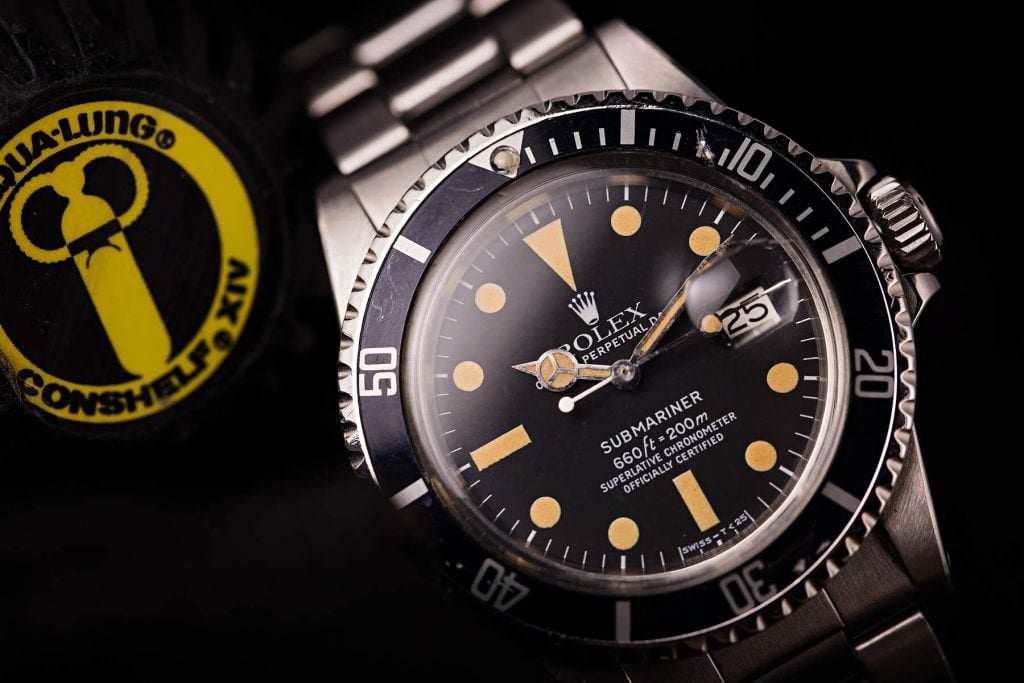
Understanding where the Mercedes hand design came from requires looking at earlier watch hand styles and the evolution of tool watch design.
The Plausible Precursor: Cathedral Hands
The theory of the design with the most historical merit claims that the Mercedes design was derived from Cathedral hands (also called “Poire d’Épée”), very popular in the 1920s and 1930s, particularly on military and early tool watches. Cathedral hands were broad at the base, tapering to a point, and the shape naturally created many segments for luminous fill. The hands were popular for their legibility and ability to hold luminous material.
Rolex almost certainly based this classic watch pattern, and tweaked the tripartite layout into the circular Mercedes design to help overcome a couple of key problems with those watches. Stability of the luminescent material and long-term “hold” (retention of luminescence). It’s a logical progression: start with a proven, super-legible layout and make it work for today’s professional diver and expedition watches. By segmenting the compartments for the luminescent material in a metal case, Rolex eliminated the weak points in prior designs.
Every Professional Model: Rolex Watches That Feature Mercedes Hands

Rolex uses Mercedes hands only on its Professional or “tool watch” models designed for certain activities and extreme environments. These share the need for easy-to-read and trouble-free timekeeping in difficult conditions.
Watches Featuring the Iconic Hour Hand
| Rolex Model Name | Primary Reference Range | Professional Purpose |
| Submariner | Ref. 6204 to current | Professional Diving (Sea) |
| GMT-Master / GMT-Master II | Ref. 6542 to current | Aviation/Dual Time Zones (Air) |
| Explorer | Ref. 6150 to current | Mountaineering and Expedition (Land) |
| Yacht-Master | Ref. 16628 to current | Nautical and Regatta Timing (Sea) |
| Sea-Dweller | Ref. 1665 to current | Saturation Diving (Deeper Sea) |
| Explorer II | Ref. 16550to current | Caving, Polar Exploration, 24-Hour Tracking |
| Air-King | Ref. 116900 (modern) | Aviation Instrument Readability |
Notable Exceptions in the Professional Line
Not every professional Rolex model uses Mercedes hands, and these exceptions reveal how Rolex tailors designs to specific functions:
- Cosmograph Daytona: Has straight baton hands, a practical design element for the iconic chronograph where dial clarity for multiple subdials takes priority.
- Milgauss (Modern): Features baton hands and a distinctive lightning bolt seconds hand. Its focus is on anti-magnetic resistance rather than deep-sea legibility.
- Cellini, Day-Date, Datejust: These dress watches typically use slender alpha or baton hands. Elegance is a priority here over the heavy luminosity required by tool watches.
Current-Production Rolex Sports Models with Mercedes Hands
The Mercedes hand remains a defining feature across Rolex’s current lineup of professional sports watches. Models including the Submariner, Submariner Date, GMT-Master II, Explorer, Explorer II, Sea-Dweller, Deepsea, Yacht-Master, Yacht-Master II, and Air-King all feature this iconic three-pointed hour hand design.
- Submariner
- Submariner Date
- GMT-Master II
- Explorer
- Explorer II
- Sea-Dweller
- Deepsea
- Yacht-Master
- Yacht-Master II
- Air-King
The Lasting Legacy of the Rolex Three-Pointed Hour Hand
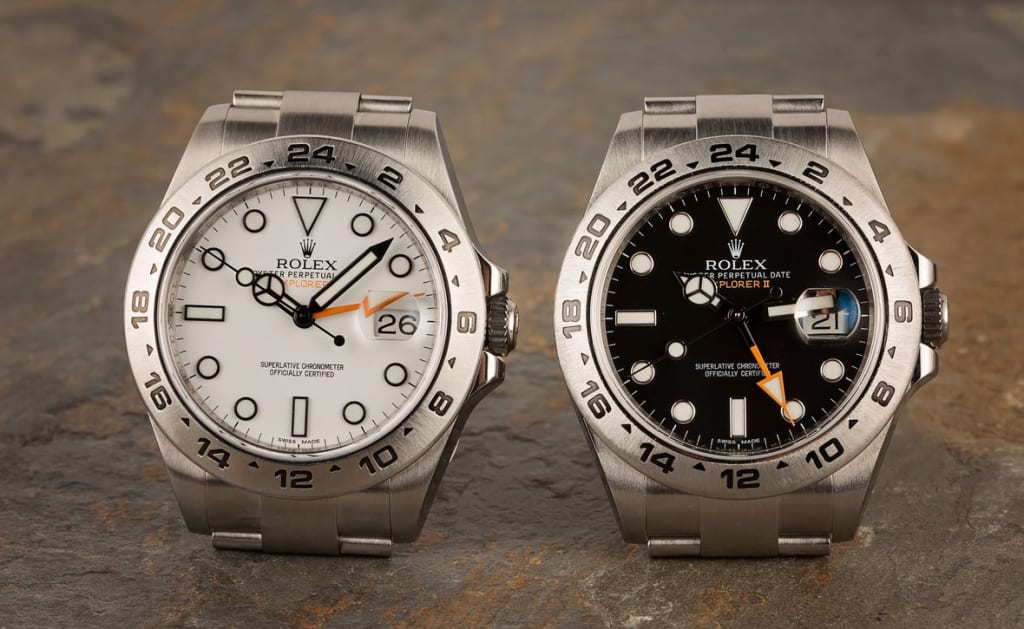
The three-pointed hour hand is a symbol of Rolex’s engineering culture: above all else a dedication to function and reliability. What began in 1953 as an engineering answer to a simple question (how to secure a large mass of Rolex luminous material in place on a tool watch designed for the most extreme exploration) became one of the most iconic symbols in watchmaking. It is the signature that ties the brand’s most capable watches, from the depths of the ocean on the Sea-Dweller to the summit of Everest on the Explorer.
The “Mercedes hands” moniker may stick for a while, but the reality is that there was nothing random or coincidental about it, and it has little to do with a car company. It was a functional and deliberate design made to help humans survive in the harshest of environments. It is this utilitarian history that keeps the Rolex three-pronged hour hand so inextricably bound to the company’s professional image. Professional as in “luxury” to some, and “real history” to serious collectors, historians, and to anyone with the vision to recognize the power of well-considered, functional design in the advancement of mankind.