
An antimagnetic watch (AM watch) is a watch that has been designed from the ground up with one goal in mind: resist the effects of magnetic fields and continue to keep time accurately. There’s magnets everywhere nowadays, from computers to phone cases. When mechanical watches get near a magnet, they can stop working altogether or these luxury watches can lose accuracy. Components like soft iron cages to shield the movement or non-magnetic materials like silicon hairsprings remedy that.
Key Takeaways:
- The Threat: Things like iPad covers, Bluetooth speakers and magnetic wallet clasps can magnetize a watch, which can cause it to run several minutes fast per day.
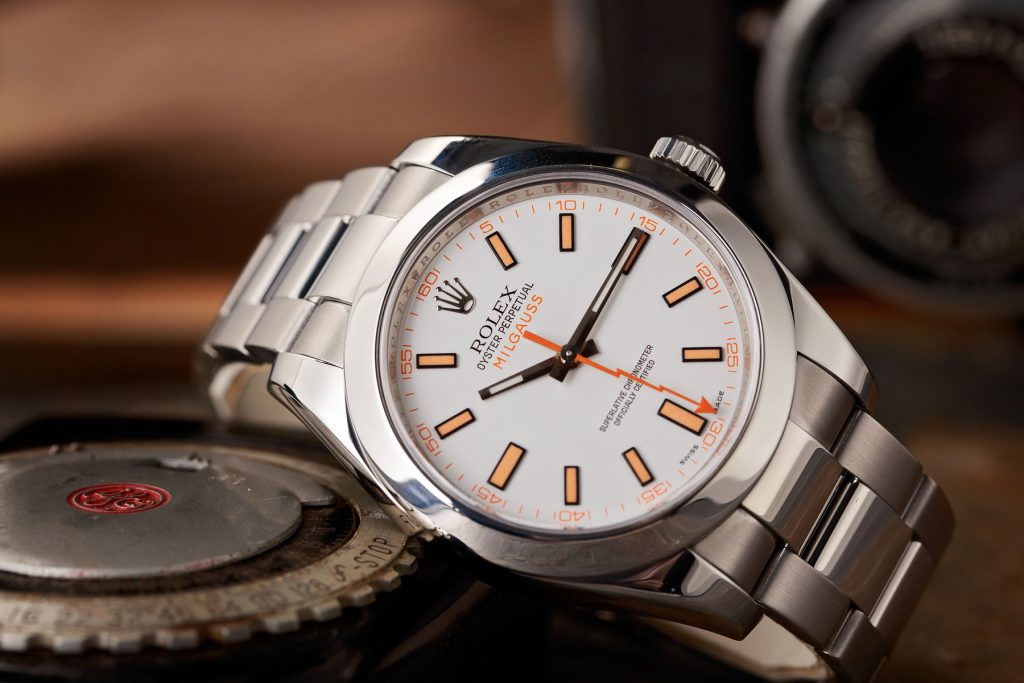
- The Tech: Some watches, like the Rolex Milgauss use soft iron inner cases. Other modern luxury watches, like OMEGA Master Chronometers, use non-magnetic materials like silicon.
- The Standard: ISO 764 certification requires resistance to 4,800 A/m (roughly 60 Gauss). Today’s advanced watches can handle 15,000+ Gauss.
- The Fix: A magnetized watch can be easily corrected at home with an inexpensive demagnetizer, no permanent damage occurs.
The first antimagnetic watches were developed back in the 1950s for laboratory scientists. Today, they’re crucial timekeepers for pretty much anyone interested in having a mechanical watch that keeps accurate time when exposed to certain elements. Let’s take a closer look at the history and tech behind antimagnetic watches, with a list of the best ones you can buy at every price.
What Is an Antimagnetic Watch? (Standards & Definitions)
Professional dealers and average collectors should both understand the basics of what an anti-magnetic watch is. Most importantly are the official standards. When a watch is described as ISO antimagnetic, it’s being tested against standards like ISO 764, or DIN 8309 in Germany. In practical terms, that means it’s expected to resist magnetic fields around 4,800 A/m (roughly 60 gauss) while still keeping time within about half a minute per day.
Understanding the ISO 764 Standard
ISO 764 is a standard that was put in place to have a universal benchmark throughout the watch industry. When a watch has been tested to this standard it has shown that the movement can overcome everyday magnetic fields and maintain timekeeping accuracy. The test that needs to be passed is putting the watch through a direct current magnetic field and making sure that it runs within specified parameters.
The Modern Gold Standard (METAS & Beyond)
Luxury watch brands have been exceeding those standards by a significant margin over the past years. OMEGA’s proprietary Master Chronometer certification, which has been tested by METAS (Swiss Federal Institute of Metrology) to 15,000 Gauss, is more than 250 times greater than what the ISO requires. Tudor offers watches with comparable levels of protection, as these leading watchmakers show that high-end antimagnetic technology is here to stay.
Magnetic Strength Comparison
| Source/Standard | Strength | Impact on Watch |
| Fridge Magnet | 50 Gauss | Can magnetize standard watches |
| ISO 764 Standard | 60 Gauss | Minimum antimagnetic protection |
| MRI Machine | 15,000+ Gauss | Would destroy unprotected watches |
| Omega Master Chronometer | 15,000 Gauss | Full protection maintained |
Why You Need an Antimagnetic Watch
We live in an age of magnets like never before. That means antimagnetic protection is important for everyone, not just pilots and physicists. During your day you probably encounter dozens of devices with magnets stronger than your grandparents ever knew existed.
Common Magnetic Threats:
- Smart Devices: Your iPad cover contains powerful magnets. Also, laptop speakers create constant magnetic fields.
- Audio Equipment: That Bluetooth speaker on your desk, as well as headphones, and soundbar systems all generate magnetic interference.
- Everyday Accessories: That magnetic clasp on a handbag is a common and unexpected threat.
- Travel: Airport scanners usually aren’t the issue despite how often people worry about them.
The first clue your watch may be magnetized is erratic timekeeping behavior. Nearly all magnetized watches gain time, sometimes several minutes per day. When hairspring coils are attracted to each other, it effectively shortens the spring, causing the watch’s balance wheel to change rate. The balance wheel is the timekeeping centerpiece of any mechanical movement.
How Antimagnetic Technology Works

Movement protection against magnetic fields has been approached in two ways by watch manufacturers. Each method has its benefits for differing levels of protection and watch design requirements. Knowing the differences between the two technologies can explain why there is such a price difference between some antimagnetic watches.
The Old School: The Faraday Cage
The conventional fix is to encase the movement in a soft iron inner case. Physicists refer to this as a Faraday cage. This second case of soft iron attracts flux lines and guides them around the movement instead of through it. It does this in the same way lightning rods safely conduct electricity to the ground. This solution is effective for fields up to around 1,000 Gauss. This level accounts for nearly all practical situations.
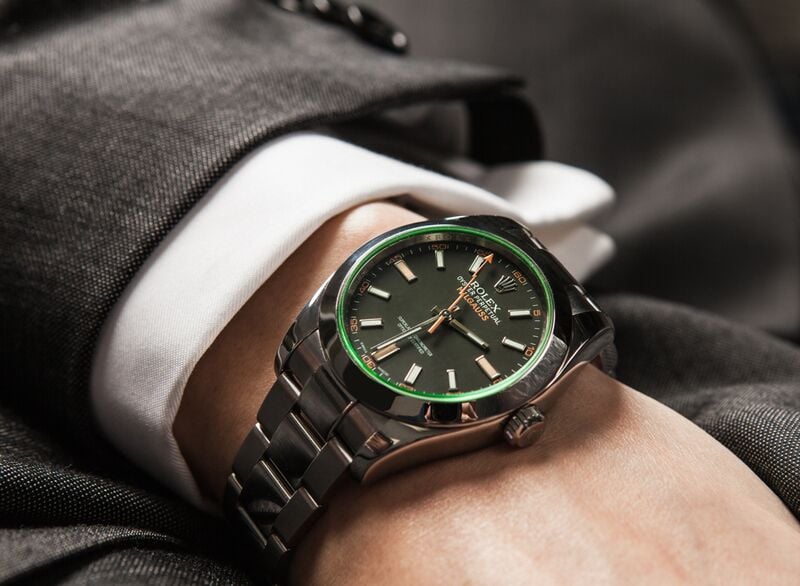
The compromise is thickness and limited case design. An inner cage adds height to the case and totally obscures the movement from view. Display casebacks are impossible. A good example is the Rolex Milgauss, named for its 1,000-Gauss rating, along with the IWC Ingenieur and Sinn’s professional tool watches.
The New School: Non-Magnetic Materials
Luxury brands today have tackled this problem another way by constructing movements from materials that cannot be magnetized. Silicon (also known as silicium in the watchmaking industry), Nivarox and the Rolex Parachrom hairspring are just some movements using materials impervious to magnetic fields at their core.
The technology can handle very large magnetic fields (in excess of 15,000 Gauss) and also allows watchmakers greater freedom in designing display casebacks and slimmer case profiles. The movements are more costly to produce due to the need for special manufacturing tools and skills. OMEGA’s Co-Axial Master Chronometer movements and the Tissot Powermatic 80 Silicium are at opposite ends of the pricing scale using this method.
A Brief History of Magnetic Protection

Antimagnetic watchmaking didn’t start with the development of computers and electronics. They just amplified the presence of magnets in our daily lives. Vacheron Constantin performed rudimentary experiments on magnetic shielding as early as the 1840s. The first widespread application was the Tissot Antimagnétique in 1930. It was the world’s first antimagnetic wristwatch made for daily use.
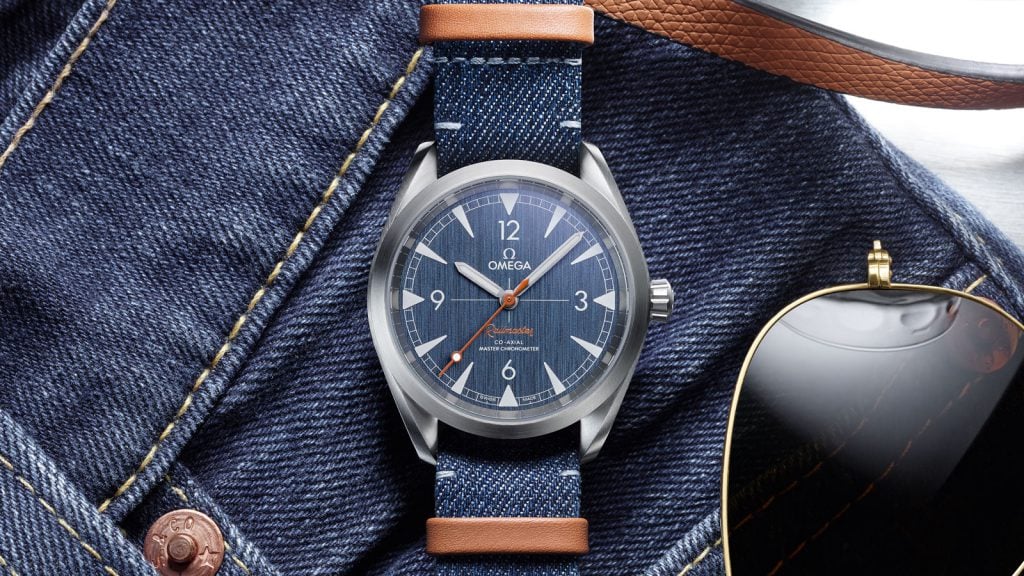
The real turning point for antimagnetic tool watches came in the 1950s, when scientific and industrial workspaces were becoming saturated with electromagnetic equipment. Engineers and researchers needed watches they could actually trust on the job. That demand produced some of the category’s most enduring designs like IWC’s Ingenieur in 1955, Rolex’s Milgauss a year later (developed with input from scientists at CERN) and OMEGA Railmaster in 1957. Soft iron cages were used and these watches remained the benchmark of professional antimagnetic watches for years to come.
Things changed in 2013, however, when OMEGA introduced the OMEGA Aqua Terra boasting >15,000 Gauss antimagnetic protection using silicon parts rather than shielding. By developing a watch movement that could withstand strong magnets, OMEGA and other watchmakers began to realize that protecting the movement was more practical than shielding it from magnetic fields. Currently, antimagnetic watches in the 15,000 Gauss realm have gone from ultra luxury to found in mid-range Swiss watches.
Best Antimagnetic Watches Buying Guide

When it comes to selecting an antimagnetic watch, there are many options available depending on your price range, style and how much protection you really need. Some watches are simple and budget friendly while others are antimagnetic watches used by professionals in extreme conditions. Below we will go over the top watches in each category.
The Heavy Hitters (Luxury & Professional)
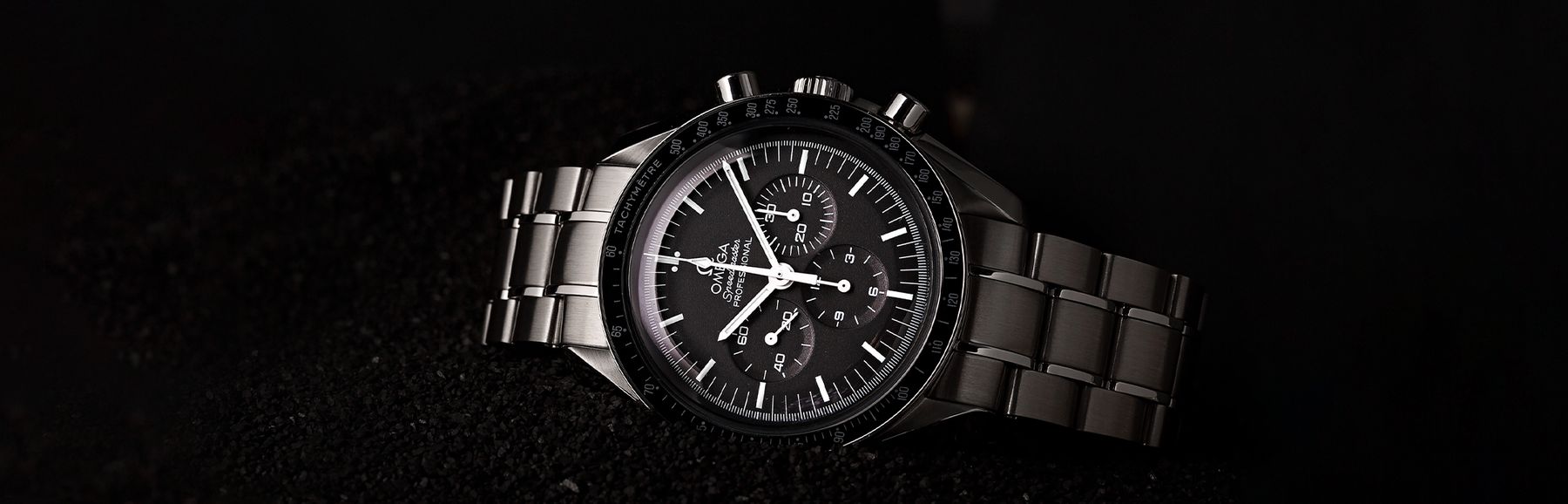
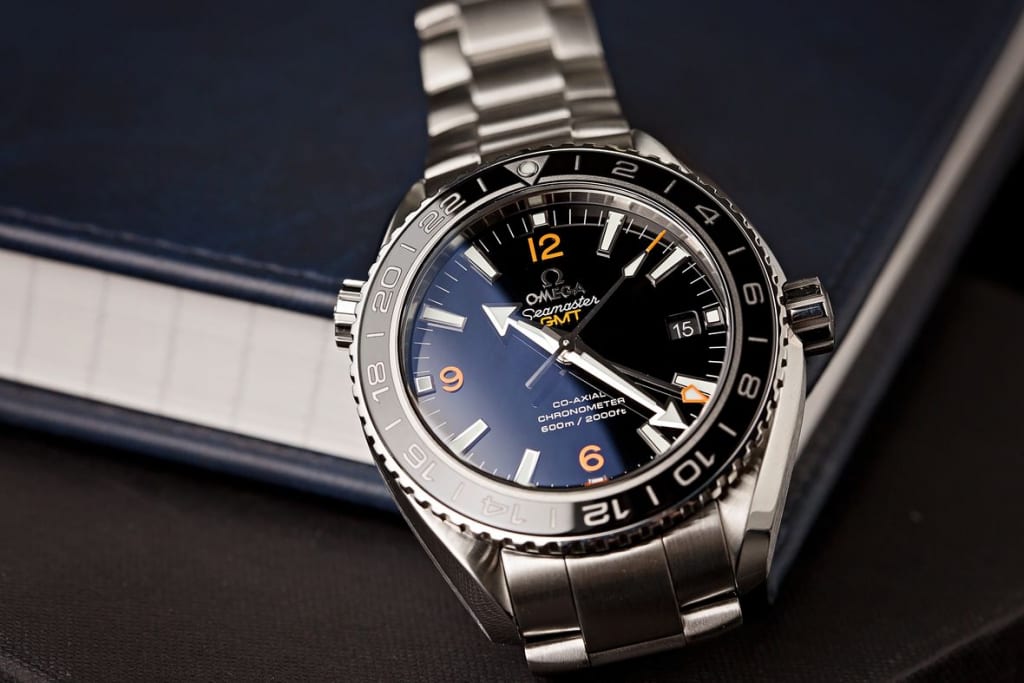
OMEGA Seamaster Planet Ocean: OMEGA makes both watches with METAS-certified Master Chronometer calibers. The movements are tested to 15,000 Gauss. That is the greatest possible anti-magnetism without compromising OMEGA’s signature design codes or Co-Axial escapement.
Rolex Milgauss (Discontinued but Classic): The Milgauss was retired in 2023 but is still very collectible thanks to its 1,000 Gauss rating and signature lightning bolt shaped seconds hand. Its soft iron cage attracted engineers and scientists for years.
IWC Ingenieur: Gerald Genta developed this watch in 1974, giving it a soft iron inside protection, and a bracelet integrated into the case. The collection is still anti-magnetic today, but with updated case sizes and movements.
The Tool Watch Specialists
Sinn EZM 3 / 856: Sinn has long taken a practical approach to antimagnetism, using everything from traditional soft-iron inner cages to newer materials capable of resisting fields up to 80,000 A/m. That focus on function over flash is a big reason the brand has earned such a strong following among pilots, engineers and other professionals.
Ball Engineer II Magneto S: Ball solved this by incorporating an electro-optical iris shutter on the caseback. This lets you see the movement, but seals magnetically when closed. Ball watches feature cage technology along with newer materials pushing protection up to 80,000 A/m.
Damasko: Small German maker with ice hardened steel cases and inner magnetic shielding cages. They are very competitive on antimagnetic performance vs price vs Swiss luxury brands. They have a great tool watch collectors following.
Affordable & Entry Level
Tissot Gentleman Powermatic 80 Silicium – Best Value Antimagnetic Watch: A silicon hairspring provides world-class antimagnetic performance for less than $1,000. Enjoy up to 80 hours power reserve with the contemporary Powermatic 80 movement.
Casio G-Shock: Digital or analog-digital G-Shocks are inherently immune to magnetism, having quartz movements and little metal in them to begin with. They aren’t antimagnetic per se, but are convenient for anyone on a budget.
Swatch Sistem51: Featuring Nivachron hairsprings, these inexpensive automatons offer entry-level anti-magnetic defenses. Automated production minimizes costs without sacrificing Swiss-made quality and magnetic protection.
How to Demagnetize a Watch
Demagnetizing a watch takes less than a minute and requires neither special skill nor training as a watchmaker. It’s easy enough that many watch owners own a demagnetizer in their homes so they can make corrections as needed.
Step-by-Step Process:
- Test for Magnetization: Place a compass flat on a table and slowly pass your watch over it. If the compass needle moves or spins, your watch is magnetized.
- Get a Demagnetizer: Purchase a blue box demagnetizer online for $10 to $20. These devices are widely available and work on all mechanical watches.
- Position the Watch: Hold your watch about 2 inches above the demagnetizer pad without touching the surface.
- Activate the Device: Press and hold the button on the demagnetizer.
- Slowly Lift Away: While keeping the button pressed, slowly move the watch upward and away from the device in a smooth motion.
- Release the Button: Once the watch is at least 12 inches away, release the button.
- Retest: Use the compass test again to confirm the watch is no longer magnetized.
Slow withdrawal speed with the device powered up is how you ensure proper demagnetization. If you pull the watch away too quickly or release the button too soon it can cause residual magnetism.
Frequently Asked Questions
Final Thoughts
We no longer live in an era of steam engines and railway worker sheds, but today we live surrounded by magnets thanks to our electronic devices. Your mechanical watch today has enemies that a watchmaker from one generation ago wouldn’t have known: smartphones, laptop speakers, magnetic jewelry… Whether your taste is for a no-nonsense German tool watch with a cage or an exclusive Swiss watch with high-tech materials, antimagnetic will allow you to wear your mechanical watch with confidence as a precise timepiece and not just jewelry.