Watches have become an integral part of mainstream culture, and with more people than ever now buying and collecting luxury timepieces, the amount of misinformation that exists has never been higher. Every single day, an immeasurable amount of watch-related content gets uploaded to the internet and social media platforms, but a lot of that content isn’t just useless; it is perpetuating incorrect information that can negatively affect both buyers and sellers.
These days, anyone with internet access can claim to be a “watch expert” and spread misinformation on a widespread scale, but many of these people don’t even know that they have the wrong facts. In addition to all of the rage-bait style content that intentionally features incorrect information for the purposes of generating clicks, countless other people read something on the internet and then regurgitate it as a confirmed fact, without ever once verifying for themselves if the information is actually correct.
To help you get the record straight, below we are debunking some of the most popular luxury watch myths and breaking down why so many people get these wrong.
All Luxury Watches Are Good Investments
People are frequently told that luxury watches are investments, but they often misinterpret this statement and assume that collecting watches is the same as building a stock portfolio. While a small handful of highly desirable models trade hands for values that are higher than their original retail prices, most watches depreciate in value once they hit the pre-owned market (just like cars). Additionally, whenever you hear that someone paid a few hundred dollars for a Rolex Submariner in the 1970s and that same watch is now worth five figures, it’s important to remember that it took roughly half a century for that price shift to take place, and a significant portion of that appreciation occurred only within the last decade.
Unlike stocks, bonds, or whatever crypto currency is popular these days, luxury watches are physical items that you can wear and enjoy every single day – and this is the primary value they bring to a person’s life. A true luxury timepiece (especially a model from a blue-chip brand like Patek Philippe) will never depreciate to the point where it is worth absolutely nothing, and high-quality timepieces undeniably retain their value reasonably well compared to most other items. However, this doesn’t mean luxury watches should be viewed as lucrative monetary investments, and you should always buy a watch because you love it and want to wear it, not because you think that it can be sold for a quick profit.
The Price of a Watch Is Based on the Value of Its Materials
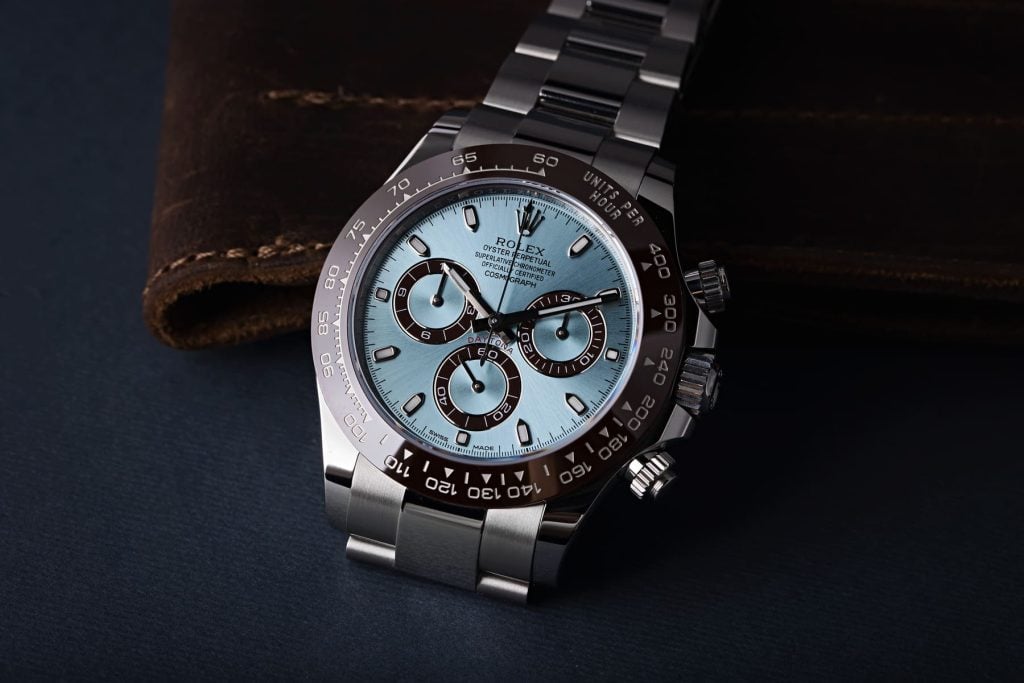
Common logic says that the price of a luxury watch should be positively correlated with the value of its materials, but there are numerous different instances where this logic completely falls apart. For example, when purchased at a retail level, platinum luxury watches always cost more than otherwise identical models that are crafted from gold, yet the market price of platinum as a raw material is currently less than half the price of gold (as of May 2026). Part of this price discrepancy is simply due to the fact that platinum is heavier than gold, and since most platinum watches use an alloy that is 95% pure platinum (compared to the 75% purity of 18k gold), creating a platinum case requires more platinum (by weight, not volume), than creating the same exact case in gold.
However, an even more significant factor responsible for the high price of platinum watches is that platinum is quite a bit more challenging to shape than either stainless steel or gold alloys, and the metal is notoriously hard on machining tools due to its high malleability and extremely dense composition. This means the actual manufacturing cost of shaping case components is higher on platinum watches, and this ultimately translates to their tangibly higher retail prices. Additionally, a similar story exists with ceramic watches, and while ceramic itself isn’t very expensive as a material, machining it into intricate components and giving it a detailed finish requires specialized tools, and this is the primary reason why luxury brands charge substantial premiums for their ceramic models.
When it comes to the secondary market, the prices of watches become even further separated from the value of the materials that are used in their construction, and the open-market price of a watch is largely determined by its desirability among collectors. For example, two-tone Rolex watches are always more expensive than their stainless steel counterparts when purchased at a retail level, but you will consistently find two-tone Rolex Daytona models priced significantly below their stainless steel siblings on the secondary market. Similarly, a stainless steel Submariner from the early 1960s can sell for more than a modern solid-gold Submariner, as the collectability of the vintage model (quite literally) makes it worth more than its weight in gold.
In-House Movements Are Always Superior

Modern watch enthusiasts tend to place an enormous emphasis on in-house movements, but it is a common misconception that in-house calibers are categorically superior to their third-party counterparts. The term “in-house” is basically the watchmaking equivalent of saying “home-made” – meaning that the quality of an in-house caliber is entirely dependent on the entity that produces it. Additionally, engineering a movement is completely different than producing a watch, and while some brands have a long history of making their own calibers, others have only started creating movements within the last decade, and their in-house calibers simply have not existed long enough to be considered proven designs.
One of the main reasons why enthusiasts prefer in-house vs outsourced watch movements is because they are unique to the brands that create them and can’t be found inside any other timepieces. Given that luxury watches are inherently expensive items, it’s understandable that collectors desire a certain level of exclusivity, and it’s important for buyers to feel that their watch isn’t just a more expensive version of something they could have purchased from another brand. While in-house calibers provide the exclusivity of having a timepiece that is both visually and mechanically distinct, the key advantage of movements from third-party suppliers is that they rank among the most proven designs in the entire industry, and they can be repaired and maintained by virtually any competent watchmaker.
Rare Equals Desirable
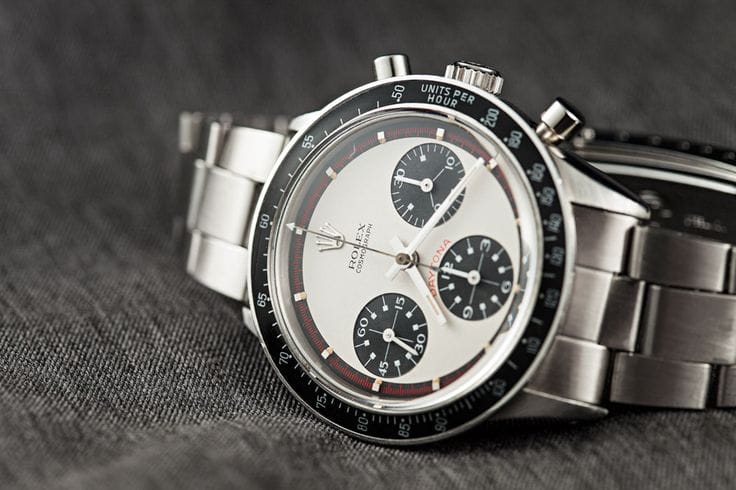
Collectors often confuse rarity with desirability, but just because a luxury watch is rare doesn’t mean that people actually want to own it. There are countless different timepieces that have been produced in extremely small numbers throughout history, but the reason why so few examples exist is simply because only a handful of people wanted to purchase them, and the models were discontinued after a short period of time. In certain cases, the collecting world changes its mind about a watch, and a previously unsung model becomes a grail for collectors; however, there are literally thousands of other watches that are significantly rarer than a Paul Newman Daytona, yet no one wants them because they have never once appealed to collectors and still aren’t desirable today.
Certain luxury watches are incredibly rare and objectively worth a lot of money, but even monetary value doesn’t guarantee desirability among collectors. For example, there are ultra-lavish versions of the discontinued Rolex Pearlmaster that were produced in shockingly small numbers, and due to their extensive use of precious metals and gemstones, some can be worth north of six figures. That said, at any given point in time, there might only be a few people in the entire world with both the desire and means to purchase these watches, which means that finding a buyer can be a rather challenging task. In order for a watch to be desirable, there must be a large number of people who actually want to own it, and many of the world’s most desirable luxury watch models are far from being the rarest or most expensive.
Box and Papers Are Important
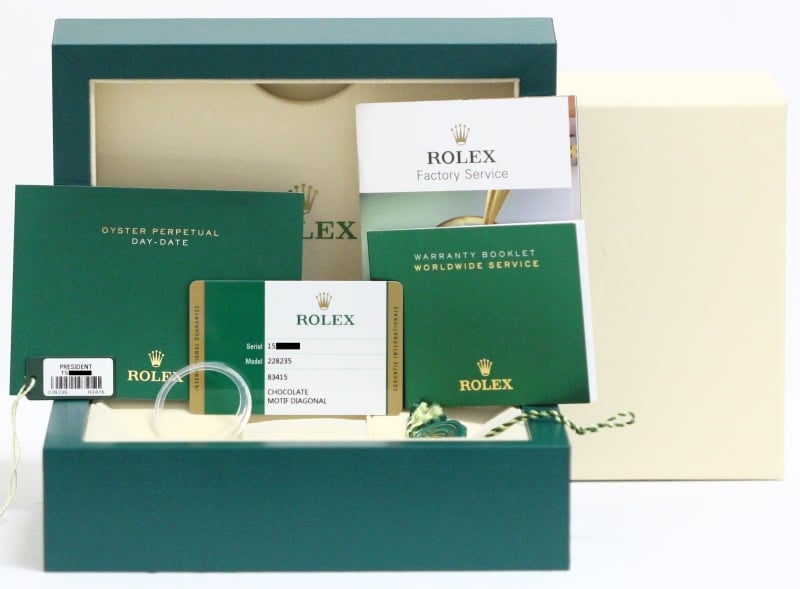
New collectors often place too much of an emphasis on whether or not a watch has its original box and papers, but there are a limited number of instances where having a full kit matters. First and foremost, you wear the watch (not its box), so while it’s nice to have the original packaging from a collector standpoint, it doesn’t actually change the ownership experience of the timepiece beyond giving you another item to stash away in a drawer or the back of a closet. For certain luxury watches, having the original box and papers can increase resale value (especially for rare vintage models or for new watches that are still under warranty), but the difference in price is generally rather minimal, and it only ever becomes relevant if you end up selling your watch.
Some people incorrectly assume that having the original box and papers somehow serves as a testament to a luxury watch’s authenticity, but if counterfeiters can create an entire fake watch, then they certainly have the ability to make a fake box and paperwork to accompany it. Given that luxury watches now exist as part of mainstream culture, it is becoming increasingly more common for today’s buyers to hold onto their original packaging materials, but the vast majority of vintage watches have long been separated from their original box and papers, and if you limit your search to only the examples that are accompanied by a full kit, you will be missing out on some of the best deals and most interesting offerings within the entire luxury watch industry.