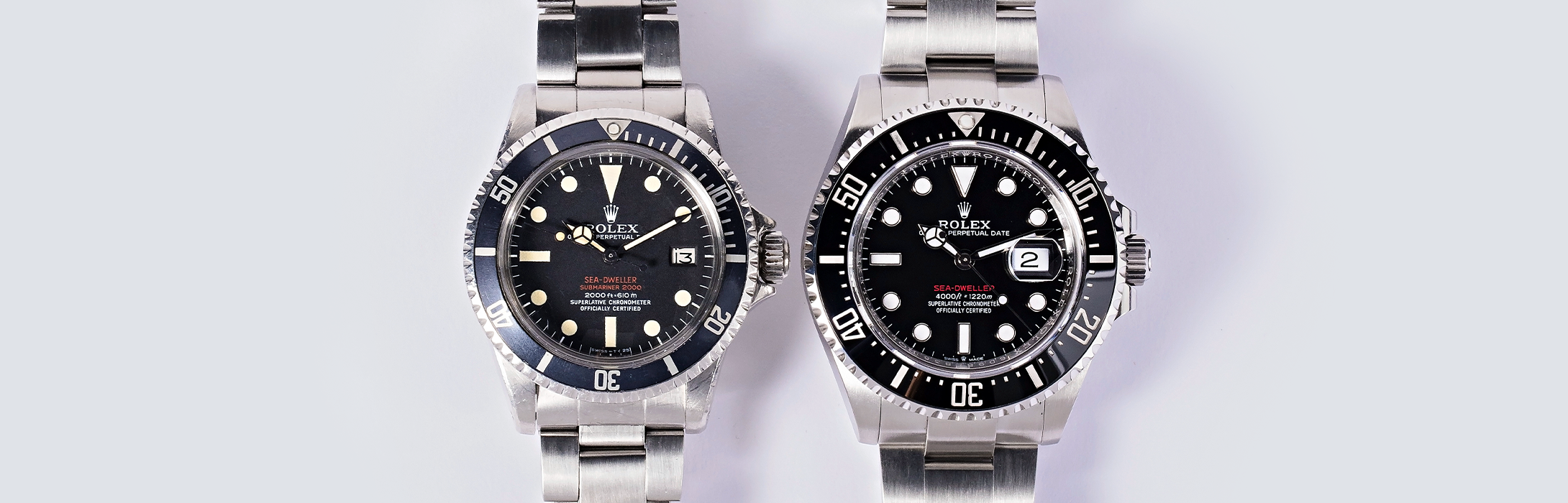

A vintage vs. modern Rolex decision comes down to one question: Are you buying a watch to wear every day, or are you buying a piece of the brand’s history? I’ve handled both sides of this argument for long enough to know the real answer isn’t either/or; it’s about matching the watch to how you actually live. This guide breaks down the case construction, movement technology, materials and value dynamics that separate the two for those looking to buy a Rolex watch, so you can make the call with real information instead of forum folklore.
Key Takeaways
- A modern Rolex trades acrylic crystals and aluminum bezels for scratch-resistant sapphire and Cerachrom ceramic, the single biggest jump in everyday durability between the two eras.
- Vintage dials patina because their early tritium and radium lume ages over time; non-radioactive LumiNova and modern Chromalight are engineered specifically to maintain their color without degrading.
- Power reserve nearly doubled: classic calibers like the 1570 and 3035 deliver about 48 hours, while the current 3235 and 3285 deliver about 70 hours, thanks to the Chronergy escapement.
- Case sizes crept up modestly rather than dramatically, the Submariner moved from 40mm to 41mm in 2020, while models like the Explorer still offer 36mm and 40mm side by side.
- Vintage value is driven by originality, rarity, and condition. Modern value is driven by demand and constrained retail supply. Both hold up well, just for different reasons.
At a Glance: Vintage vs. Modern Rolex Comparison
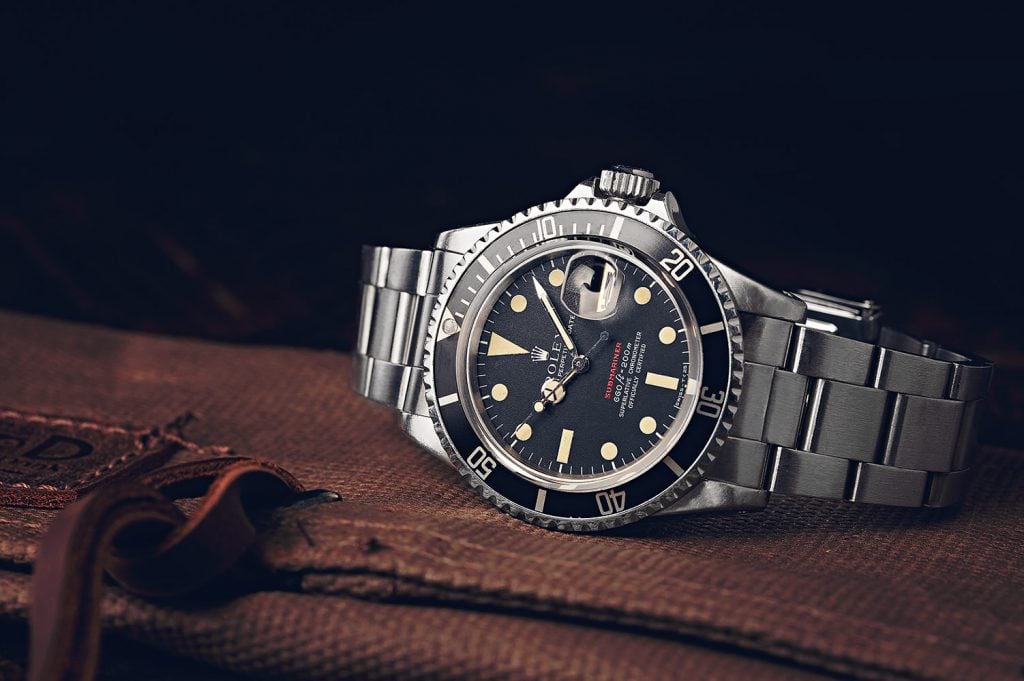
Here’s the direct comparison I’d put in front of a buyer trying to decide between the two eras:
| Feature / Component | Vintage Rolex (Pre-2000s) | Modern Rolex (2000s–Present) |
| Crystal Type | Acrylic / Hesalite (Plexiglass) | Scratch-resistant synthetic sapphire |
| Bezel Material | Stamped aluminum or Bakelite (fades over time) | Cerachrom ceramic (UV & scratch resistant) |
| Luminescent Material | Radium or tritium (ages to warm patina); LumiNova (late-90s transition, non-aging) | Chromalight (long-lasting blue glow) |
| Bracelet & Clasp | Stamped sheet-metal clasps & hollow end-links | Solid end-links, Oysterlock clasp with Glidelock/Easylink |
| Movement & Power Reserve | 18,000–28,800 vph; ~48 hours reserve (e.g., Cal. 1570, 3035) | 28,800 vph; ~70 hours reserve (Cal. 3235, 3285) with Chronergy escapement |
| Case Sizes (Professional) | Classic 36mm & 40mm proportions; slimmer lugs | Refined 40mm, 41mm (Submariner 126610), and 42mm options |
Construction, Materials, and Proportions
The most obvious differences when looking to buy a vintage Rolex or a modern Rolex aren’t philosophical, they’re metallurgical. Crystal composition, ceramic manufacturing and bracelet engineering all advanced considerably between the two eras, and you can feel it the moment you put both watches on side by side.
Case Dimensions & Design Proportions
Classic sports references, the Submariner, GMT-Master, and Daytona, held a 40mm diameter for decades, with slender lugs and chamfered edges that read smaller on the wrist than the number suggests. Rolex didn’t leave that formula alone forever: in 2020, the flagship Submariner (reference 126610 series) grew to 41mm, with redesigned, narrower lugs and a slightly wider Oyster bracelet to keep the proportions balanced. (For a reference-by-reference breakdown, read our in-depth Vintage vs. Modern Submariner Comparison.) Meanwhile, a model like the Explorer still comes in both 36mm and 40mm, which tells you Rolex hasn’t abandoned smaller cases, it’s just giving buyers more ways in.
Crystals and Bezels: Acrylic vs. Cerachrom
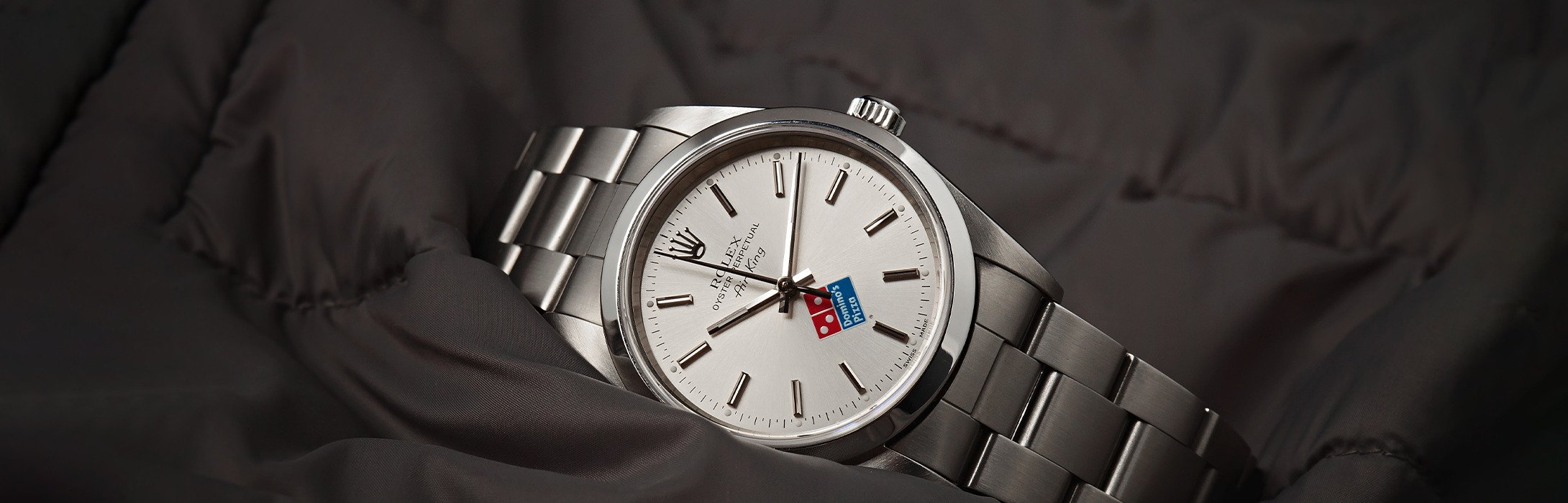
Vintage crystals and bezels: Vintage references run domed acrylic (Plexiglass) crystals, and that dome is exactly why vintage photos of these watches have that warm, slightly distorted look collectors love. Aluminum bezel inserts fade under decades of sunlight, which is how you end up with the “ghost” bezels and tropical color shifts that command a premium on the vintage market.
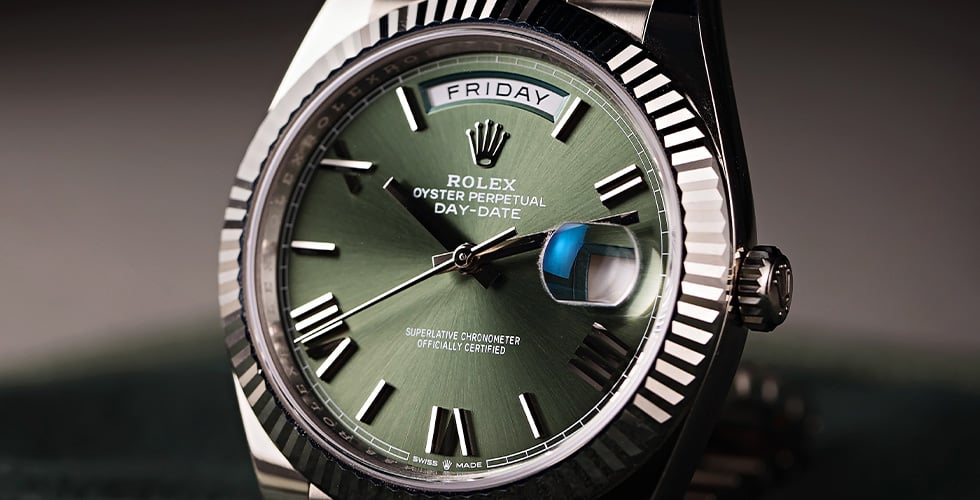
Modern synthetic materials: Modern models run flat sapphire crystals with anti-reflective coatings and Cerachrom ceramic bezels. Cerachrom is close to impervious to scratches and UV degradation, the bezel on a ten-year-old modern Submariner still looks factory-fresh, which is exactly the point.
Dial Aging & Luminescence Evolution
Vintage dials made before 1998 relied on radioactive tritium or radium luminescent compounds. Tritium decays over time, turning hour markers and hands a warm cream, yellow or “pumpkin” patina, a distinctive look that collectors prize. On vintage two-tone models, like the classic Root Beer GMT, this aging creates a distinct retro character that contrasts sharply with modern Everose gold and Cerachrom (see our Modern vs. Vintage Rolex Root Beer Breakdown for a side-by-side comparison).
In 1998, Rolex briefly transitioned to non-radioactive LumiNova (and later Super-LumiNova), which retains its white hue rather than developing patina. Today, modern watches use Chromalight, Rolex’s proprietary photo-luminescent compound, which throws a bright blue glow for up to eight hours and is built specifically not to degrade or shift color over time.
Movement Mechanics & Everyday Performance
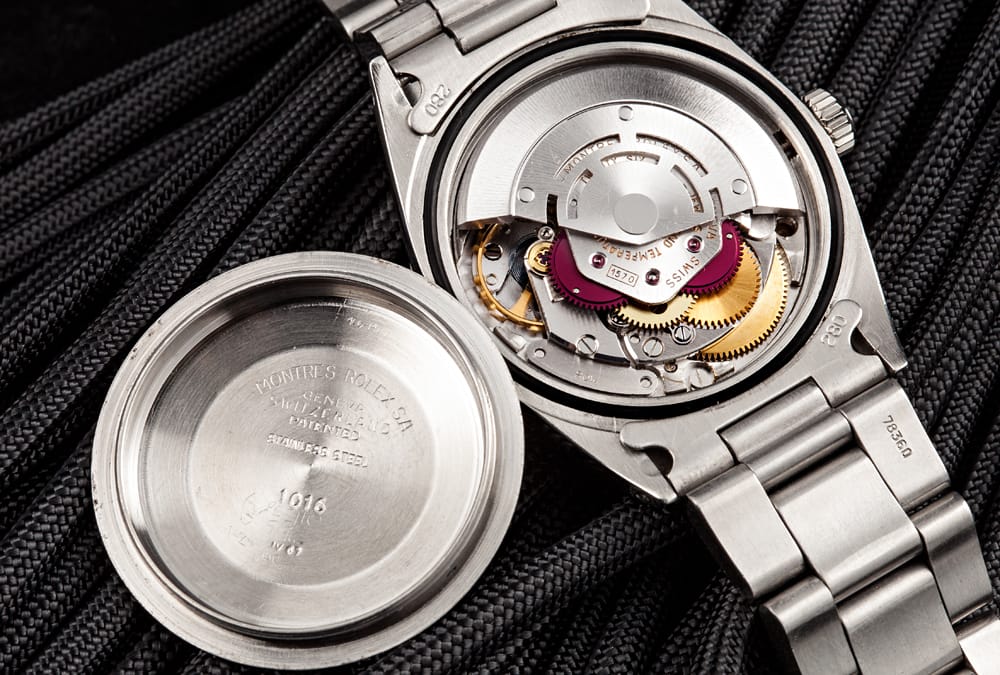
Open the case back on both watches, and the gap between vintage collectibility and modern utility gets very clear, very fast.
Power Reserve and Escapement Technology
Workhorse vintage calibers, the 1570 in a vintage Submariner 1680, or the 3035, deliver a solid 48-hour power reserve, which was genuinely impressive engineering for its era. Modern calibers like the 3235 (Datejust/Submariner) and 3285 (GMT-Master II) build in the patented Chronergy escapement, made from a nickel-phosphorus alloy that shrugs off magnetic interference. The payoff is a 70-hour power reserve and performance within Rolex’s Superlative Chronometer standard of -2/+2 seconds per day, tighter than most of the industry’s stated norms.
Bracelet Engineering and Micro-Adjustments
Vintage Oyster and Jubilee bracelets ran hollow end-links and stamped sheet-metal clasps. They’re lightweight and period-correct, but they stretch over decades, that’s just physics, not a defect. Modern bracelets fix that with solid end-links, solid center links and precision-milled Oysterlock safety clasps, plus Glidelock extension systems or Easylink 5mm comfort links that let you adjust fit tool-free, on the spot.
Market Value Retention and Investment Realities

Both eras hold their value well against the broader luxury market, but they play by different rules, and conflating the two is where a lot of buyers get their expectations wrong.
The Vintage Collector’s Market
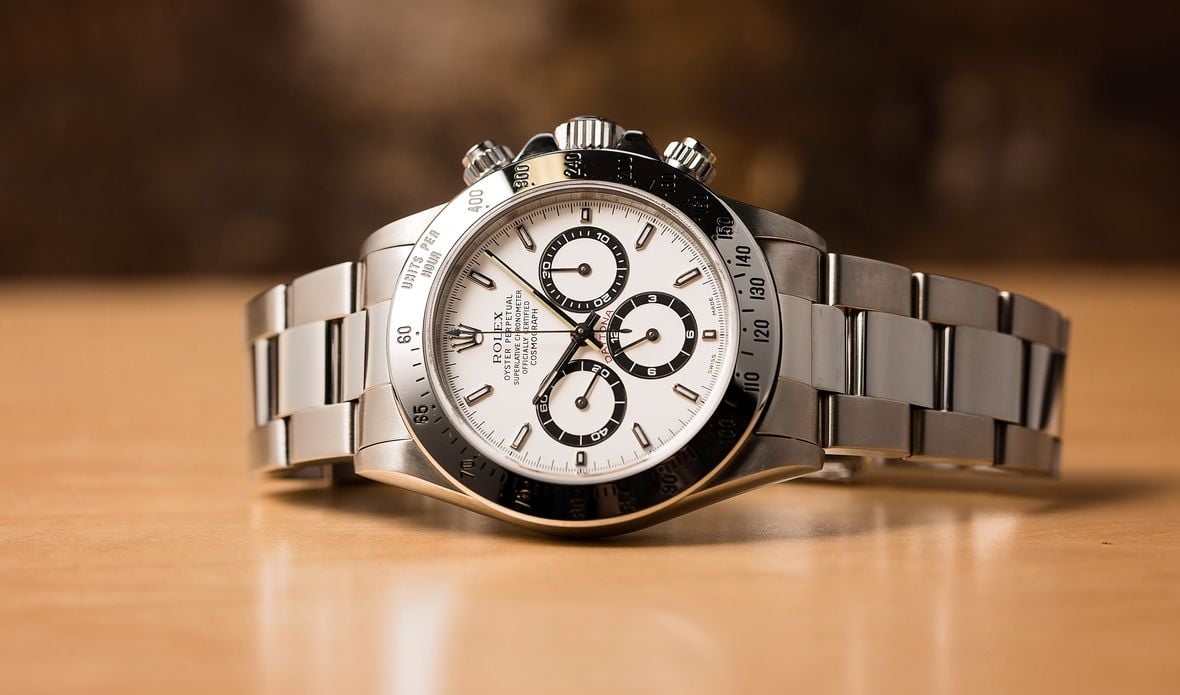
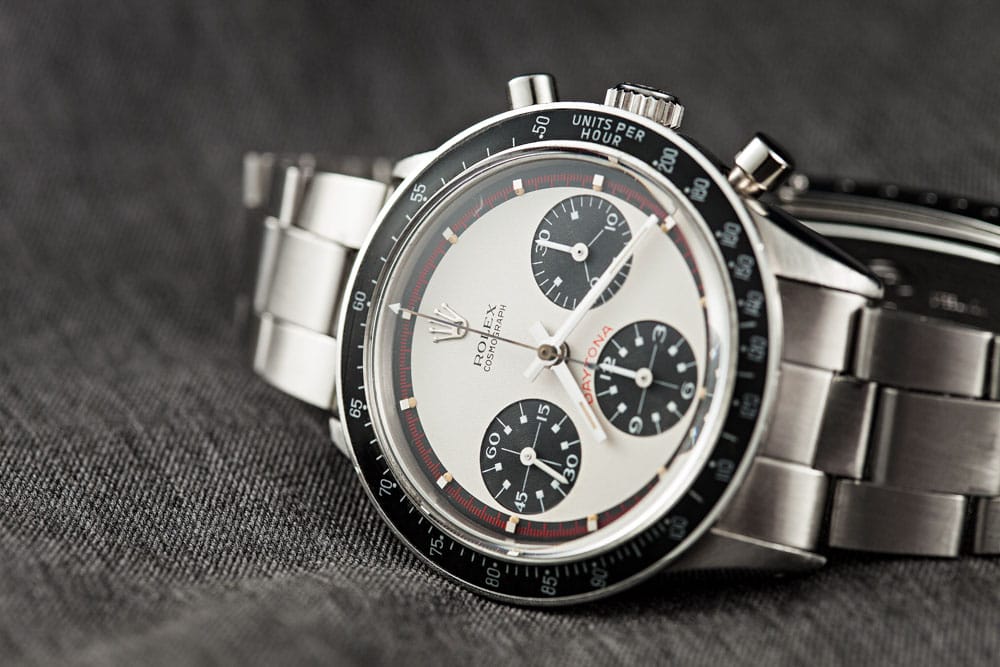
Vintage value is about rarity, originality and condition, full stop. Unpolished cases with original chamfers, factory dials, matching hand sets and clean provenance carry real premiums over a watch that’s been “improved” with service parts. Rare variants, such as a “Red Submariner” ref. 1680 dial, an early “Paul Newman” Daytona, or factory anomalies like “spider dials” (where the lacquer coat crazes into a web-like pattern), trade almost like alternative assets at this point. If you’re weighing a four-digit manual-wind reference against a modern ceramic chronograph, see our complete Modern vs. Vintage Rolex Daytona Comparison.
When buying vintage, verify the production era with a real reference tool before you trust a seller’s story, something like the Rolex Serial Number Lookup Tool is the kind of resource worth checking against.
Modern Secondary Market Dynamics
Modern pre-owned Rolex benefits from high demand and constrained supply at authorized dealers, popular steel sport references routinely trade above what they cost at retail. Modern pieces also appeal to a specific kind of buyer: someone who wants a watch they can wear hard tomorrow without worrying about tritium degradation or hunting for a replacement part. For a fuller picture of where prices are trending, our quarterly Rolex Market Report breaks it down reference by reference.
Which One Should You Buy?

If I’m being direct about it: buy vintage if the patina, the proportions and the history are the actual reason you want the watch, not a nice-to-have, but the whole point. Buy modern if you want a watch that shrugs off a decade of daily wear without a second thought and don’t want to think about servicing rare vintage parts. And if you want a foot in both camps, look at transitional and neo-vintage models, such as the reference 16800 Submariner from the 1980s. These bridge the gap perfectly by introducing modern upgrades like a scratch-resistant sapphire crystal and a 1,000-foot depth rating while retaining classic case proportions and tritium lume. That’s the sweet spot I steer a lot of first-time buyers toward when they can’t decide.
My Director of Vintage Watches, Brandon Frazin has this helful advise to add.
“There is a place for both modern and vintage watches in a collection. When deciding which one to wear, for me, it really comes down to what you are doing and where you are wearing it. If you are going to the beach and plan on swimming, I would go modern. If you are going to stay dry and aren’t doing anything too strenuous, I would go with vintage.
When it comes to buying modern or vintage, it ultimately comes down to the specific watch and what you are chasing. If it’s your first watch, you can ask yourself whether you are comfortable being a little more cautious with a vintage watch. If you are, then go for it.”
Brandon Frazin, Director of Vintage at Bob’s Watch