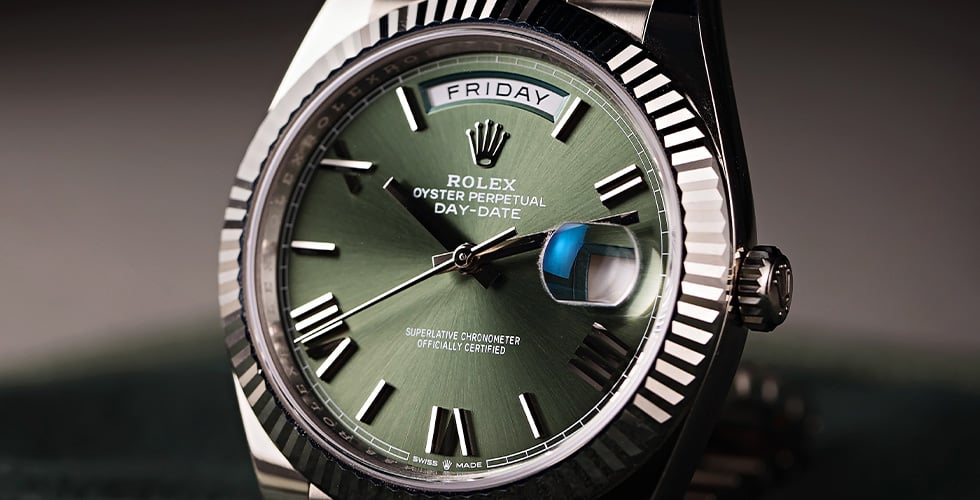
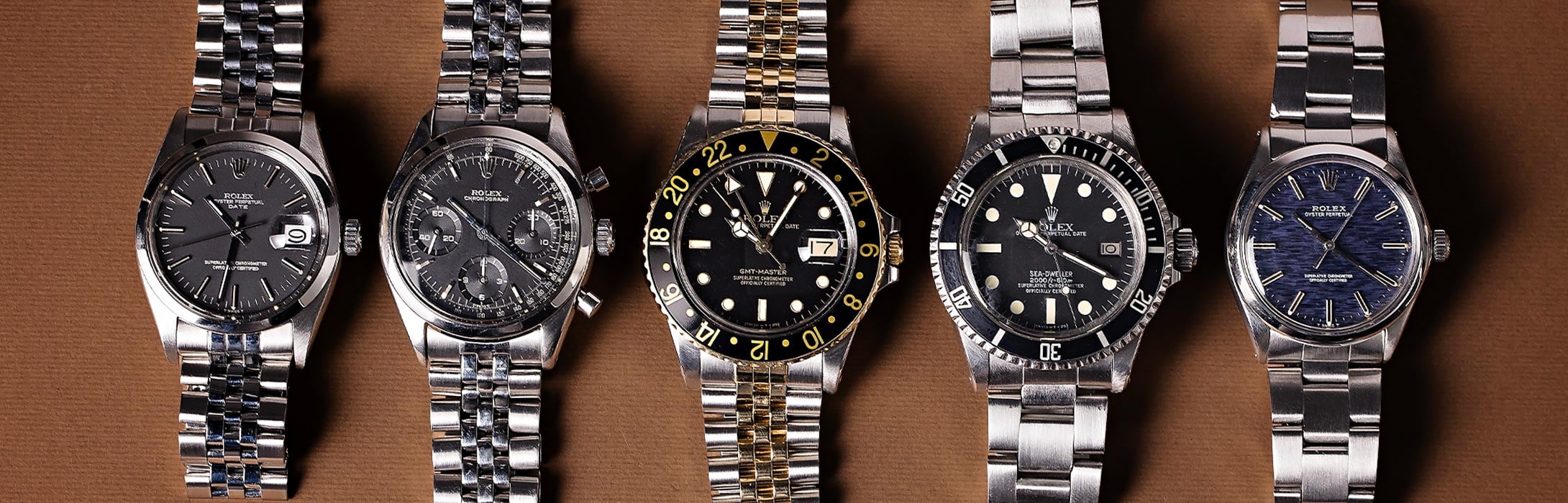
Rolex is generally better for everyday wear, resale value, and brand recognition, while Jaeger-LeCoultre is better for watchmaking heritage, complications, and understated craftsmanship. Neither of these luxury watches is objectively better than the other. Rolex rules the luxury sports watch market, while JLC has earned a reputation among collectors as the watchmaker’s watchmaker. In this guide, we compare both brands across history, quality, movements, pricing, resale value, and their most popular models, so you can decide which one belongs on your wrist.
Key Takeaways
- Rolex leads in brand recognition, resale value, and rugged everyday durability.
- Jaeger-LeCoultre leads in traditional watchmaking prestige, with more than 1,300 in-house calibers and over 430 patents since 1833.
- Entry pricing is similar for both brands, but JLC offers more complications per dollar at retail, while Rolex holds its value far better on the pre-owned market.
- Rolex is the stronger choice for sports and tool watches like the Submariner and GMT-Master II. JLC is the stronger choice for dress watches and complications like the Reverso and Master Ultra Thin.
- Collectors often call JLC the watchmaker’s watchmaker because it historically supplied movements to Audemars Piguet, Vacheron Constantin, and Patek Philippe.
Both of these Swiss houses sit at the top of the watch world, but they got there by very different roads. One built the most famous watch brand on the planet. The other quietly built the movements that powered some of the most respected names in horology. Here is how they compare when you put them side by side.
Rolex vs JLC at a Glance: Quick Comparison
Before we dig into the details, this table sums up how the two brands stack up across the categories that matter most to buyers.
| Category | Rolex | Jaeger-LeCoultre |
| Founded | 1905 | 1833 |
| Headquarters | Geneva, Switzerland | Le Sentier, Vallée de Joux, Switzerland |
| Ownership | Independent (Hans Wilsdorf Foundation) | Richemont Group |
| Estimated annual production | Over 1 million watches | Roughly 70,000 to 100,000 watches |
| Entry price (new, approximate) | $6,200 | $5,900 |
| Flagship models | Submariner, Datejust, Daytona, GMT-Master II | Reverso, Master Ultra Thin, Polaris |
| Movement history | Around 500 patents, fully in-house since the 2000s | Over 1,300 calibers and 430 patents since 1833 |
| Accuracy standard | Superlative Chronometer, -2/+2 seconds per day | 1000 Hours Control in-house testing |
| Resale value | Excellent, best in the industry | Moderate, with notable depreciation |
| Best for | Recognition, sports watches, investment | Horology, dress watches, complications |
The short version: Rolex is the safer buy and the stronger asset, while JLC gives you more watchmaking substance per dollar. The rest of this article explains why.
Brand Histories: The Crown and the Grande Maison
You cannot compare these two brands fairly without understanding where each one came from. Their histories explain almost everything about how they build watches today, and why collectors treat them so differently.
Jaeger-LeCoultre: The Watchmaker’s Watchmaker Since 1833

Antoine LeCoultre opened his workshop in Le Sentier in 1833, deep in Switzerland’s Vallée de Joux, the region considered the cradle of fine watchmaking. Over nearly two centuries, the manufacture has produced more than 1,300 different calibers and earned over 430 patents. Its inventions include the Millionomètre, the first instrument capable of measuring to the thousandth of a millimeter, the Caliber 101, still among the smallest mechanical movements ever made, and the Atmos clock, which runs on small changes in air temperature and pressure without ever needing to be wound.
The Jaeger-LeCoultre brand has earned the nickname “the watchmaker’s watchmaker” is not marketing. For decades, JLC supplied movements and movement blanks to Patek Philippe, Audemars Piguet, Vacheron Constantin, and Cartier. When the most respected names in Swiss watchmaking needed a movement, they often called Le Sentier. That legacy continues today through pieces like the Reverso, created in 1931 with a reversible case to protect its dial during polo matches, and the Hybris Mechanica series, which houses some of the most complicated wristwatches ever built.
Rolex: From Waterproof Pioneer to the World’s Most Famous Watch
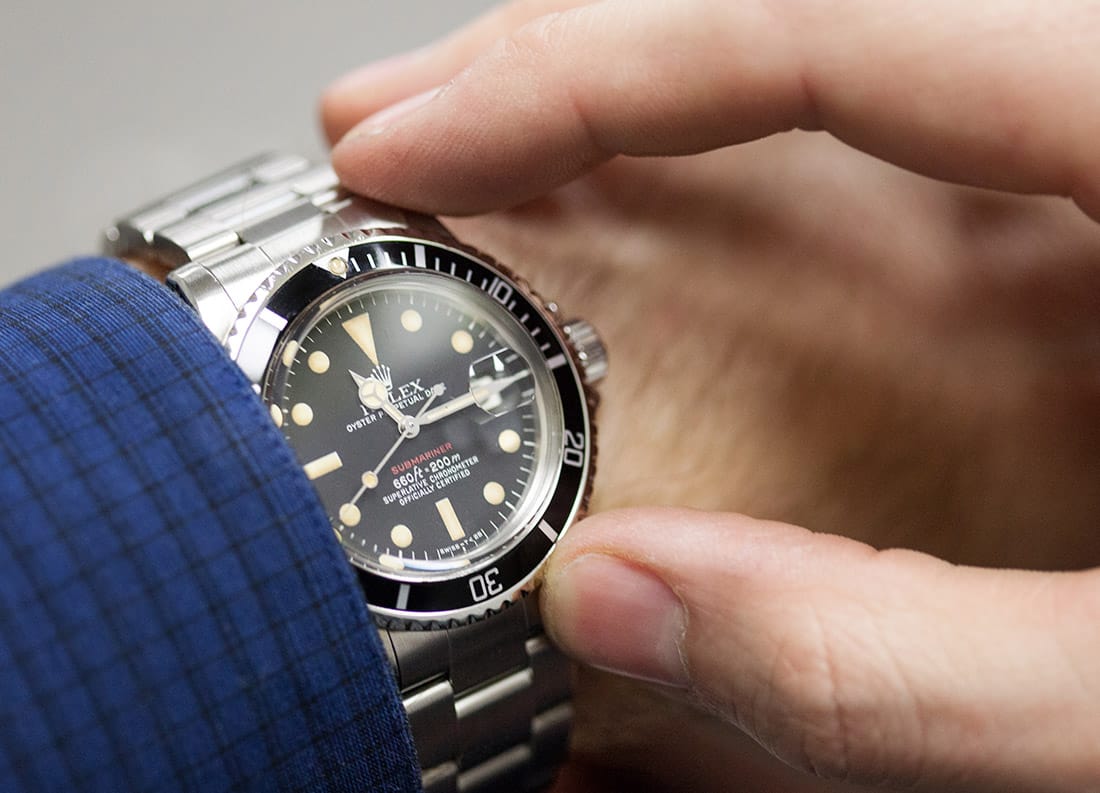
Hans Wilsdorf founded his company in London in 1905 and later moved it to Geneva. His two breakthroughs changed watchmaking forever. The Oyster case of 1926 was the first truly waterproof watch case, and the Perpetual rotor of 1931 introduced the self-winding system that nearly every automatic watch still uses in some form. In 2026, Rolex marked the 100th anniversary of the Oyster case, a reminder of just how long the brand has led on durability.
Rolex watches built its reputation on proof rather than promises. Its watches went to the summit of Everest, to the bottom of the Mariana Trench, and onto the wrists of racing drivers, divers, and pilots. The brand holds around 500 patents and controls almost every step of production, from smelting its own gold to developing proprietary materials like the Cerachrom ceramic bezel and the Parachrom hairspring. Ownership by the Hans Wilsdorf Foundation keeps Rolex independent, which allows it to refine its designs slowly and deliberately rather than chase trends.
Is JLC Higher End Than Rolex?
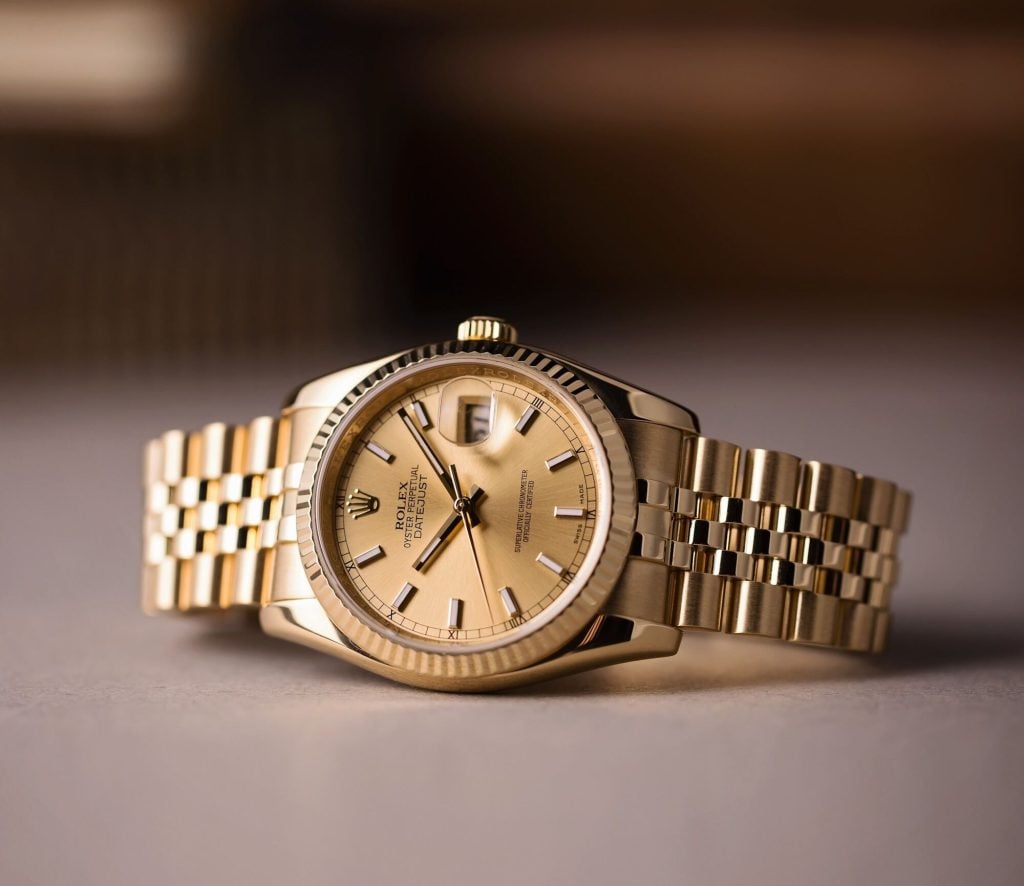
In traditional watchmaking terms, yes, Jaeger-LeCoultre is generally considered the higher end brand. JLC belongs to haute horlogerie, the top tier of Swiss watchmaking that includes the very brands its movements once powered. Rolex, for all its fame, is usually classified a step below that tier, as a luxury brand built on precision manufacturing at scale rather than hand craftsmanship.
That said, prestige depends on who you ask. To the general public, nothing beats Rolex. It is the most recognized luxury watch brand in the world, and for many people it is the only luxury watch brand they can name. A Rolex Datejust or Submariner communicates success instantly, in any room, in any country. A Reverso does not, and that is exactly why some collectors love it.
Among enthusiasts, the picture flips. In online watch communities, JLC is routinely described as the more serious watchmaker, the brand you graduate to once you have learned what goes into a watch movement. Experts tend to agree that JLC offers finishing and mechanical depth that Rolex does not attempt at its price points. So the honest answer is that JLC ranks higher in horological prestige, while Rolex ranks higher in recognition and market power. Which one matters more is up to you.
Watchmaking and Movements: Artistry vs Precision
Both brands build their own movements from the ground up, but they chase very different goals. JLC engineers for complexity and beauty. Rolex engineers for accuracy and dependability. Understanding that difference is the key to understanding this entire comparison.
JLC’s Strength: In-House Calibers and High Complications

Jaeger-LeCoultre is one of the few manufactures that can build almost anything. Its catalog of more than 1,300 calibers spans everything from ultra thin dress movements to some of the most ambitious complications in the industry, including:
- The Gyrotourbillon, a multi-axis tourbillon that rotates in several planes at once
- The Duomètre, which uses two separate power sources for timekeeping and complications
- Minute repeaters, perpetual calendars, and celestial displays throughout the Reverso and Master lines
- The Hybris Mechanica series, home to some of the most complicated wristwatches ever produced
Every JLC movement passes the brand’s 1000 Hours Control program, roughly six weeks of testing on the fully cased watch across temperature, position, and shock conditions. Many of its calibers also feature the hand finishing that collectors prize, visible through open casebacks. In 2026, the brand added a new certification for its Master Control Chronometer line that tests finished watches against altitude, shocks, positions, and temperature on top of independent chronometer certification.
Rolex’s Strength: Precision, Robustness, and Consistency
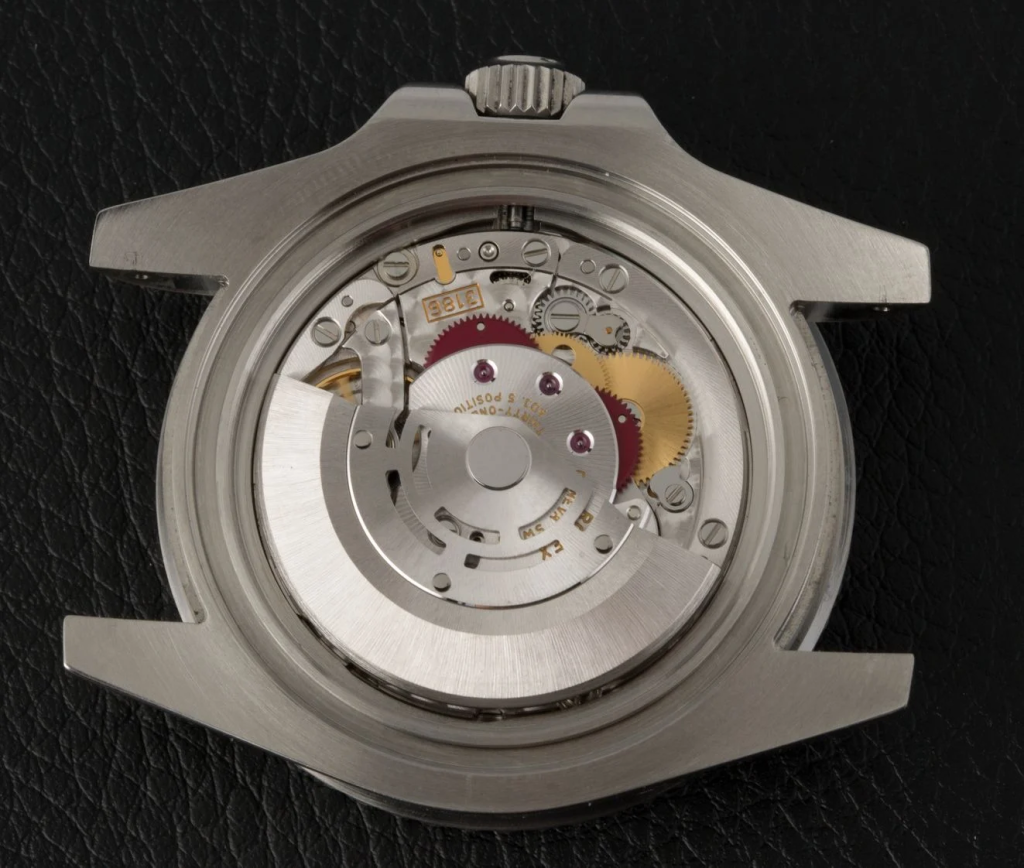
Rolex takes the opposite approach. Its movements are not decorated to haute horlogerie standards, and the brand rarely builds exotic complications. Instead, every Rolex earns the Superlative Chronometer title, which guarantees accuracy within -2/+2 seconds per day after casing. That standard is more than twice as strict as the industry’s independent chronometer benchmark, and Rolex applies it to every single watch it makes, more than a million per year.
The engineering choices back that up. The Parachrom hairspring resists magnetism and shocks. The Chronergy escapement improves efficiency, helping modern calibers like the 3235 run for about 70 hours on a full wind. Cases are milled from Oystersteel, a corrosion resistant alloy most brands reserve for special uses. The result is a movement philosophy built around one idea: a Rolex should perform the same on day one and on day 10,000, with minimal fuss in between. For complications and artistry, JLC wins. For set-it-and-forget-it precision, Rolex is the benchmark.
Build Quality, Durability, and Everyday Wearability

On pure craftsmanship, the two brands are closer than the internet sometimes suggests. JLC matches or exceeds a Rolex movement finishing and case refinement, and enthusiasts who have owned both often say the quality gap is a myth. Where they separate is intent. Rolex builds watches to be worn hard. The Oyster case, screw-down crown, ceramic bezels, and solid bracelets are designed for swimming, travel, and daily knocks. A Rolex Submariner is rated to 300 meters and can shrug off a decade of constant wear before it needs attention.
JLC’s catalog leans dressier. The JLC Reverso and Master lines are elegant, thinner, and generally happier under a shirt cuff than on a hiking trail. The Polaris line is the sporty exception, offering 100 to 200 meters of water resistance depending on the model, and JLC’s 2026 Master Control releases pushed further into sport-adjacent territory with integrated bracelets. Even so, if your watch needs to survive the gym, the ocean, and the office in the same week, Rolex is the safer tool. If your watch spends most of its life in refined settings, JLC’s craftsmanship will reward a closer look every time you check the time.
- Choose Rolex if you want one watch that can handle anything your week throws at it.
- Choose JLC if you value refinement and finishing over ruggedness, or plan to rotate watches by occasion.
Rolex vs JLC Price Comparison
Retail pricing is where this matchup gets interesting, because the two brands cost about the same at entry level while offering very different things for the money. The figures below are approximate US retail prices as of 2026 for popular stainless steel configurations. Exact pricing varies by dial, bracelet, and region, so treat these as reference points.
| Model | Brand | Approximate Retail Price |
| Oyster Perpetual 41 | Rolex | $7,050 |
| Datejust 41 (steel) | Rolex | $8,950 |
| Submariner Date | Rolex | $11,350 |
| GMT-Master II (steel) | Rolex | $11,800 |
| Cosmograph Daytona (steel) | Rolex | $16,900 |
| Reverso Classic (steel, manual wind) | Jaeger-LeCoultre | $5,900 |
| Reverso Tribute Monoface Small Seconds | Jaeger-LeCoultre | $9,600 |
| Polaris Date | Jaeger-LeCoultre | $10,400 |
| Master Ultra Thin Date | Jaeger-LeCoultre | $10,500 |
| Master Control Chronograph Calendar | Jaeger-LeCoultre | $17,500 |
On paper, the brands overlap almost perfectly. In practice, they behave nothing alike. A JLC Master Control Chronograph Calendar gives you a chronograph, a complete calendar, and haute horlogerie finishing for less than many steel Rolex sports models trade for on the secondary market. Dollar for dollar at retail, JLC delivers more mechanical content.
The catch is availability. Popular stainless steel Rolex models like the Submariner, GMT-Master II, and Daytona carry long waitlists at authorized dealers, and many trade above retail on the open market. JLC watches, by contrast, are usually available at or sometimes below retail. You can walk into a boutique and leave with a Reverso the same day. Whether easy availability is a feature or a warning sign depends entirely on how you look at the next section.
Resale Value: Rolex Wins, but Context Matters
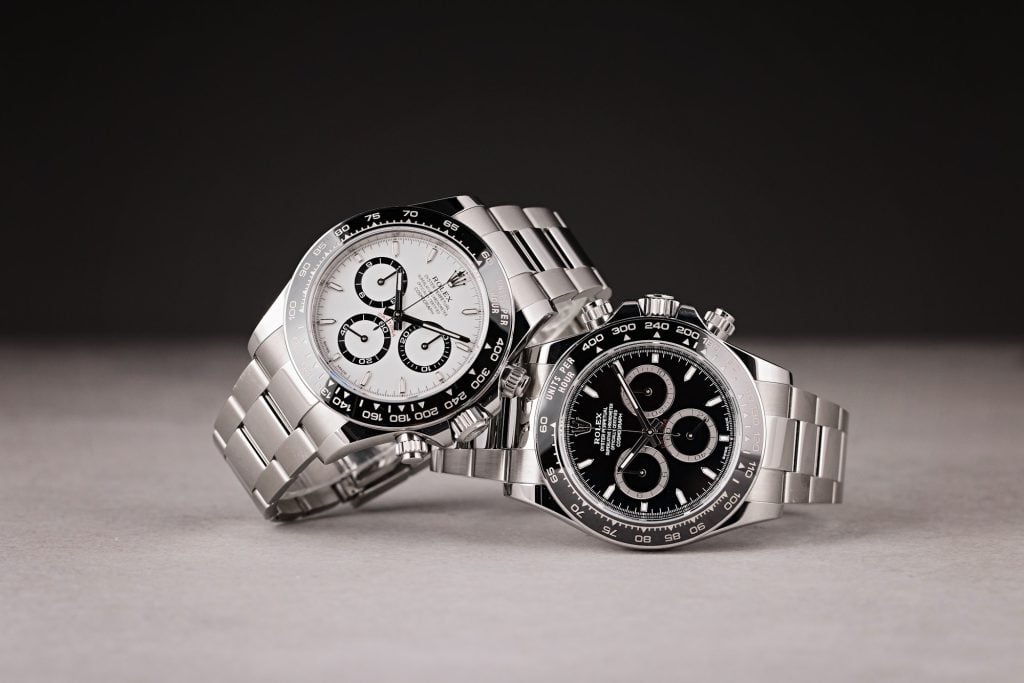
Rolex is the clear winner on resale value, and it is not close. Rolex holds its value better than any other watch brand, and its steel sports models routinely sell at or above their original retail price on the pre-owned market. A Submariner or Rolex Daytona is about as close to a liquid asset as a watch can get. Jaeger-LeCoultre watches, on the other hand, typically lose 30 to 50 percent of their retail value once they hit the secondary market.
Several factors drive the gap. Rolex production, while large, still trails global demand for its most popular models. The brand’s universal recognition means there is always a buyer, anywhere in the world. JLC makes exceptional watches, but its audience is narrower, and dress watches simply do not command the frenzy that steel sports watches do. If protecting your money matters, Rolex is the responsible choice.
There is a flip side worth knowing, though. That same depreciation makes pre-owned JLC one of the best values in high end watchmaking. A Reverso or JLC Master that retailed near $10,000 can often be found pre-owned for a fraction of that, which means you get haute horlogerie finishing at a mid-tier price. Just remember the golden rule either way: buy a watch because you love it, not as an investment. Even Rolex values move with the market, as the past few years have shown.
Head to Head: Popular Rolex and JLC Models Compared
Brand comparisons only get you so far. Most buyers end up choosing between two specific watches, so here are the three matchups that come up most often, covering sports, everyday, and dress categories.
Rolex Submariner vs JLC Polaris

The Submariner is the most famous dive watch ever made, with 300 meters of water resistance, a ceramic bezel, and a design that has defined the category since 1953. The Jaeger LeCoultre Polaris, inspired by JLC’s 1968 Memovox Polaris diver, is the sportier face of the manufacture, with a gradient dial, an inner rotating bezel on some models, and a slimmer, dressier profile.
| Spec | Rolex Submariner Date | JLC Polaris Date |
| Case size | 41mm steel | 42mm steel |
| Water resistance | 300m | 200m |
| Power reserve | About 70 hours | About 70 hours |
| Approximate retail | $11,000 | $11,500 |
The Submariner is the better pure tool watch and the far better value holder. The Polaris is the choice for someone who wants a sports watch with more personality and does not want to see their watch on three other wrists at dinner. Online communities regularly debate this exact matchup, and the consensus usually lands the same way: the Submariner is the safer buy, the Polaris is the more distinctive one.
Rolex Datejust vs JLC Master Control

The Datejust has been the default one-watch answer since 1945. It works with a suit, a t-shirt, and everything between, and the current 41mm version runs the same caliber 3235 found in the Submariner. It is also one of the easier Rolex models to buy at retail, and it holds value well without the waitlist drama of the sports models.
The Master Control Date is JLC’s answer to the everyday watch, a clean 40mm design with a 1000 Hours Control tested movement and finishing the Datejust does not try to match. It costs about the same at retail, depreciates more, and flies under the radar. If you want the watch everyone recognizes and a piece that behaves like money in the bank, take the Datejust. If you want the better finished movement and a quieter kind of quality, take the Master Control.
Rolex 1908 vs JLC Reverso
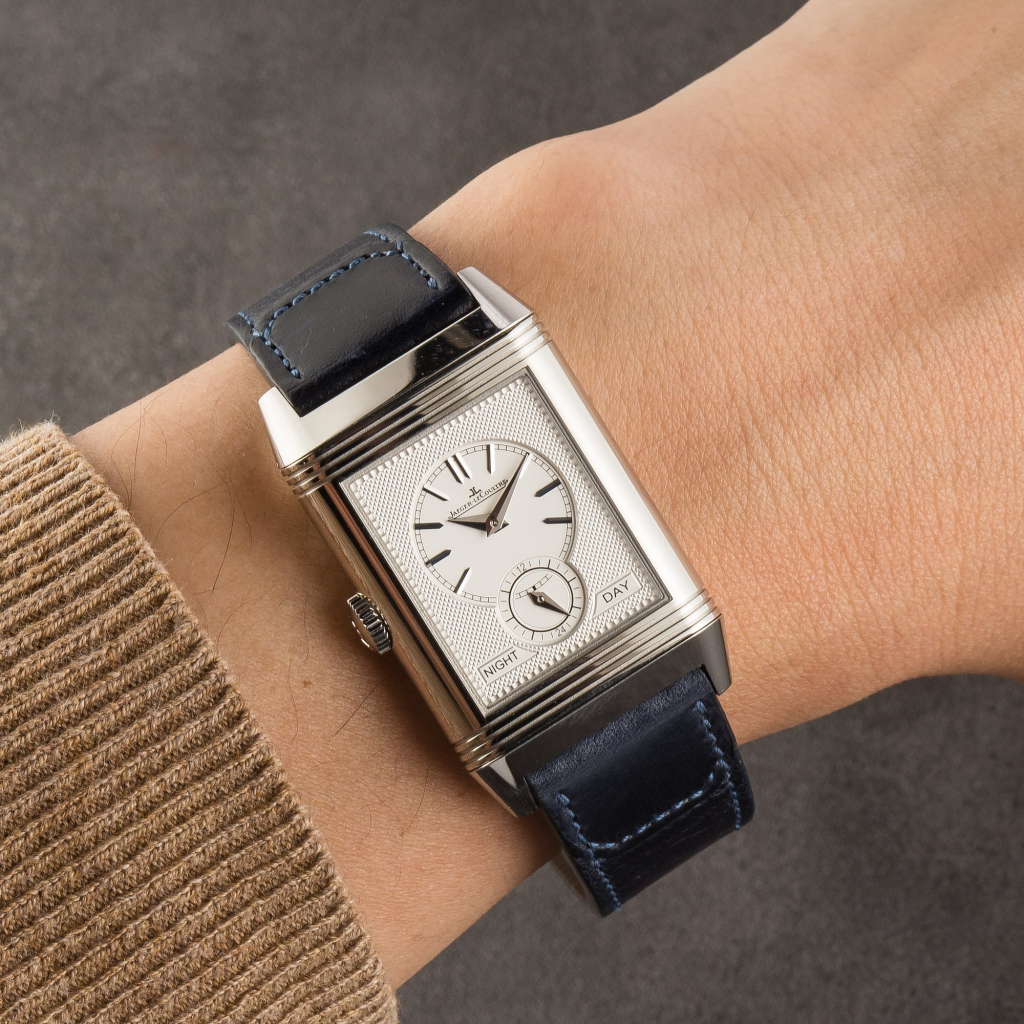
This is the dress watch showdown. The Rolex 1908 is the brand’s modern dress line, a slim gold watch with a display caseback showing a decorated movement, priced above $23,000 in yellow or Everose gold. It is elegant and beautifully made, but it is also a young collection competing in a category Rolex left alone for decades.
The Reverso has owned this territory since 1931. Its Art Deco reversible case is one of the most recognizable designs in watchmaking, it starts around $8,000 in steel, and it scales all the way up to minute repeaters and enamel art pieces. Experts who have compared the two head to head tend to favor the Reverso on heritage and design significance, even while praising the 1908’s execution. For a dress watch, this is the rare matchup where JLC is the obvious pick for most buyers.
Which Should You Buy? Rolex or JLC by Buyer Type

There is no universal winner here, only the right brand for your priorities. This breakdown should make the decision simple.
Choose Rolex if you:
- Want instant recognition and a watch everyone understands
- Need a rugged daily wearer for travel, sports, and everything else
- Care about resale value and want your money protected
- Prefer sports and tool watches like divers, GMTs, and chronographs
- Want a first luxury watch you will never have to second-guess
Choose Jaeger-LeCoultre if you:
- Value movement finishing, heritage, and craftsmanship over mainstream fame
- Want complications like calendars, dual time zones, or even tourbillons at relatively accessible prices
- Prefer dress watches, or want a design like the Reverso that collectors respect on sight
- Like the idea of buying at retail without a waitlist, or hunting exceptional value on the pre-owned market
- Already own a sports watch and want something with a different character
Plenty of collectors end up with both, and for good reason. A Submariner and a Reverso cover more ground together than almost any other two-watch combination in luxury watchmaking.
Rolex or Jaeger-LeCoultre: Two Different Kinds of Excellence

The Rolex vs Jaeger-LeCoultre debate has no single winner because the two brands are not playing the same game. Rolex perfected the idea of a precise, durable, universally desired watch and built the strongest brand in the industry around it. Jaeger-LeCoultre preserved the older tradition of the complete manufacture, where invention and hand craftsmanship matter more than volume or fame. One is engineering at its most refined. The other is watchmaking at its most complete. Your decision comes down to whether recognition and resale strength matter more to you than horological depth and individuality.
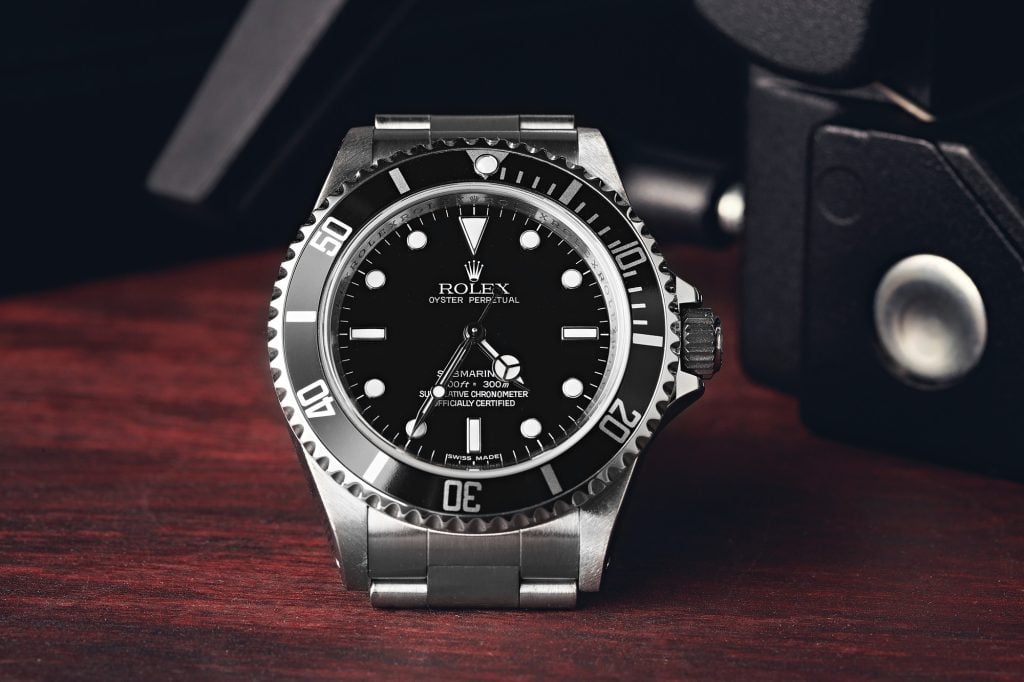
The best advice is the simplest: try both on. Put a Submariner on one wrist and a Polaris on the other, or a Datejust next to a Reverso, and pay attention to which one you keep looking at. If you are leaning toward Rolex, the pre-owned market is often the smartest way in, with immediate availability on models that carry years-long waitlists at retail. And if the answer changes as your collection grows, that is not a problem. That is the hobby working exactly as intended.