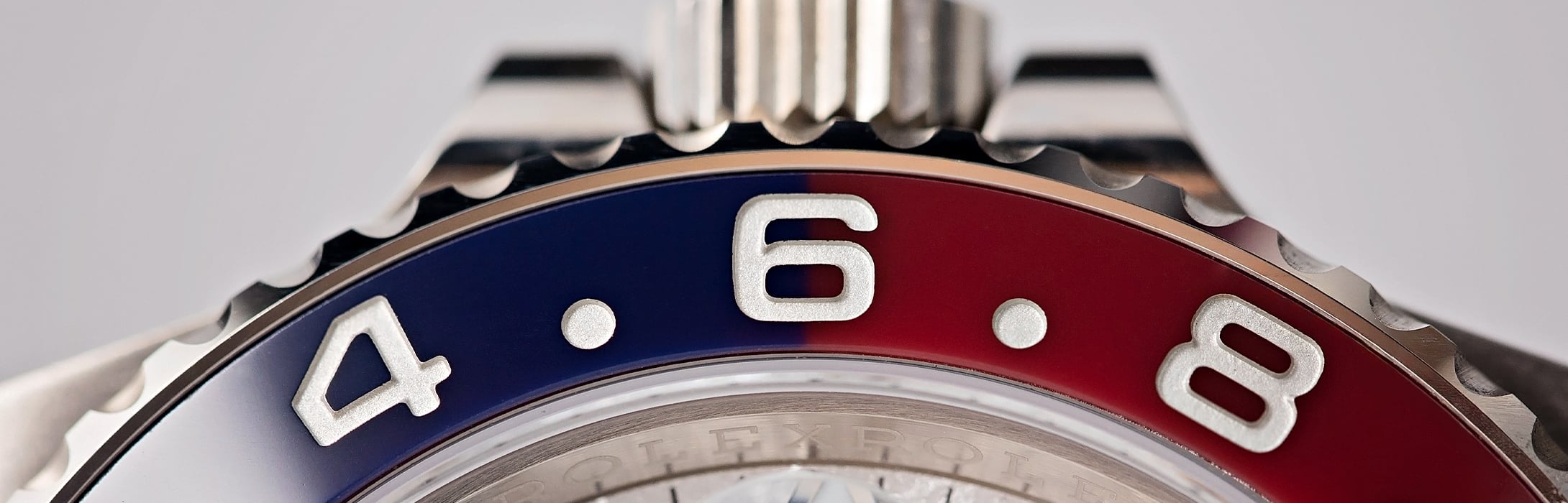

The bezel of a watch is the ring that surrounds the crystal, which is the clear cover protecting the dial. Its most basic job is structural: the bezel holds the crystal securely against the case. But on many timepieces, especially luxury watches, the bezel goes far beyond that. Depending on its design, it can track elapsed time for a diver, monitor a second time zone for a traveler, or calculate speed for a racing enthusiast.
Key Takeaways:
- Protection: A well-built bezel shields the watch face from impacts and scratches, adding real durability to the design.
- Functionality: Scales like Diver, GMT, and Tachymeter turn a watch into a specialized tool for timing, navigation, and calculation.
- Materials: Modern bezels feature advanced materials such as ceramic, sapphire, and precious metals for both toughness and visual appeal.
- Fixed vs. Rotating: A bezel can be stationary for a clean look, or it can rotate (one direction or both) to assist with timekeeping tasks.
Whether you are looking at a rugged dive watch or a refined dress piece, understanding the bezel is one of the best ways to get more out of your timepiece. In this guide, we break down every major bezel type, explain how each one works, and show why the bezel is such a defining feature of fine watchmaking.
Anatomy of a Watch Bezel

The bezel sits on top of the watch case, forming a visible ring around the outer edge of the crystal. It is one of the first things you notice on a watch because it frames the entire dial. In most designs, the bezel is a separate component attached to the case middle, and its primary structural role is to press the crystal into place and keep it sealed. This is especially important on tool watches built for water resistance, where a tight seal between the bezel, crystal, and gasket is essential for keeping moisture out.
While the standard bezel sits on the outside of the case, some watches use what is known as an internal bezel. This type is located beneath the crystal and is adjusted using a secondary crown, usually positioned at 10 o’clock on the case. Internal bezels give a watch a cleaner profile and reduce the overall case diameter, but they sacrifice the tactile convenience of a traditional external bezel. Whether internal or external, every bezel serves the same foundational purpose: securing and protecting the crystal while defining the overall look of the watch.
Fixed vs. Rotating Bezels: What’s the Difference?
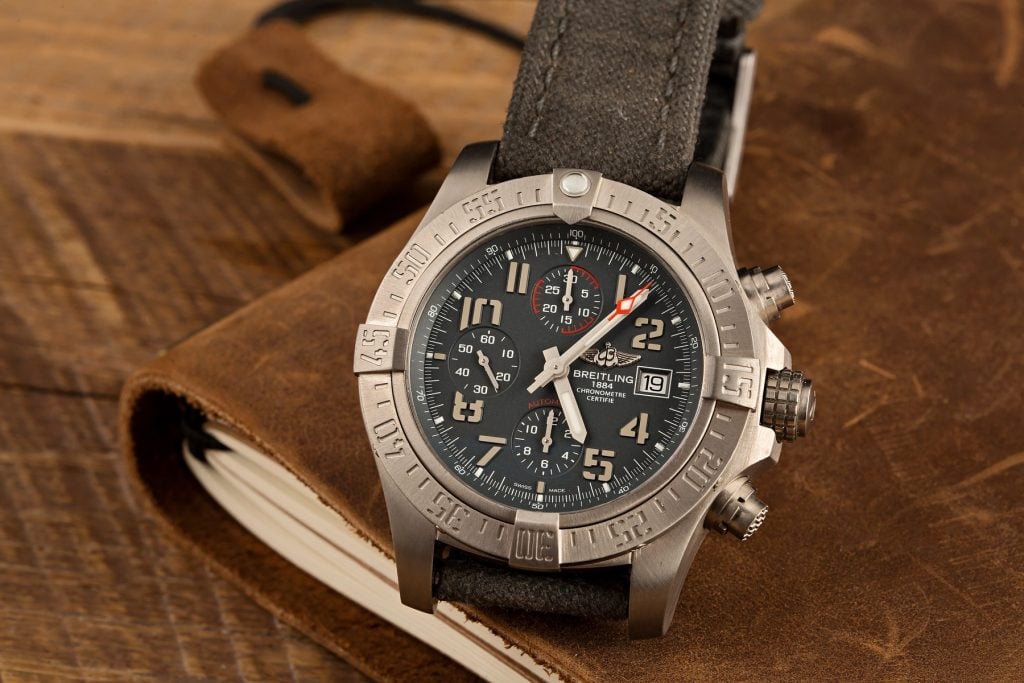
One of the most important distinctions in watch design is whether the bezel is fixed or rotating. A fixed bezel is permanently set in position and does not move. Its role is primarily aesthetic or protective, and you will find it on dress watches, chronographs with tachymeter scales printed on the bezel ring, and many everyday timepieces. A rotating bezel, on the other hand, is a functional tool. It can be turned by the wearer to align markers with the minute hand, making it possible to track elapsed time or reference a second time zone at a glance.
Rotating bezels come in two varieties. A unidirectional bezel turns in only one direction, typically counterclockwise, and is the standard on dive watches. This design is a safety feature: if the bezel is bumped during a dive, it can only move in a direction that shortens the displayed time, never making the diver think they have more air than they do. A bidirectional bezel rotates freely in both directions and is common on GMT and pilot watches, where the wearer needs to quickly set a reference point without a directional restriction. The table below highlights the key differences between fixed and rotating bezels.
| Feature | Fixed Bezel | Rotating Bezel |
| Primary Purpose | Aesthetic appeal and crystal protection | Active timing, navigation, or calculation |
| Movement | Stationary; does not rotate | 60 or 120 click positions per full rotation |
| Direction | N/A | Unidirectional (divers) or bidirectional (GMT/pilot) |
| Common Examples | Dress watches, chronographs with printed scales | Dive watches, GMT watches, pilot watches |
The Most Common Types of Watch Bezels and How to Use Them
Watch bezels come in a wide range of styles, each built with a specific purpose in mind. Some are designed for the ocean, others for the cockpit, and a few for the doctor’s office. Below, we cover the most common types of watch bezels you are likely to encounter, along with practical instructions on how to use each one.
The Diver’s Bezel (Elapsed Time)
The diver’s bezel is one of the most recognizable features in watchmaking. It is marked with a 60-minute scale, usually starting with a prominent triangle or luminous pip at the 12 o’clock position, and its single job is to track elapsed time underwater. You will find it on iconic models like the Rolex Submariner, the Rolex Sea-Dweller, and the OMEGA Seamaster. The bezel rotates in only one direction, counterclockwise. This unidirectional design is a deliberate safety mechanism. If the bezel gets knocked during a dive, it will only rotate in the direction that shows more time has passed, never less. That means a diver will surface early rather than risk staying too long.
Using a diver’s bezel is straightforward. Here is how to time a task:
- Before you begin, rotate the bezel so that the triangle marker (or luminous pip) at 12 o’clock aligns with the current position of the minute hand.
- Start your task or dive. As time passes, the minute hand will move away from the triangle marker.
- To check how much time has elapsed, simply read the number on the bezel that the minute hand is now pointing to. That number tells you, in minutes, how long your task has been running.
This simple system has saved lives for decades and remains the standard timing method on every serious dive watch on the market today.
The GMT Bezel (Dual Time Zones)
A GMT bezel is built for travelers and professionals who need to keep track of more than one time zone at once. The bezel is marked with a full 24-hour scale, which distinguishes it from the 12-hour format of a standard dial. It works in combination with an additional GMT hand, a fourth hand on the dial that completes one full rotation every 24 hours instead of 12. By setting the GMT hand and rotating the bezel, a wearer can read a second or even a third time zone directly from the watch face.
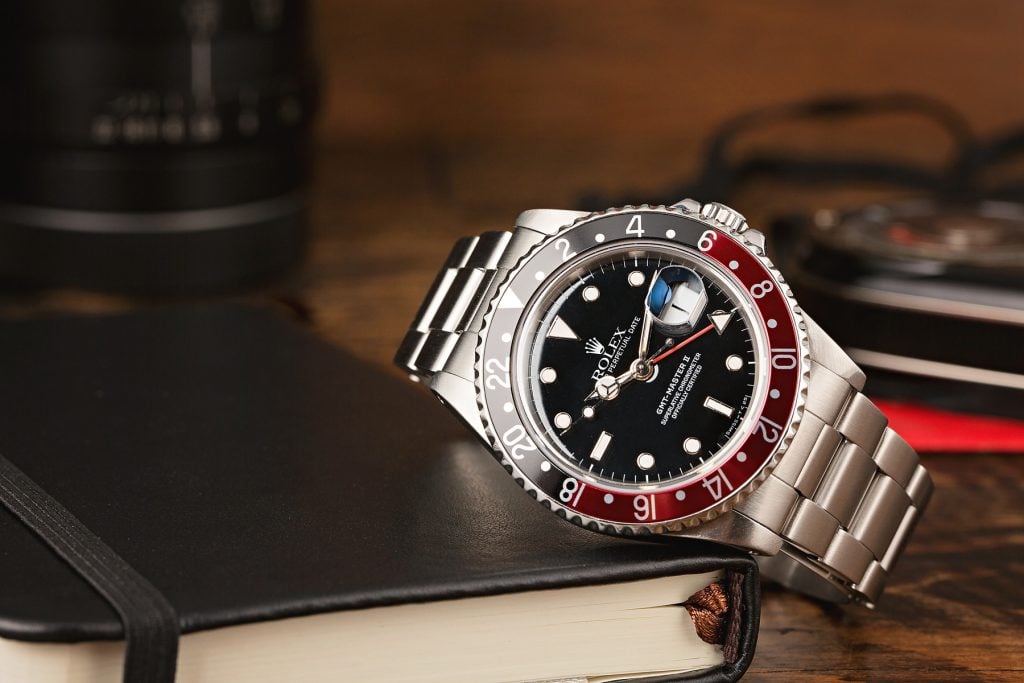
GMT bezels are often instantly recognizable thanks to their two-tone color schemes. The most famous is the so-called “Pepsi” bezel, which splits into blue and red halves to represent day and night hours on the 24-hour scale. The “Coke” bezel swaps the blue for black. These color divisions are not just for looks; they make it easy to see at a glance whether a time zone is in daytime or nighttime hours. Here is a quick method for tracking a second time zone with a GMT bezel:
- Set your local time on the main hour and minute hands as you normally would.
- Set the GMT (fourth) hand to the current time in your second time zone, using the 24-hour format.
- If you travel to a new time zone, adjust the main hour hand to local time. The GMT hand will continue to display your home time zone, and the 24-hour bezel scale will let you read it easily.
The Tachymeter Bezel (Measuring Speed)
The tachymeter is most commonly found on chronograph watches, and it is used to measure speed based on travel time. Unlike a diver’s or GMT bezel, the tachymeter is almost always fixed in place; the calculations are done using the chronograph’s start and stop function, not by rotating the bezel itself. The scale is printed or engraved around the outer edge and reads from about 500 down to 60, representing units per hour.
The math behind it is simple. Start the chronograph when an object passes a known marker, such as a mile post. Stop it when the object reaches the next marker one mile later. The point where the chronograph seconds hand meets the tachymeter scale tells you the speed in miles per hour. For example, if it takes 30 seconds to cover one mile, the seconds hand will land on 120 on the tachymeter scale, meaning the object is traveling at 120 miles per hour. This scale became famous on legendary racing chronographs like the Rolex Daytona and the OMEGA Speedmaster, where drivers and engineers used it trackside.
Specialized Scales: Pulsometer, Telemeter, and Slide Rule
Beyond the major bezel types, there are a handful of specialized scales designed for very specific professional tasks. These are less common on modern production watches, but they are important to the history of tool watches and remain popular among collectors.
- Pulsometer: Often called the “doctor’s watch,” a pulsometer scale lets a medical professional measure a patient’s heart rate. The wearer starts the chronograph, counts a set number of heartbeats (usually 15 or 30 as indicated on the scale), and then stops the chronograph. The seconds hand will point to the patient’s heart rate in beats per minute. It was one of the earliest practical complications on a wristwatch.
- Telemeter: A telemeter scale measures distance based on the speed of sound. The classic use case is determining how far away a lightning strike is. Start the chronograph when you see the flash, stop it when you hear the thunder, and the telemeter scale reads the distance in miles or kilometers. This same principle was used by military officers to estimate the distance of artillery fire.
- Slide Rule: Found on pilot watches like the Breitling Navitimer, the slide rule bezel is a rotating outer ring paired with a fixed inner ring. Together, they form a circular slide rule capable of performing multiplication, division, fuel consumption calculations, and unit conversions. It is the most complex bezel type and was an essential tool for pilots before the era of digital flight computers.
Materials and Aesthetics: From Tool to Jewelry

The material of a bezel affects more than just durability. It shapes the entire character of the watch, from how it catches light to how it ages over the years. As watchmaking has evolved, so have the materials used for bezels, and today you can find everything from hard-wearing ceramics to hand-set diamonds on a single brand’s lineup. Below is a look at the most popular bezel materials and what makes each one stand out.
- Ceramic (Cerachrom): Ceramic bezels, like the Cerachrom inserts used by Rolex, are virtually scratch-proof and resistant to UV fading. The color is built into the material rather than applied on top, which means it will not chip or lose its vibrancy over time. Ceramic has become the standard on modern dive watches and GMT models for its combination of toughness and polished appearance. For a deeper comparison, our guide on ceramic vs. steel bezels covers the pros and cons of each material in detail.
- Aluminum: Aluminum bezels were the industry standard for decades before ceramic took over. They are lighter and have a classic matte look, but they are prone to scratching and a phenomenon known as “ghosting,” where the colors gradually fade with sun exposure. Collectors often prize faded aluminum bezels because the aging process gives each watch a unique patina that cannot be replicated.
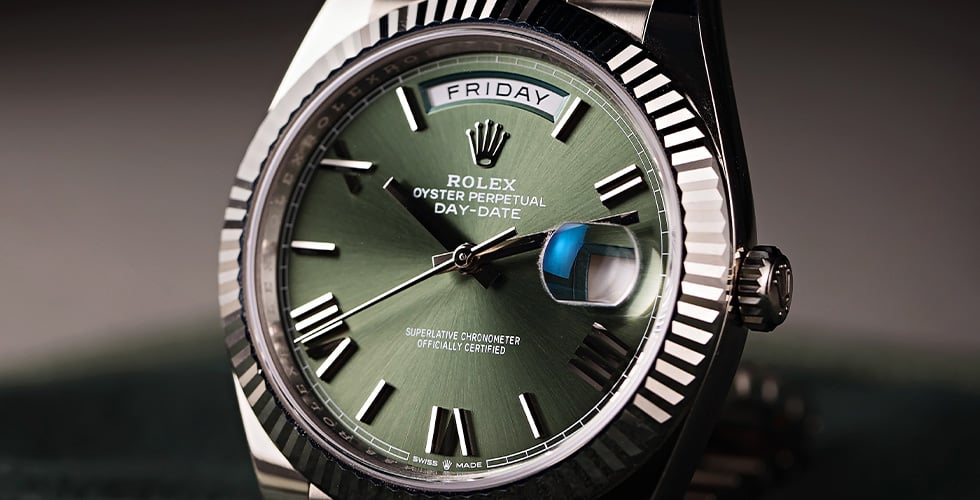
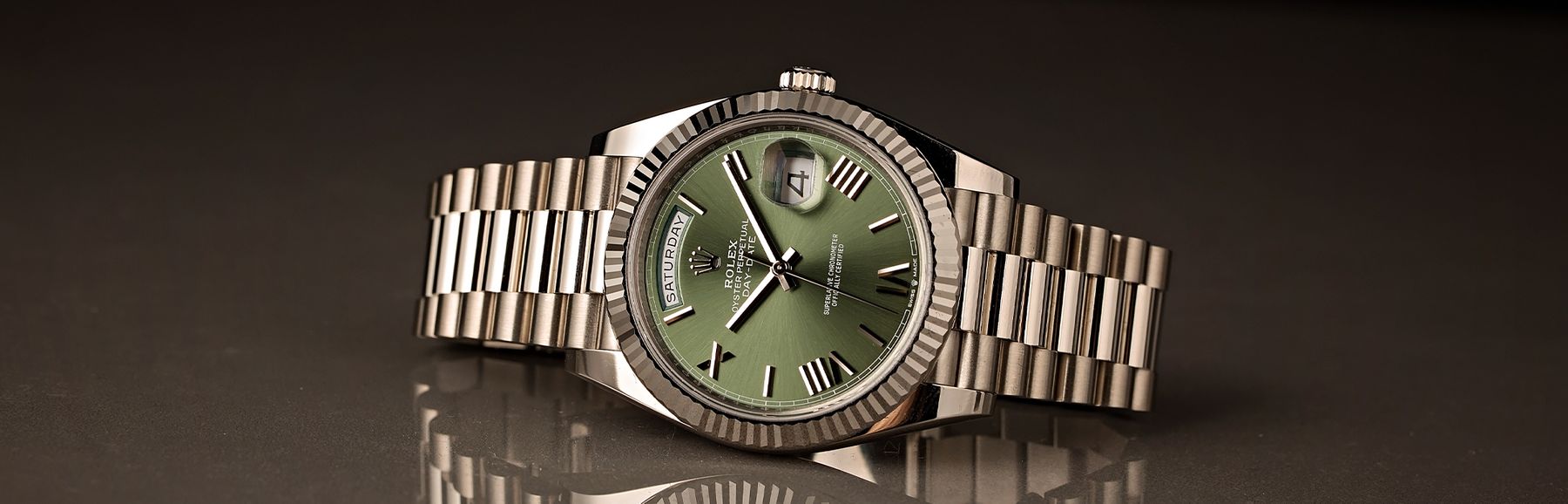
- Precious Metals: Gold and platinum bezels place a watch firmly in the luxury category. The fluted gold bezel on a Rolex Datejust, for example, is one of the most recognized design elements in all of watchmaking. Engine-turned patterns and polished finishes add texture and light play that set these bezels apart from their steel and ceramic counterparts.
- Diamond-Set: At the top end of the spectrum, diamond-set bezels are the ultimate expression of watch-as-jewelry. Gems are individually set into the bezel ring, often by hand, and the result is a timepiece that is as much about personal style as it is about telling time.
Choosing the Right Bezel for Your Luxury Watch Lifestyle
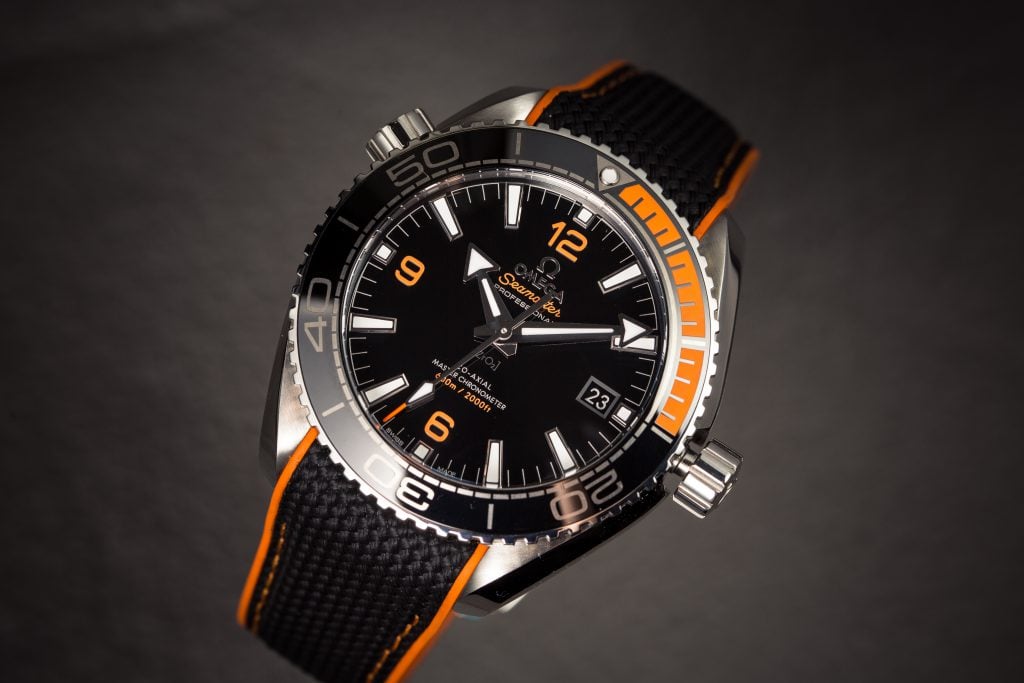
The bezel does more than protect your watch or perform calculations. It defines the personality of the timepiece on your wrist. A polished, fluted bezel in gold signals formal elegance and pairs naturally with a suit or evening wear. A ceramic diver’s bezel in matte black suggests adventure, durability, and a connection to the professional heritage of underwater exploration. A GMT bezel with bold color accents falls somewhere in between, equally at home in a boardroom as it is at the airport.
At Bob’s Watches, we have spent decades handling the world’s most iconic timepieces, from the tool watch utility of the Submariner to the timeless elegance of the Datejust and the extreme depth ratings of the Deepsea. Understanding the nuances of bezel design ensures that when you invest in a watch, you are not just buying a timekeeping instrument. You are choosing a tool that fits your life, your style, and the way you move through the world.